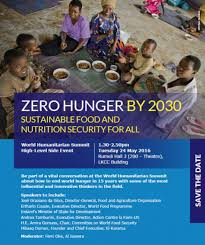
Comfort foods have a way of making us feel warm, satisfied, and nostalgic, especially when they remind us of home. In Nigeria, these foods are not only rich in flavour but also carry cultural significance, often tied to family gatherings and special occasions. Beyond their comforting nature, many Nigerian dishes pack a nutritional punch that supports overall health. Here are the top five Nigerian comfort foods and their nutritional value.
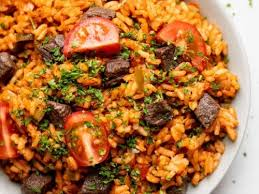
- Jollof Rice
The King of Nigerian Parties
Jollof rice is a classic Nigerian dish loved across the nation. Made with rice, tomatoes, onions, peppers, and spices, it is a flavorful one-pot meal often accompanied by fried plantains, chicken, or fish.
Nutritional Value:
Carbohydrates: A good source of energy from rice.
Vitamins and Antioxidants: Tomatoes and peppers provide vitamin C and lycopene, a powerful antioxidant.
Protein: When paired with chicken or fish, Jollof rice becomes a well-balanced meal.
2. Egusi Soup
A Nutritious Soup Packed with Flavor
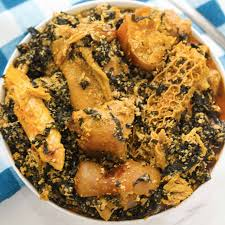
Egusi soup is made with ground melon seeds, vegetables (like ugwu or spinach), and assorted meats or fish. It’s usually enjoyed with pounded yam, eba, or fufu.
Nutritional Value:
Protein: Melon seeds are rich in plant-based protein, essential for muscle repair and growth.
Healthy Fats: Egusi contains unsaturated fats that are good for heart health.
Fiber and Iron: The vegetables in the soup contribute to good digestion and boost iron levels, supporting red blood cell production.
3. Akara (Bean Cakes)
A Crispy and Savory Breakfast Staple

Akara is made from blended beans, spices, and onions, then deep-fried to golden perfection.
It’s often served with pap or bread for breakfast.
Nutritional Value:
Protein and Fiber: Beans provide a good dose of protein and fiber, keeping you full and energized.
Complex Carbohydrates: When paired with pap (ogi), it provides a balanced breakfast that fuels the body.
Iron: Beans are also a good source of iron, supporting healthy blood function.
4. Moi Moi
Steamed Goodness in Every Bite

Moi Moi is a savoury steamed pudding made from blended beans, peppers, onions, and spices. Sometimes, it’s enriched with eggs, fish, or corned beef.
Nutritional Value:
Protein: Beans are an excellent source of protein, making Moi Moi a great option for vegetarians.
Fiber: The beans also provide dietary fiber, which supports digestion and lowers cholesterol levels.
Vitamins: Ingredients like peppers add vitamin C and other antioxidants.
5. Pepper Soup
Spicy and Comforting
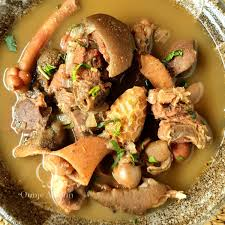
Nigerian pepper soup is a light, spicy broth made with a variety of proteins such as goat meat, catfish, or chicken. It’s infused with aromatic spices like uziza, calabash nutmeg, and crayfish.
Nutritional Value:
Immune Boosting: The spices in pepper soup, such as ginger and nutmeg, help boost immunity and improve digestion.
Lean Protein: The choice of meat or fish provides lean protein for muscle building and repair.
Low-Calorie Option: As a broth-based dish, it’s a light meal perfect for weight-conscious individuals.
My final Thoughts
Nigerian comfort foods are not just about taste—they offer significant nutritional benefits when prepared with fresh, wholesome ingredients. While some dishes may lean towards indulgence, moderation and balanced pairings ensure they contribute to a healthy diet. So, the next time you savor a plate of Jollof rice or a bowl of Egusi soup, know you’re enjoying a dish that nourishes both the body and soul.
Akinyemi Iledare is a Veterinarian/Public Health Consultant, Tech Enthusiast, Astute
Marketer, Food Enthusiast. I am not a foodie, but I can help eating good food and seeing
healthy people around me.