Categories
Uncategorized

Top 5 Nigerian Comfort Foods and Their Nutritional Value

Comfort foods have a way of making us feel warm, satisfied, and nostalgic, especially when they remind us of home. In Nigeria, these foods are not only rich in flavour but also carry cultural significance, often tied to family gatherings and special occasions. Beyond their comforting nature, many Nigerian dishes pack a nutritional punch that supports overall health. Here are the top five Nigerian comfort foods and their nutritional value.
  1. Jollof Rice
    The King of Nigerian Parties

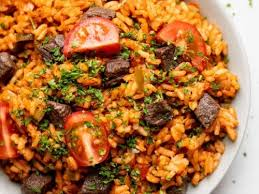
    Jollof rice is a classic Nigerian dish loved across the nation. Made with rice, tomatoes, onions, peppers, and spices, it is a flavorful one-pot meal often accompanied by fried plantains, chicken, or fish.
    Nutritional Value:
     Carbohydrates: A good source of energy from rice.
     Vitamins and Antioxidants: Tomatoes and peppers provide vitamin C and lycopene, a powerful antioxidant.
     Protein: When paired with chicken or fish, Jollof rice becomes a well-balanced meal.

2. Egusi Soup
A Nutritious Soup Packed with Flavor
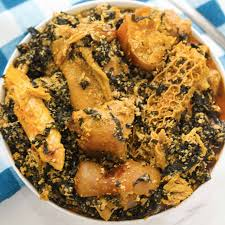
Egusi soup is made with ground melon seeds, vegetables (like ugwu or spinach), and assorted meats or fish. It’s usually enjoyed with pounded yam, eba, or fufu.
Nutritional Value:
 Protein: Melon seeds are rich in plant-based protein, essential for muscle repair and growth.
 Healthy Fats: Egusi contains unsaturated fats that are good for heart health.

 Fiber and Iron: The vegetables in the soup contribute to good digestion and boost iron levels, supporting red blood cell production.

3. Akara (Bean Cakes)
A Crispy and Savory Breakfast Staple
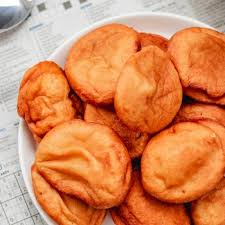
Akara is made from blended beans, spices, and onions, then deep-fried to golden perfection.
It’s often served with pap or bread for breakfast.
Nutritional Value:
 Protein and Fiber: Beans provide a good dose of protein and fiber, keeping you full and energized.
 Complex Carbohydrates: When paired with pap (ogi), it provides a balanced breakfast that fuels the body.
 Iron: Beans are also a good source of iron, supporting healthy blood function.

4. Moi Moi
Steamed Goodness in Every Bite


Moi Moi is a savoury steamed pudding made from blended beans, peppers, onions, and spices. Sometimes, it’s enriched with eggs, fish, or corned beef.
Nutritional Value:
 Protein: Beans are an excellent source of protein, making Moi Moi a great option for vegetarians.
 Fiber: The beans also provide dietary fiber, which supports digestion and lowers cholesterol levels.
 Vitamins: Ingredients like peppers add vitamin C and other antioxidants.

5. Pepper Soup
Spicy and Comforting
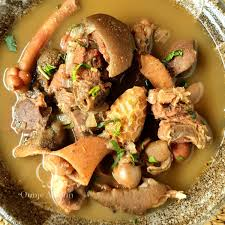

Nigerian pepper soup is a light, spicy broth made with a variety of proteins such as goat meat, catfish, or chicken. It’s infused with aromatic spices like uziza, calabash nutmeg, and crayfish.
Nutritional Value:
 Immune Boosting: The spices in pepper soup, such as ginger and nutmeg, help boost immunity and improve digestion.
 Lean Protein: The choice of meat or fish provides lean protein for muscle building and repair.
 Low-Calorie Option: As a broth-based dish, it’s a light meal perfect for weight-conscious individuals.

My final Thoughts
Nigerian comfort foods are not just about taste—they offer significant nutritional benefits when prepared with fresh, wholesome ingredients. While some dishes may lean towards indulgence, moderation and balanced pairings ensure they contribute to a healthy diet. So, the next time you savor a plate of Jollof rice or a bowl of Egusi soup, know you’re enjoying a dish that nourishes both the body and soul.

Akinyemi Iledare is a Veterinarian/Public Health Consultant, Tech Enthusiast, Astute
Marketer, Food Enthusiast. I am not a foodie, but I can help eating good food and seeing
healthy people around me.

Categories
Uncategorized

Surprising!!! Amidst Poverty and Soaring Food Prices, Food Waste Reaches Alarming Levels

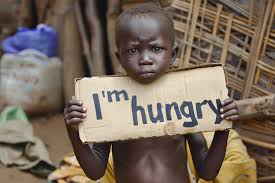
In a nation where millions grapple with poverty and escalating food prices, it seems paradoxical that food waste remains a significant issue. Yet, Nigeria faces a dual challenge: widespread hunger coexisting with substantial food wastage.

Staggering Food Waste Statistics
According to the United Nations Environment Program’s 2021 Food Waste Index Report, Nigeria discards approximately 37.9 million tonnes of food annually, equating to about 189 kilograms per person each year. ( Ripples Nigeria ). This figure positions Nigeria among the highest in Africa concerning per capita food wastage.
Escalating Food Prices and Inflation
The National Bureau of Statistics reported that Nigeria’s inflation rate rose to 33.88% in
October 2024, up from 32.7% in September, primarily driven by surging food prices ( The Cable ). Staple foods such as rice, maize, and bread have seen significant price increases, exacerbating the cost-of-living crisis.
The Paradox of Hunger Amidst Waste

Despite the high levels of food waste, Nigeria is experiencing one of its most severe hunger
crises. Projections indicate that over 33 million people will face food insecurity by next year,
a significant increase from the 24.8 million expected by the end of this year ( Reuters ). This
juxtaposition highlights a critical inefficiency in the nation’s food distribution and consumption
patterns.
Contributing Factors to Food Waste
Several factors contribute to Nigeria’s food waste dilemma:
1. Post-Harvest Losses: Approximately 42% of fruits and vegetables are lost before reaching consumers, primarily due to inadequate storage and transportation infrastructure ( KashGain ).
2. Consumer Behavior: Cultural practices and a lack of awareness about food preservation lead to significant household food waste.
3. Supply Chain Inefficiencies: Poor logistics and market systems result in food spoilage during transit and at points of sale.
How Do we Address the Crisis?
To mitigate this paradoxical crisis, Nigeria must implement comprehensive strategies:

  1. Infrastructure Development: Investing in storage facilities and efficient transportation can reduce post-harvest losses.
  2. Public Awareness Campaigns: Educating consumers on food preservation and the implications of waste can foster more responsible consumption habits.
  3. Policy Reforms: Implementing policies that encourage food donation and redistribute surplus food to those in need can alleviate hunger and reduce waste.
  4. Technological Innovations: Adopting technologies for better inventory management and supply chain tracking can enhance efficiency and minimize losses.
    My Final Thought:
    Nigeria stands at a critical juncture where addressing food waste is not just an environmental
    or economic imperative but a moral one. By tackling the inefficiencies that lead to such paradoxical coexistence of hunger and waste, the nation can move towards a more sustainable and equitable food system.

Akinyemi Iledare is a Veterinarian/Public Health Consultant, Tech Enthusiast, Astute Marketer, Food Enthusiast. I am not a foodie, but I can help eating good food and seeing healthy people around me.
Categories
Uncategorized

Nigeria Indigenous Dairy (Milk) Products

Nigeria has about only couple of indigenous dairy products and they are only popular in the northern part of the country. This may be largely due to the fact that most cattle rearing in Nigeria are also done in the Northern part of the country.

First of all, let me explain what dairy products are, for those who don’t know. Dairy products, also called milk products or lacticinia are a type of food produced from or containing the milk of mammals, primarily cattle. They are water buffaloes, goats, sheep, camels, and humans.

Popular indigenous dairy products in Nigeria include Fura Da Nono and Wara. They are

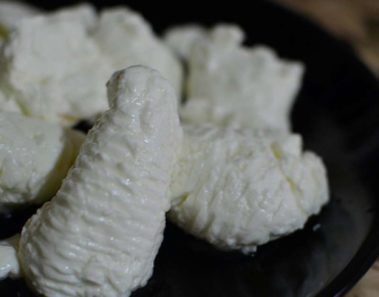
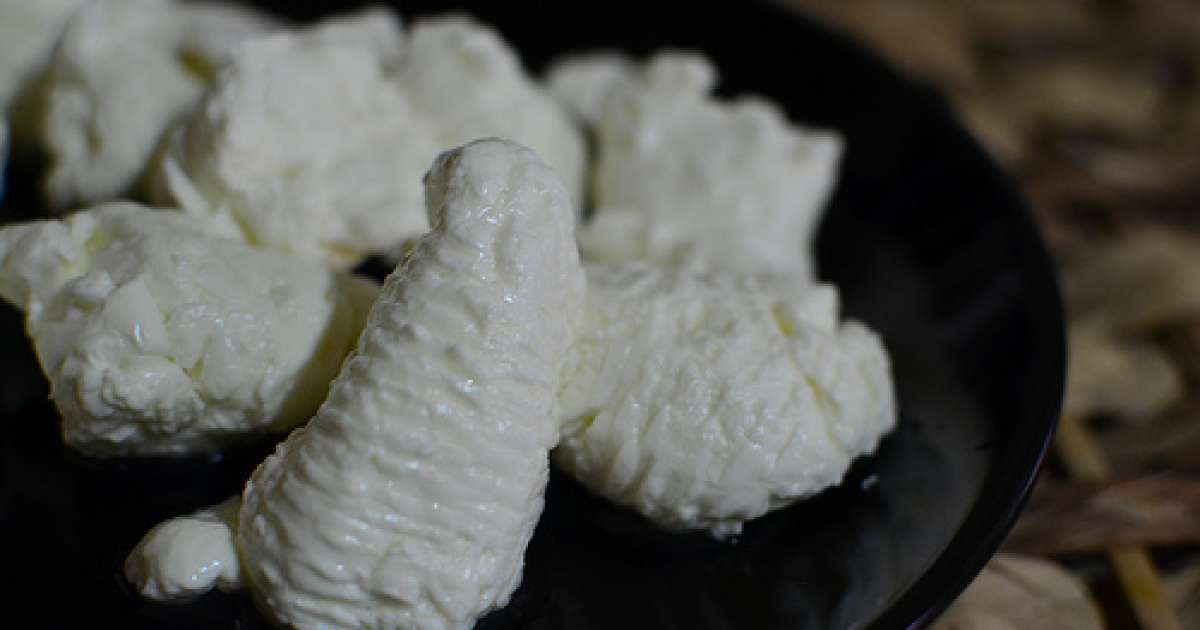
Wara (Cheese Curd)

The Fulanis of Northern Nigeria are traditionally cattle rearers and they have access to fresh milk from Zebu Bos indicus cattle. Wara cheese making is thought to have started in this region and as a result of the nomadic lifestyle of the Fulanis has spread to other parts of Northern Nigeria, Kwara, Oyo, Ogun, Ondo states; and the Benin republic.

Wara

Fura da Nunu

Fura da Nunu translates to Millet and Milk in English. Fura is the millet and Nono is locally fermented milk with a thick consistency.

Nono also called nunu by some tribes in Nigeria contains good quantities of amino acids, calcium, phosphorous and vitamins A, C, E and the B complex according to research.

The consumption of this milk product has been limited to Fulani/Hausa indigenous over the years since most non indigenous see their preparation as apparently unhygienic. Now with the establishment of modern processors/retailers of fura da nunu (e.g. Habib Yoghurt), it is now gaining wider acceptance.

This article is only meant to introduce you to the dairy products and not to show you how to prepare them. There are several websites detailing the recipe online.

A quick search on Google will show you some of them. Soon, I will talk about the health and nutritional benefits of these indigenous Nigerian dairy products.

These are the two indigenous dairy products that I know. If you know any other one that is not very common, please share with me in the comment section and I will add it to the list.