Categories
Food & Nutrition

Common Foods High In Calcium: Benefits and Side Effects

Both the deficiency and too much intake of Calcium into the body have severe health effects — both negative — and we have to eat just the amount needed by our body. Don’t get this wrong, we need Calcium to help form and maintain healthy teeth and bones. It is one of the most important minerals needed by the human body.

This article will highlight the important functions of Calcium in the body, the benefits of calcium and side effects of “too low” and “too high” intake of Calcium. This will be outlined when we discuss the Recommended Dietary Allowance (RDA) for every class of people — children, adults, pregnant women, lactating mothers, etc.

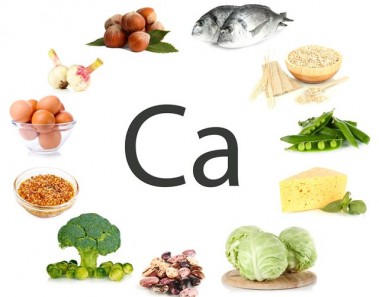
foods high in calcium

We will also talk about “what is too low” and “what is too high”, as well as common foods high in calcium.

Benefits of Calcium to the body you should know;

Calcium helps our body with:

  • Building strong bones and teeth
  • Clotting blood
  • Sending and receiving nerve signals
  • Squeezing and relaxing muscles
  • Releasing hormones and other chemicals
  • Keeping a normal heartbeat

So, what are the conditions that could arise from not consuming enough calcium and those that could arise from consuming too much calcium;

Side effects of Calcium in the body

The body needs enough supply of Calcium to perform the functions listed earlier in this article. Increased intake of calcium for a short period of time does not normally cause side effects but this could change over a prolonged intake.

Consuming higher amounts of calcium over a long period of time raises the risk of kidney stones in some people. There is also a side effect when you don’t take enough. People who consume an inadequate amount of Calcium over a long period of time can develop osteoporosis (thinning of bone tissue and loss of bone density over time).

Recommended Daily Allowance of Calcium

The Recommended Dietary Allowance (RDA) for this mineral called Calcium is telling us how much Calcium most people should get each day. The amount of calcium we need hugely depends on some factors such as age and gender. Other factors, such as pregnancy, illnesses, bone mass, are also very important in determining the RDA.

Infants (Adequate Intake)

0 – 6 months: 200 milligrams per day (mg/day)

7 – 12 months: 260 mg/day

Children and Adolescents

1 – 3 years: 700 mg/day

4 – 8 years: 1,000 mg/day

9 – 18 years: 1,300 mg/day

Adults

19 – 50 years: 1,000 mg/day

50 – 70 years: Men – 1,000 mg/day; Women – 1,200 mg/day

Over 71 years – 1,200 mg/day

Pregnant and Breast-feeding women

14 – 18 years: 1,300 mg/day

19 – 50 years: 1,000 mg/day

Up to 2,500 – 3,000 mg a day of calcium from dietary sources and supplements appears to be safe for children and adolescents, and 2,000 – 2,500 mg a day appears to be safe for adults.

The following list can help you determine how much calcium you are getting from food:

Calcium-rich Foods List

Some foods high in calcium include:

1. Cheese

2. Yogurt

3. Milk

4. Sardines

5. Dark leafy greens vegetables

6. Fortified cereals such as Corn Flakes (they can have a lot of calcium in one serving, make sure to check the “Ingredients Listing” and “Nutritional Compass” on the food pack)

7. Soybeans

8. Fortified soymilk (check the label)

For those that are lactose intolerant, you only need to go for dairy food options that do not contain lactose e.g yoghurt, in which the lactose had been converted to lactic acid.

Sardines and dark leafy vegetables are also easy to get and not costly. Soybeans and fortified soy milk made from the beans can also be very good sources of calcium. Not all soy milk is rich in calcium, so check the label to see if they are fortified.

Categories
Food & Nutrition

5 Foods People In The 40+ Ages Should Be Eating More

In one of my recent articles, I took the time to pen down why people who are 40 years and above should avoid the consumption of certain foods so that they can live a healthier life in the future. While this is ideal to spread around to families and friends, it remains incomplete if I do not disseminate information about foods that people in their 40s should consider consuming regularly.

The need for proper nutrition will help individuals within this age bracket look and feel their best. The consumption of a healthy diet definitely increases one’s life expectancy by reducing the risk for diabetes, high blood pressure, obesity among other diseases.

The importance of proper weight control is also critical for 40 years old and above since most diseases are associated with weight gain. It is also of note to consume these foods that will be highlighted below moderately and at recommended daily intake.

1. Fortified Skimmed Milk:

On the day of your 40th birthday, you are probably feeling as young as ever but the truth is things within your system are beginning to take a new shape and you must respond appropriately. Most people as young adults indulge in whole milk which are loaded with fats and these people continue unknowingly over the age of 40. It is impossible to exclude fat from any healthy diet combination but you must begin to reduce them from hidden sources.

Consume skimmed milk (Milk that fat had been removed from) as a way of reducing your daily fat intake.  I indicated “fortified” because, during the removal of fats, some essential nutrients must have been lost; so there is a need for those nutrients to included via fortification.

2. Fish, Yes, Fish!:

Well, this is not to say that you cannot consume meats again but fish should be your primary source of protein. The need to obtain omega 3 fatty acids for proper cell functioning at this age cannot be overemphasized. Scaly seas fish and crabs are found to be quite healthy. 

I do advise some of my patients who had crossed this age line to reduce deep fat fried foods. The strength of their bodies to process or digest foods had reduced. It is best to enjoy your fish without frying. Fresh fish pepper soup is acceptable.

3. Calcium-Rich Foods:

Osteoporosis is a serious condition that begins to set in majorly at age 40. This is usually due to low bone density. A healthy bone can help against bone-related conditions. Foods rich in calcium include spinach, soybeans, dairy products like milk and yoghurt (be cautious about the dairy products). Including only calcium-rich foods might not solve the problem.

Getting enough vitamin D is very critical as the body needs vitamin D to absorb calcium for proper body function. Not getting enough of these leads to fragile bones which is usually worsened by weight gain causing arthritis. Supplementation is also available but does not result in self-help. Ensure you speak with a certified professional.

4. Fruits And Green Vegetables:

We can not overemphasize the need to include this category of foods into anyone’s diet. For those in their 40s, it is essential to say that not all fruits and vegetables will be appropriate to be included in their diet. At 40 years, a lot of people are unknowingly diabetic. Advising such an individual to consume pineapple which has a high glycemic index may be counterproductive.

People in this age should consume green vegetables, cucumber, garden eggs, carrots and other fruits and veggies with the known low glycemic indexes. It is advisable to speak with your doctor to know your health status and dietician to plan a menu for you. You might want to see tips on how to cook vegetables such as nutrients inside are not lost.

5. Garlic And Ginger:

For me, the combination of these natural food additives is critical for an improved immune system more than any other food for any age group. I remembered when my mum was battling with increased blood pressure, after a proper menu had been prepared for her, I was quick to inform her to include both garlic and ginger into her soups and stews.

Ginger and Garlic

In fact, she swallows some diced garlic at night as prescribed by me. Now, she is free from the situation. Subsequent tests revealed normal blood pressure. Asides this, these foods are both loaded with antibacterial compounds.

If you do have brothers, sisters, friends or even colleagues at work who are close to the age of 40 or 40 years and above, you will be doing them a whole lot if you share this article with them.

Indeed Life Begins at 40…….Stay Healthy.

RECOMMENDED READING: Animal Liver, Heart, Other Inner Meat Parts & Their Dangers