Categories
Food & Body

Top Four (4) Foods With High Hidden Amount Of Sodium

There is no better time to discuss about the excessive consumption of salt in our societies than now. Many Nutritionist and other health professionals have been campaigning against high sodium content in our foods but yet, quite a high number of people are still embracing this ugly unhealthy habit leaving them at the edge of developing disease conditions ranging from high blood pressure and stroke to osteoporosis.

RECOMMENDED: Side Effects of Consuming Too Much Salt

On the other hand some people already know it’s best to stay clear of high-salt foods like spring rolls ad french fries, however, it is also critical for you to pay more attention on less obvious foods that are loaded with sodium.

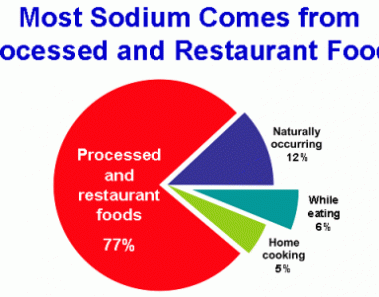
sodium_chart

Most Nigerians already consume more than the recommended daily intake of 2300mg per day based on added salt in our diets. So, you will be doing yourself grave harm by indulging in foods or snacks with high hidden amount of sodium. Let’s see some of the foods that made top of our list.

CANNED VEGETABLES:

Canned meat is usually seen as product with high sodium with serious attention not directed to canned veggies. Eating vegetable is definitely a healthy option but may manufacturers of canned vegetable have added higher amount of salt to help extend the shelf life of the product. The bottom line is to subscribe to eating fresh vegetable instead of canned ones.

BREAD:

Whole wheat bread is one food usually consumed particularly by health conscious people as it is high in fibre and provides lower calorie value. Having itemized this, it is important to check the labels of these bread brands to ascertain that the sodium level is less than 150mg per slice to avoid increasing your total daily sodium intake.

BREAKFAST CEREALS:

If you are a lover of the popular brand of breakfast cereals particularly the imported ones; then you stand a chance to have been funneling into your system high amount of sodium. I do agree that there is nothing better than a quick, easy to make breakfast but you must be careful with these hidden sodium amounts. With a common range of 150 to 300 mg of sodium per serving of some of these products, it will do you a lot of good to check the labels and ensure the sodium levels per serving is less than 150mg.

SPORT DRINKS:

A lot of my friends have turned sport drinks to soft drinks. They carelessly drink it even when they had not expended any serious energy like those who are in real sports.

Asides from the fact that these drinks contains high amount of sugar, they are also loaded with some sodium levels because the manufactures put into consideration the amount of sweat (loss of electrolyte too) loss during sporting activities and so created a drink that will replenish loss of electrolyte and fluid. My advise for you is that if you are thirty, please drink some water.

I do hope you find this helpful.

Categories
Food & Nutrition Food Safety

Reasons You Shouldn’t Chop Your Vegetables In The Market

In this era when the consumption of pastry foods and junks is on the rise, one or two servings of vegetables/week which remains the only source of vitamins and minerals for many has been made to lose most of its nutritional values, if not all. No wonder the immune system of many Nigerians continues to fail them at the slightest invasion of bacteria infections resulting in illnesses. 

chop vegetables

Aside from the fact that such single or double servings of vegetables/week are low, many housewives and cooks have only provided good looking vegetable soups to their families as against a more nutritious one. For me, I have come to realize that it is much more important to consume a less delicious food which is well loaded with nutrients than to funnel into my system a delicious meal with no or low nutrients. It is what actually prompted this article on how to maximize the nutrients in your vegetables.

Sliced or chopped leafy vegetable from market presents an avenue for a near-complete loss of nutrients even before preparation. As everyone would rinse or wash the chopped leaves once they are ready to cook, the broken cell walls of the leaves give way for loss of nutrients since the vegetable will be drained from the added water.

How To Know That You Should Not Chop Vegetables In The Market

A simple experience will surprise you. Buy both un-chopped and chopped leafy vegetables from the market. Rinse both vegetable types in the same quantity of water to clean. Pour the water drained out in both samples into different transparent glass cups.

You will see that the chopped leafy vegetable has darker drained water compared to the un-chopped one. A clear indication of a significant loss of phytochemicals and nutrients even before cooking.

A further experiment on the matter!

I would even ask you to take the experiment further buy buying vegetables in the market, ask the vendor to chop the for you and buy another fresh vegetable, leave uncapped and take home. When you get home, chop this vegetable and clean it with water.

Do the same for the one you chopped in the marker and do the clear glass-drained water experiment above. You will get a similar result as the one above, an indication of the loss of phytochemicals.

Have you ever wondered how clean the chopping board of these vegetable sellers are? That is completely left for you to judge. In most cases the chopping board is left outside over night for goats, insects and dogs to play with, only for them to resume the next evening, dust the board, maybe just clean with some water and start using for customers.

If vegetables are chopped with these kinds of boards, the sliced leafy vegetable becomes easily contaminated. No wonder many are faced with serious diarrhea after eating vegetable soups. Clearly, one cannot generalize in this matter but some of these vendors do it that way — and sometimes, it is hard to tell which is which.

The best option for you and your family is to buy these vegetable leaves un chopped, rinse them properly and have them chopped or sliced by yourself. Yes, you might not be as perfect in slicing the veggies as the market women but over time you can only get better. Remember, this is simply an action done for improved nutrition and you will definitely be better for it.

Categories
Food & Nutrition

5 Foods People In The 40+ Ages Should Be Eating More

In one of my recent articles, I took the time to pen down why people who are 40 years and above should avoid the consumption of certain foods so that they can live a healthier life in the future. While this is ideal to spread around to families and friends, it remains incomplete if I do not disseminate information about foods that people in their 40s should consider consuming regularly.

The need for proper nutrition will help individuals within this age bracket look and feel their best. The consumption of a healthy diet definitely increases one’s life expectancy by reducing the risk for diabetes, high blood pressure, obesity among other diseases.

The importance of proper weight control is also critical for 40 years old and above since most diseases are associated with weight gain. It is also of note to consume these foods that will be highlighted below moderately and at recommended daily intake.

1. Fortified Skimmed Milk:

On the day of your 40th birthday, you are probably feeling as young as ever but the truth is things within your system are beginning to take a new shape and you must respond appropriately. Most people as young adults indulge in whole milk which are loaded with fats and these people continue unknowingly over the age of 40. It is impossible to exclude fat from any healthy diet combination but you must begin to reduce them from hidden sources.

Consume skimmed milk (Milk that fat had been removed from) as a way of reducing your daily fat intake.  I indicated “fortified” because, during the removal of fats, some essential nutrients must have been lost; so there is a need for those nutrients to included via fortification.

2. Fish, Yes, Fish!:

Well, this is not to say that you cannot consume meats again but fish should be your primary source of protein. The need to obtain omega 3 fatty acids for proper cell functioning at this age cannot be overemphasized. Scaly seas fish and crabs are found to be quite healthy. 

I do advise some of my patients who had crossed this age line to reduce deep fat fried foods. The strength of their bodies to process or digest foods had reduced. It is best to enjoy your fish without frying. Fresh fish pepper soup is acceptable.

3. Calcium-Rich Foods:

Osteoporosis is a serious condition that begins to set in majorly at age 40. This is usually due to low bone density. A healthy bone can help against bone-related conditions. Foods rich in calcium include spinach, soybeans, dairy products like milk and yoghurt (be cautious about the dairy products). Including only calcium-rich foods might not solve the problem.

Getting enough vitamin D is very critical as the body needs vitamin D to absorb calcium for proper body function. Not getting enough of these leads to fragile bones which is usually worsened by weight gain causing arthritis. Supplementation is also available but does not result in self-help. Ensure you speak with a certified professional.

4. Fruits And Green Vegetables:

We can not overemphasize the need to include this category of foods into anyone’s diet. For those in their 40s, it is essential to say that not all fruits and vegetables will be appropriate to be included in their diet. At 40 years, a lot of people are unknowingly diabetic. Advising such an individual to consume pineapple which has a high glycemic index may be counterproductive.

People in this age should consume green vegetables, cucumber, garden eggs, carrots and other fruits and veggies with the known low glycemic indexes. It is advisable to speak with your doctor to know your health status and dietician to plan a menu for you. You might want to see tips on how to cook vegetables such as nutrients inside are not lost.

5. Garlic And Ginger:

For me, the combination of these natural food additives is critical for an improved immune system more than any other food for any age group. I remembered when my mum was battling with increased blood pressure, after a proper menu had been prepared for her, I was quick to inform her to include both garlic and ginger into her soups and stews.

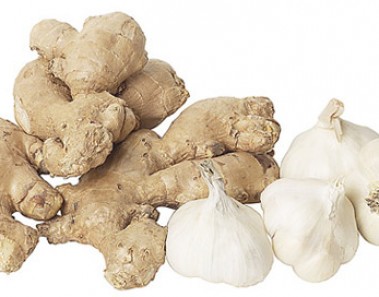
Ginger and Garlic

In fact, she swallows some diced garlic at night as prescribed by me. Now, she is free from the situation. Subsequent tests revealed normal blood pressure. Asides this, these foods are both loaded with antibacterial compounds.

If you do have brothers, sisters, friends or even colleagues at work who are close to the age of 40 or 40 years and above, you will be doing them a whole lot if you share this article with them.

Indeed Life Begins at 40…….Stay Healthy.

RECOMMENDED READING: Animal Liver, Heart, Other Inner Meat Parts & Their Dangers

Categories
Food & Nutrition

Nutritional Benefits Of Eating Ugwu (Pumpkin Leaf) You May Not Know

Whether Ugu or Ugwu, you can be certain we are talking about the same leaf that is particularly common among the Igbos in Nigeria. In fact, the Igbos are the only tribe who are seen to sell these leaves anywhere in Nigeria, whether in the north or south, yet it is used in one way or the other by all tribes in Nigeria. I sincerely do not know the reason behind this.

The leaf is a valuable commercial crop which is grown majorly in the West African region. The dark green leaf, no doubt has been a staple vegetable in the diets of many as it can be combined with all the solid meals such as wheat, eba, fufu and the rest. Unknown to many, pumpkin leaves are loaded with a lot of nutritional benefits which can be helpful in aligning our path to a healthy status.

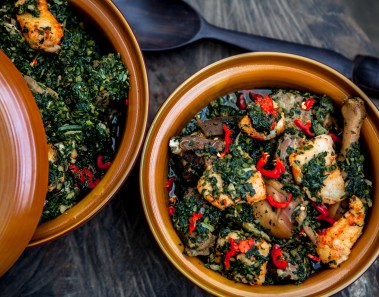
ugwu soup

The fluted pumpkin botanically known as Telfaira occidentalis has one advantage in that it can be enjoy through out the year unlike some other vegetables. However, you see the leaves flood the market more during rainy season.

Below are some of the nutritional and health benefits of including Ugu leaf into your meals.

1. UGWU HAS A HIGH FIBER CONTENT:

Are you constipated in a way, consuming Ugwu vegetable might be helpful as it contain high fibre. Each time I eat a meal contain Ugwu at night, it becomes easier to download feaces in the morning unlike previous days. I definitely recommend this for you.

2. UGWU LIKE MANY OTHER LEAFY VEGETABLES IS RICH IN IRON:

Are you a fan of blood tonic and supplement during period weakness, Ugwu is nutrient dense enough to get you back to life more than any of the aforementioned. The iron content in a well prepared servings of Ugwu leaf can do the magic you have been waiting for. 

Women, particularly during and after menstrual period are encouraged to consume serving portions of Ugwu leaves as it helps boost blood levels or volume. The leaf has been used to cure anaemia in community based nutritional interventions.

3. GOOD FOR WEIGHT MANAGEMENT:

The main idea about losing weight is to load your body with highly nutritious food yet contain a reasonably low amount of calorie. Ugwu is a low calorie vegetable and can help fire up your metabolism to trigger fat reduction in the body.

So when you want to eat Eba, Fufu or Amala, ensure you have only a small portion while adding plenty Ugwu soup. The fibre of the Ugwu will make you fuller, so you eat less than you would normally eat.

4. IMMUNE BOOSTER:

As a child, each time I fall sick and I was trying to recover, my mother waste no time in cooking Ugwu delicacy. In fact during that period, I could consume only the Ugwu vegetable soup as the main meal. After a little while, I begin to notice restoration.

The leaf is also a good source of vitamin E, Thiamin, Niacin, vitamin B6, Folate, Iron, Magnesium and phosphorus, vitamin A, vitamin C, riboflavin, potassium, Copper and Manganese.

The leaves also contain anti-oxidants, such as alpha-carotene and Beta–carotene which help to slow down ageing process. All these nutrients put together also improve your skin and hair quality. Now you can see the reasons the leaf will help boost your immunity.

I know some people may be interested in knowing more about foods that give you fresh, younger looking skin and those foods that improve your hair colour and quality. Click the respective links to see them.

5. REDUCTION OF BLOOD SUGAR: DIABETES CONTROL:

Due to the leaves hypoglycemic index and its nature of slowly releasing sugar into the blood, it presents a rare opportunity for diabetic patient to reduce their blood sugar.

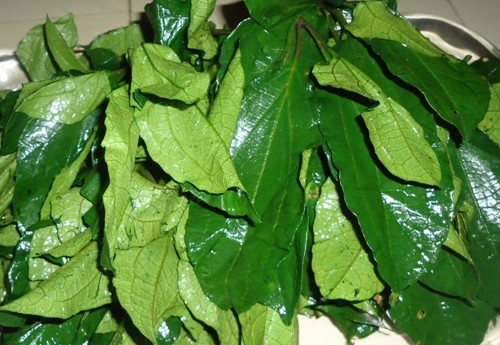
ugwu vegetable leaves

These are just a few of the benefits one can obtain from consuming Ugwu vegetable. The list is endless. As a parting shot, please learn how to cook your vegetable so you don’t lose all nutrients in it.

ALSO SEE :: How To Make A Healthy Juice From Ugwu Leaves

Categories
Food & Body

Foods That Suppress Appetite And Make You Less Hungry

Whether you are on a weight loss mission or you are fasting and want to resist the urge to eat by suppressing your appetite for food, you should know that there are some foods that you can add to your diet in order to achieve this. Some of these foods are foods that we see and eat often for their taste but they have other functions we may have not noticed; others, many people don’t like to eat because of their taste.

The objective of fasting (not for religious reasons) and weight-loss plan is to make you eat less and burn more calories than you consume, therefore, you cannot afford to eat large quantities of foods.

So what now happens when you get hungry?

When your body needs food, it produces a hormone called ghrelin that causes hunger — it signal hunger to the brain when it gets secreted. You start having some elevated level of appetite — this you can suppress by eating some of the foods listed in this article. 

Foods That Help To Curb Hunger & Appetite for Foods

When you add these foods to what you eat in the right manner, you won’t get hungry like you usually would.

1. One piece of Apple can do the magic

Of course you know the saying that “an apple a day keeps the doctor away”. This is very true and one of the ways it is true is that eating an apple before or after a meal helps keep you full faster and for a longer period.

eating apple
Photo: saidaonline.com

It has been reported that the pectin in a piece of apple can keep you full for 1-2 hours. So, why don’t you just eat apple before and after your food. It tastes great and even contributes to whitening of teeth amongst other benefits.

2. High-Water, High-Fiber Foods help curb hunger

These type of foods that are high in water and fibers give us the feeling of being full and prevent us from eating too much. Example of such foods is the vegetable family — they fill the stomach, and helps digestion. These foods, even when you eat large volumes of them, are usually low in caloric density. Therefore, they help you shed weight without feeling like you’re on a restrictive diet.

Often when we want to lose weight, what we do is to eat less foods. But what if you could cut calories, yet still eat plenty of food, and not be feel hungry? This is the dream of any dieter and these type of foods should be incorporated into your diet.

These vegetables, for example Lentils, Lima beans, Spinach, etc., will help you through your diet plan and not make you give up when it matters most. You are often full, less hungry and cutting on your calorie intake. These high fibre foods also help prevent constipation and relieve it in case we have it.

vegetables

Barbara Rolls, PhD, and some of her colleagues at Pennsylvania State University have done extensive research on the “volumetric” theory of eating more low-calorie, high-volume foods.

They have this to report; ”We have found in numerous studies that when you allow people to eat as much as they want of foods that are high in volume yet low in density (calories), they eat less at the meal or during the day.”

3. Lean Protein Helps To Reduce Hunger Too

If you are wondering about what lean protein is, here is a quick description; many proteins are high in saturated fats that contribute to cardiovascular disease, so it is better to consume lean proteins. These lean proteins are described as a 1-ounce serving that has 2 to 3 grams of fat.

There is evidence of the ability of lean protein from foods such as lean meat, fish, poultry (chicken, turkey, for example), soybeans, and eggs, to help with fullness and weight loss. The white meat from chicken and turkey are especially good sources of lean protein. Fish provides lean protein together with omega-3 fatty acids that lower cholesterol and inhibit inflammation.

Wayne Campbell, PhD, a professor of Nutrition at Purdue University said “You are most likely to feel fuller after eating protein than other nutrients, including fiber, and one of the theories behind why higher-protein diets work well with weight loss is because it helps you not feel hungry.”

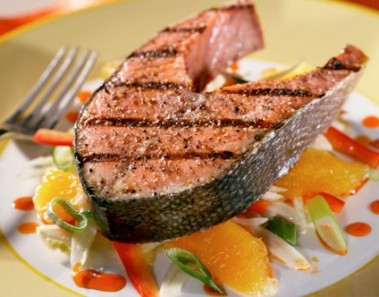
Oily fish

It may also interest you to know that even though you can add lean protein at any meal you want to take, research has shown that adding it to your breakfast may be better than other meals in the day. A research that was conducted on this theory revealed that when people eat foods like eggs that rich in protein for breakfast, they tend to eat less during the day compared o when they eat foods that are rich in carbohydrates.

With this knowledge in your head, you can actually start your weight loss diet by including these foods in your meal. If you are going to fast for religious or health reasons (fasting has a lot of health benefits), you can also ad these foods to those that you eat in the morning as they make you full without adding calories to your body. It is not surprising that breakfast is regarded as the most important meal of the day.

Categories
Food & Body

Foods That Will Help Improve Your Hair Colour & Quality

Gone are those days when women are particularly interested in the quality of their natural hairs, they know they can always use attachments, weavons, wigs and other hair-like materials that will make the outward appearance of their hair look great and attractive. Lesser number of women subscribe to our native hair styles and this trend had made women care less because hair fashion continues even without a healthy and good looking natural hair. Also, external treatment have been popular.

While I can not doubt the efficacy and importance of using relaxers, shampoos, gels, oils and the rest, the best way to keep your hair healthy is ‘inside out’. Just like the quality of the foods you consume affects your vision and skin appearance, so does foods affect your hair. They are all interlinked. This short post will be addressing three major categories of foods you should consider including in your diet on a long term basis to help improve your hair quality. You will be surprised at the result if you adhere to this religiously. Before sharing the top food lists, I want to discuss my personal story.

kim kardashian fine hair

For those who know me well, they are aware I have had a slightly brown coloured hair for a very long time. Recently, I got involved in the distribution and sales of Coconut oil. I was quick to include it into my diet without the thought of using it to improve my hair quality. Suddenly, after few months, I started receiving complements on the new looks of my hair, gradually becoming dark and shining. Clearly, it has improved. Then I was convinced that the composition of your diet can improve your hair quality

TOP THREE CATEGORIES OF FOODS THAT IMPROVES HAIR QUALITY

1. Foods High in Biotin:

Biotin is an essential nutrient that is needed for improved hair quality. A member of the vitamin B complex is needed for a number of enzymatic reactions which aids proper metabolism of protein. When people do not consume foods rich in biotin, there will be poor metabolism of body nutrients which contributes to undernourished hair follicles. This vitamins helps to promote the strength and texture of your hair. A diet rich in animal protein like eggs, liver and sea foods would supply adequate amount of biotin to your body.

Click to page 2 below to see the other groups of foods…

Categories
Food & Body

5 Foods That Help Fight & Reduce Belly Fat

In one of my previous articles in which I talked about the relationship between beer and pot belly, I promised to write an article listing foods that can help to reduce belly fat. I am here to fulfil that promise now. There are many reasons why you accumulate fats in the belly and I am going to discuss some while mentioning others in the process too.

You are definitely not being kind to your body if you can’t go a day without downing a bottle of carbonated drink. All these sugars ultimately get converted into fat in your body and depending on your sex, age and rate of metabolic activities, the fats might end up being stored in your tummy.

Eating late at night is also a bad habit that contributes to belly fat. Our body naturally breaks down the food we eat but this rate reduces when we go straight to bed after eating. We do not expend the energy we have, so the body does not try to break down the food to supply more energy. The best practice is to eat not later than 6pm in the evening and make sure we do not go to bed immediately after. When we go to bed on a full stomach, it also increases our risk of developing acid reflux and indigestion, since gravity is no longer able to pull everything in our belly straight down.

Belly Fat
Photo Credit: infomazza.com

If you deprive yourself of fats because you think it contributes to accumulation of fat in your body, you are wrong. There are very good and beneficial fats that help the body. The irony of it is that foods such as avocados, olive oil and seeds work well in eliminating belly fat for you.

Endeavour to get enough sleep everyday, adults should get about seven to nine hours of sleep each day. When we refuse to get enough sleep, the level of cortisol (stress hormone) in our body increases and causes the craving for sugary foods. We consume these sugary foods and add more calories to the body. Overeating, depriving our body of protein-rich foods and genetics also have their roles in how we process and store fat in the body.

Healthy eating and living in general will helps us reduce fats in our body but there are also foods that we can include in our diet to reduce belly fat. They help fight and reduce the fat in our tummy.

List of Five Foods That Help To Reduce Belly Fat

Navigate through the list of the foods by Clicking 1, 2, 3… below!

Categories
Food & Nutrition Food Processing

How To Maximise The Nutrients In Your Vegetables

It is no longer news that including two to three servings of vegetable into your daily meals is the way to follow as regards good nutrition. The need for this kick started when the pattern of people’s diet is being monitored and had been found to be void of vegetables which is a super detoxicant. In fact there had been some unhealthy trend recently noticed among others who include vegetables into their diets.

Most of them do not prepare these veggies appropriately such that the nutritive values inherent are not lost. While a few vegetables can be eaten in their raw state, others had to go through some certain food processing before they are ideally edible. It will interest you to note that a meal loaded with vegetables has been found to reduce the risk of debilitating diseases such as heart attacks, high blood pressure and some degenerative cancers due to its abundance in vitamins, minerals, fibre and phytochemicals. The benefits of a vegetable in diets cannot be over emphasized.

vegetables all

Learn How To Minimize Loss Of Nutrients In Vegetables

There are some vegetables that should be cooked in order to maximize their nutritional benefits while others are quite susceptible to heat especially those containing loads of Vitamin C and some other B Vitamins (Water Soluble Vitamins). If you can identify these vegetables, it will help you identify which you can eat raw and those to subject to low heat treatment.

The argument has been on for a while among nutritionist and food scientists about the best method to adopt. For example, the lycopene in tomatoes is more bioavailable when it is cooked than in its raw state. Also, the beta carotene in carrots becomes more released if it is cooked. While all the water soluble vitamins may have been diminished, other phytochemicals will be released. The best way to ensure retainment of nutrient is to slightly cook them to avoid complete loss of water soluble vitamin while bringing about the release of antioxidants and phytochemicals.

When you cook your vegetables ensure the water is used. For instance, it is better to cook your potatoes in porridge form while utilizing the water since some micro nutrients could have been leached into it. In fact a few others prefer cooking it with the peels after it must have been properly washed. The water is discarded but the peels keep most nutrients within.

For fruity vegetables, juicing them up could be a good idea but one must ensure minimal loss of fiber which is helpful in proper digestion. On the other hand, leafy vegetables should be blanched (placed into hot water 60°C for 45 seconds and scooped out) to enhance release of phytochemical. Mistake should not be made to overcook them as you will completely lose the nutritive values. You should also avoid chopping them before washing. More nutrients will be lost in the dirty water.

Quick Hints On Proper Vegetable Preparation

  • Avoid overcooking them; ensure they still possess their qualities like colour and a bit of crunchiness depending on the vegetable.
  • For most vegetables avoid peeling them if possible. Some micro nutrients are loaded in the peels.
  • When making a pot of vegetable, be certain to cut them all about the same size so they cook up in the same amount of time under low heat.
  • Learn to wash your vegetables immediately after return from market or grocery stores before they are chopped.
  • Blanching is a good method to heat-treat your vegetables in order to make them retain more nutritive values.
  • Cook only vegetables that will be enough for one time servings. If excess remains, keep in a refrigerator not for more than 36hours.

ALSO SEE: Why Don’t You Just Stop Eating Vegetables (Efo)?

Categories
Food Processing

Why Don’t You Just Stop Eating Vegetables?

Two of the most commonly eaten and cooked vegetables in Nigeria are Celosia argentea var. argentea or Lagos spinach (Efo Soko) and Amaranthus hybridus (Efo Tete). These vegetables are very rich in nutrients and they do a lot in our body.

efo riro
Photo: lohiscreations.com

For example, 100g edible portion of Celosia argentea contains; water 83.8g, energy 185KJ (44kcal), protein 4.7g, fat 0.7g, Carbohydrate 7.3g, fiber 1.8g, Ca 260mg, P 43mg, Fe 7.8mg. This vegetable also contains micronutrients and is especially rich in Iron, vitamin A and Vitamin C. It also contains phytic acid. These figures are telling us that this vegetable is very rich in important vitamins and minerals.

The benefits of eating vegetable with these nutrients

Calcium is essential for blood clotting and stabilizing blood pressure. It contributes to normal brain function and it is critical for communicating essential information among cells. Calcium is needed in our body for the release of chemicals that transmit a signal from a nerve cell to a target cell (e.g., when a nerve tells a muscle to move). Many people may not even know that calcium helps in reproduction/fertilization by assisting the movement of sperm into an egg to fertilize the egg.

I am not going to talk about what each and every one of these nutrients do in the body as that is beyond the scope of this topic. The benefits above are just those we derive from consumption of Calcium alone; and Calcium is just one of the nutrients available in vegetables.

These vegetables, Celosia (Efo Soko) and Amaranthus (Efo Tete) are very rich in minerals and some vitamins and we eat them a lot. The unfortunate part is that we don’t get these nutrients by the time we eat them – that is the case in this part of the world. Why is that?

Why we lose all nutrients in vegetables

Vegetables such as Celosia and Amaranthus are not to be overcooked but that is exactly how we cook them. Some of the nutrients listed above here are heat-labile (lost when subjected to high temperature), so overcooking them means they are gone before they even get to your table.

Boiling vegetables in water at high temperatures is not a good practice, nutrients are lost in the cooking water and since you are not going to drink the water, the nutrients are wasted.

How Should Vegetable Be Prepared?

If you want to cook Celosia and Amaranthus, the best practice is to boil your water and pour on your vegetable just to blanch it. This will kill many microorganisms on the vegetable, inactivate enzymes that could cause spoilage and soften it to make it edible.

If you want to add your vegetables to pepper, tomatoes, and onions, make the stew separately and add your blanched vegetable to the stew. Mix them together and you would notice it even tastes better than the one you overcook.

This is the best way to enjoy the taste and nutrients in your vegetables. If you cannot prepare it this way…why don’t you just stop eating vegetables totally? Am I angry? Yes, I hate when people overcook vegetables.

ALSO SEE: How To Maximize The Nutrients In Your Vegetables