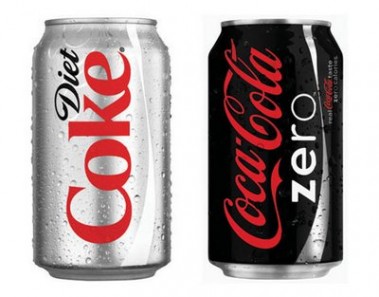
The recent bad labelling of foods high in sugar have made a few food production companies to go back to the drawing board. Dietitians, Nutritionists, Medical doctors and other health professionals have done a lot to inform the general public on the dangers of funneling high calorie processed foods particularly those loaded with sugars into their body systems without caution. While the campaign against sugary foods could have been said to be gaining ground in some quarters, food manufacturers have come up with catchy names on the packages of products.
These names include “No sugar, Zero sugar and Sugar free“. My questions are — Are these products actually not containing sugars? How come do they taste so sweet just like sugar loaded products? How healthy are they when regularly consumed? Well friends, you would learn the answers to these questions as you read further.

Do Sugar-Free Products Contain Any Sugar At All
Clearly, many obese and overweight individuals have thrown to the thrash bins all sugar-containing foods on their shelves so as to help reduce their calorie intake and weight. In truth, sugar-free products may contain other types of sugar which are inherent in other ingredients of the products. For instance, in sugar-free cookies, the flour contains sugar. Also, other forms of sweeteners such as sugar alcohol (sorbitol, xylitol, and mannitol) are added to the product which usually supplies a lower calorie compared to regular industrial granulated sugars, glucose or fructose syrups. Other forms of additives that act as sweeteners that are accepted by international bodies to be included in foods are Aspartame, sucralose, neotame, and saccharin. These are the reasons these sugar-free products all taste sweet.
So, are these sugar-free products really healthy for us?
How Healthy Are The Sugar Free Products?
An average teaspoon of sugar contain about 15 calories which amounts to close to 120 calories in a bottle or can of cola drink. While this is scary, food manufacturers present to us artificial sweeteners like saccharin, aspartame and the rest that only contain very little amount of calorie yet providing sweetness that is required for the product.
In any platform, I have always shown my disapproval for a “No this, No that” kind of food. What happens when they avoid a particular constituent of food is that an artificial or chemical based one that will imitate the original will be introduce into the products.
The question of how healthy these products are to humans have been up for serious debates among researchers, nutritionist and dietitians over the years. There is a clear growing concern with the hazards associated with these products since most of them are chemical based and tend to alter the human body’s chemistry of recognizing sugar.
Aspartame and commonly used sweeteners
Aspartame, saccharin and sucralose which are the most common artificial sweetener used in food production have being associated with many side effects ranging from hallucination to seizure, migraine and headaches, enlargement of the liver and kidney to mention a few. These claims come to be due to some test carried out on laboratory rats which indicated that the sweeteners can trigger some health complications as opposed to when fed with natural sugars like glucose and fructose.
Even though these results have not been concluded, many research institutions including Purdue University have suggested that theses sweeteners do more harm than good to the health of our planet.
So, if you do not want to take these types of sugars, what options do you have?
What Options Do You Have?
Your best bet for me is to quit addiction to and consumption of these products. While believing they are helpful in lowering your blood sugar and reducing your calorie intake you must consider the associated health implications. It is better to switch to regular and more natural sugar types such as honey and molasses and taking conscious effort to reduce your overall sugar intake.
Learn to check food labels to know exactly the constituent of what you want to consume. Go for natural sugar found in fruits rather than processed foods to cater for your sugar cravings. Honey is also another good option to explore but they are relatively expensive.
Speak with a qualified nutritionist or dietitian to help you with a proper diet plan.
