Categories
Food Safety

Is MSG In Seasoning, Chicken Cubes, Ajinomoto, etc! Safe?

MSG is an abbreviation for Monosodium Glutamate. It is a flavor enhancer (the sodium salt of the common amino acid glutamic acid) commonly added to Chinese food, canned vegetables, soups, and seasonings.

In Nigeria, many of us use seasoning and condiments that are packed with Monosodium glutamate. Examples of these are Maggi, Knorr, Ajinomoto, Vedan, etc.

What’s the big deal about MSG?

Many people have deemed it unsafe and do not want to consume it or even see one ingredient containing it.

Over the years, regulatory bodies and clinics in many parts of the world have received many anecdotal reports of adverse reactions to foods containing MSG.

msg

These reactions have now been put under a new term called MSG symptom complex.

These symptoms include but not limited to these in people who have recounted their experiences;

  • Headache
  • Sweating
  • Facial pressure or tightness
  • Numbness, tingling or burning in the face, neck and other areas of the body
  • Rapid heartbeats (heart palpitations)
  • Chest pain
  • Nausea
  • Weakness

So, you might be wondering, “why did NAFDAC approve MSG when people see these symptoms?

Is MSG safe for consumption?

MSG is known as an excitotoxin – a substance that overexcites body cells to the extent that they are damaged or killed. 

Studies show that regular consumption of MSG may result in adverse side effects which include depression, disorientation, eye damage, fatigue, headaches, and obesity.

However, FDA, for example, claimed to have received reports of symptoms such as headache and nausea after eating foods containing MSG.

However, FDA was never able to confirm that MSG caused the reported effects. 

Federation of American Societies for Experimental Biology (FASEB) also examined the safety of MSG in the 1990s. FASEB’s report concluded that MSG is safe.

Even NAFDAC allows it as food ingredients in Nigeria, they must have regarded it as safe for consumption.

What Foods Contain monosodium glutamate?

Most canned soups, beef and chicken stock, flavored potato chips, snack foods, frozen dinners, and fast foods are flavored with added MSG.

Other ones include instant noodles, soy sauce, steak sauce, and Worcestershire sauce and cheeses.

In Nigeria, NAFDAC allows the use of MSG in seasoning cubes such as Maggi, Knorr, and Ajinomoto. Others that you can still find on NAFDAC’s website include;

seasoning cubes
  • Ever Rich Tasty Cube Chicken Flavour

Ingredients: Hydrolyzed Chicken Proteins, Monosodium glutamate (MSG, Salt), Starch.

  • Hanno Chicken Cubes 100G

Ingredients: Hydrolyzed Chicken Proteins, Monosodium glutamate (MSG, Salt), Starch

Which ones should you be wary of?

The products that give me the most concern are Ajinomoto, A-1, Vedan and the seasoning that comes with most Noodles. Ajinomoto, A-1 and Vedan appear to be only MSG that has been made into granules.

People use them to cook meat a lot and many “buka” and “mama put” joints still use them a lot.

These products are made by the Chinese and it seems to be a major ingredient added to many of their foods.

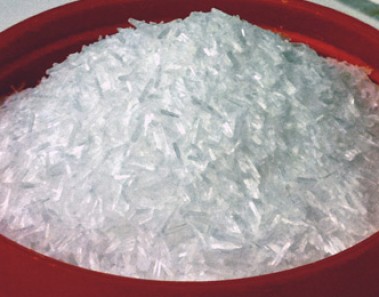
It was discovered and patented in 1909 by Ajinomoto Corporation in Japan. In its pure form, it appears as a white crystalline powder.

MSG has been established that they can cause problems in animals when consumed in some quantities. 

However, when added moderately in foods and ingredients, they should not cause any problems. Some quantities have been shown to cause adverse effects.

How to know a food contains Monosodium glutamate

Regulatory bodies the world over require that foods containing added MSG be labeled as such. Manufacturers are required to list it in the ingredient panel on the packaging as monosodium glutamate.

As mentioned earlier, MSG occurs naturally in ingredients such as hydrolyzed vegetable protein, autolyzed yeast, hydrolyzed yeast, yeast extract, soy extracts, and protein isolate, as well as in tomatoes and cheeses.

ajinomoto monosodium glutamate

When these listed foods/ingredients are used as ingredients in foods, manufacturers are not really required to list the food ingredients as containing MSG.

However, they must list all those ingredients on the ingredient panel.

About how much MSG we should consume!

The FASEB report identified some short-term, transient, and generally mild symptoms. These include headache, numbness, flushing, tingling, palpitations, and drowsiness. These may occur in some sensitive individuals who consume 3 grams or more of MSG without food.

However, a typical serving of a food with added MSG contains less than 0.5 grams of MSG. Consuming more than 3 grams of MSG without food at one time is unlikely.

Let me say at this point, that we should limit the level of consumption of MSG. Even though it was reported that we can’t easily consume 3 grams of added MSG in foods, we should also note that glutamate is available naturally in some foods.

Finally, the level at which MSG is added in most foods today is safe. It would be hard to eat enough to see the adverse effects.

If you see develop any of the above symptoms from eating foods that contain MSG, you may want to avoid it.

ALSO SEE:  The Unhealthy Side Of Tomato Paste or Puree Consumption.
Categories
Food Safety

Plastic Rice In Nigerian Markets: How To Identify Them

There have been reports of people buying Plastic Rice in Nigerian markets. Is this true? Why would anyone want to sell plastic rice? What is the Nigerian government doing about it? These are some questions begging for answers and we want to attempt to answer some of them with the little information available.

What Is A Plastic Rice? Does It Even Exist?

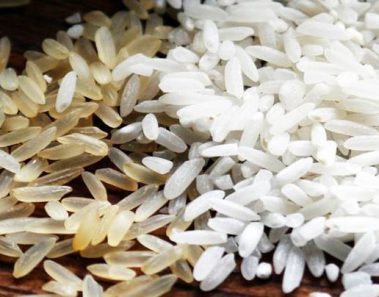
Plastic rice has been described as rice made from plastic. It has sometimes been reported in the media to be manufactured in China and sold in the West and countries in Africa.

Plastic Rice In Nigeria

Please don’t confuse this with what is known as Artificial Rice. This in contrast artificial rice is a grain product made to resemble rice. It is usually made from broken rice, sometimes with the addition of other cereals.

Why Plastic Rice In Nigeria?

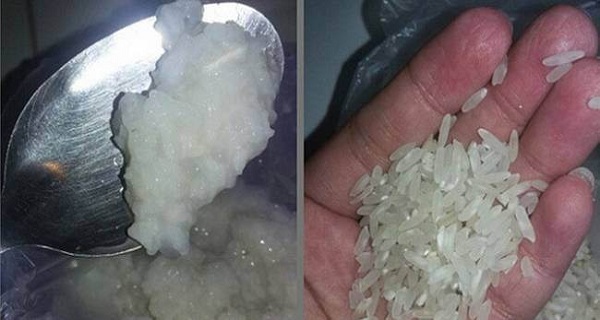
I first stumbled on this when I saw a photo shared on Instagram showing something that looked like tapioca in a spoon. The posted claimed this was the plastic rice bought in a market. Before I go on, let me share what a plastic rice is, with you.

I have not seen the plastic rice myself, I have only seen reports of it and many of them. The reason I am asking “why plastic rice” is because I think that plastic rice grains would easily be detected after cooking. Moreover, they would be likely more expensive to produce than real rice.

What Are Authorities Doing About It?

Nigeria Customs Service (NCS) and National Agency for Food and Drug Administration and Control (NAFDAC) have launched a search for alleged fake/plastic rice from China which is said to have found its way into some African countries, including Nigeria.

How Do You Identify Fake or Plastic Rice?

There are a number of ways by which you can know if you are being sold plastic rice;

1. Number one is a no-brainier but we still have to mention it again – buy popular and know brands of rice in their sacs. This way, you be sure to a high level that you are buying real rice grains. However, if you are buying smaller measures of rice from already opened bags, it becomes trickier.

2. Try setting a little bit of your rice on fire with a match or lighter. If it starts burning right away and smells like burning plastic, then you likely have plastic rice with you.

plastic rice will melt when cooked

3. When you crush a few grains of rice with a mortar and pestle (the small kitchen size) they should be reduced to a fine, white, starchy powder. However, when you do the same with fake rice, you will see a light yellow discoloration.

4. Plastic rice will not get spoiled after days of cooking it. This should be a last test because it takes time to complete and some people may have eaten part of it.

Depending on the plastics used to “make” this rice, the rice may even melt when cooked. So you can easily know when that happens. Whether the claims of sales of plastic rice in Nigeria are true or not, you can use the tests above to identify plastic rice. If you also have any proof of the plastic rice (pictures or videos), please share with us.

Categories
Food Safety

Tomato Paste Sold In Nigeria Far Below Food Safety Standards – NAFDAC

The National Agency for Food and Drug Administration and Control (NAFDAC) has disclosed that tomato paste imported and sold everywhere in Nigeria falls far below National Food Safety Standards. This was contained in a news article published by Sahara Reporters.

The news outlet reported that this information was contained in a 2015 internal memo given to them by Nigeria’s Food Safety and Applied Nutrition (FSAN) office of the National Agency for Food and Drug Administration and Control (NAFDAC).

Imported Tomato Paste Sold In Nigeria Far Below Food Safety Standards

This is not even about an article we wrote on the unhealthy side of Tomato paste and purees as they are produced and sold. This is even worse at it has standards as the bone of contention. When it comes to this topic, everyone has to be very careful.

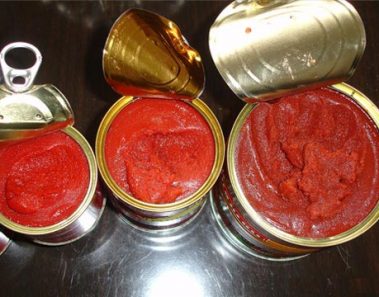
Imported Tomato Paste Sold In Nigeria Far Below Food Safety Standards
Photo: prettytomato.cn

If you recall, this is not the first time we have seen safety and standard issues when it comes to foods widely consumed in Nigeria. In 2015, we got a warning from NAFDAC about the dangers associated with consumption of imported frozen chicken and turkey. Also, a 2012 study found that certain chocolates and candies imported in Nigeria contained dangerously high levels of metals.

In this new development, FSAN conducted a study in which 314 packets of tomato paste purchased in Lagos. The tomato paste samples were subjected to analysis in a laboratory to determine whether they had a tomato content of at least 28 percent. This 28% is the minimum requirement specified by the Codex Alimentarius Standards and Nigerian Industrial Standards.

The results of the study revealed that 91.1 percent of the samples examined, had tomato contents that are below the standard 28 percent recommended as minimum. 

The findings of the study, indicate that tomato paste product companies are conspiring with Chinese tomato paste manufacturers to distribute substandard products to unsuspecting Nigerian consumers. It also recommends that retailers refrain from selling tomato paste imported from China until further notice.

The agency also recommends issuing a nationwide recall of all tomato paste brands imported from China, saying “Imported Tomato Paste brands in retail packs (tins or sachets) from China (High Risk Countries) should be suspended until further notice.”

In the light of these findings, we at FoodsNG are also advising consumers of tomato paste (be it in sachet or can) to check the pack of any tomato paste they want to buy. You may want to check if it was manufactured in China. If that is the case, you may want to refrain from purchasing it.

Categories
Food Safety

WHO: Processed Meat Now Confirmed To Cause Cancer

On that day, I glued fastidiously to the television in my office as I have promised myself to follow the ministerial nominee screening by the Senate from beginning till the end, it was just as if the Deputy Senate president knew what was going on in my mind. He asked the University Don about the approach he would adopt to curb the spread of cancer among Nigerians.

He further insinuated that the publicity for HIV had overshadowed cancer; however cancer is gradually taking the lead position in the number of deaths recorded annually. Coincidentally, as I plan writing on how canned meat could lead to cancer, the World Health Organisation, WHO recently affirmed that consumption of processed meats is associated with cancer.

Processed meat

In actual fact, WHO via its cancer research unit stated that processed meats are now classified as carcinogenic to humans based on the numerous studies that had linked the food type to specifically colon and colorectal cancer.

Many readers would question; what exactly is a processed meat? The health umpire defined processed meat as any type of meat that is salted, cured or smoked to enhance its flavor or preserve it. Processed meat generally contains pork or beef, but may also contain poultry. Without doubt all the canned meat products on the shelves of supermarkets fall into this category.

This claim by WHO did not go well with everyone. A leading group of antagonists of WHO’s pronouncement; North American Meat Institute and The National Cattlemen’s Beef Association who believe that the data had been doctored to ensure a specific outcome. It was also emphasized by one of their top ranking officers that scientists who issued the report were split on their decision to make an explicit link between red meat with cancer.

According to estimates cited by the WHO, about 34,000 cancer deaths per year worldwide can be attributed to diets that are high in processed meat. While the value is only a small fraction of the 8.2 million deaths caused by cancer in 2012, it is imperative not to discard the necessity of adhering to this claim.

As a practicing nutritionist, I would advise you to stay clear of processed canned meat, reduce your read meat intake, consume protein from fish source and ensure you eat a well balanced diet without unnecessary addiction to a particular food. The rate at which people are diagnosed with cancer is unimaginable. Excessive consumption of this type of diet will definitely put you at high risk of cancer.

ALSO READ: What Is Processed Meat? and Red Meat vs White Meat?

Categories
Food Safety

Is It Safe or Dangerous To Microwave Foods In Plastic? See Answers!

In the last one year, I have seen microwave ovens in almost every kitchen I entered. Many students even have microwaves in their apartments in schools. These tell us that microwave ovens are more common than ever in many every part of the world.

There have been many questions regarding the safety of microwaved foods itself. Many people are still skeptical when it comes to microwaved foods — they feel since the process involves radiation instead of fire to heat food, it is probably not safe. We have discussed that in this article. You can still access it here.

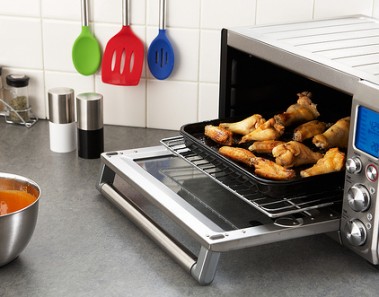
food in microwave oven
Photo Credit: peredelka.tv

Doing a quick Google search for the “safety of microwaved foods” will bring up several articles telling you that microwaved food is not safe. Part of the things that make some microwaved foods unsafe is the container in which we microwave the foods. Some containers are not safe for microwaving foods because they leave some dangerous and toxic materials in the food after completing the heating in your microwave oven.

Microwaving Food in Plastic: Dangerous or not?

Many people microwave foods in plastics more than any other material. We often by foods from eateries in plastic packs to microwave and eat at home. Is this safe or dangerous? Find out!

When you microwave foods in plastic containers or plastic wraps, dioxins, which are cancer-causing chemicals are released into foods. These materials are not present in plastics but are formed when, plastics, metals, wood, and other materials are burned.

Bisphenol-A (BPA), added to make clear, hard plastic and phthalates, added to make plastic soft and flexible are some of the compounds that are released into our foods when we microwave inside plastic containers and wraps.

So, are there any plastics that are safe for microwaving? What are the best materials to microwave your food in?

What materials should you microwave your food in?

If you want to microwave your foods in plastic materials, you should check for this “microwave safe” sign or plastic containers labeled for use in microwave ovens. Below is the image that indicates that plastic is safe for microwaving.

microwavable symbol

If you still have concerns about plastic wraps or containers and want to avoid their use in the microwave, transfer your foods to glass or ceramic containers labeled for use in microwave ovens. They are the safest of all.

Categories
Food Safety

Beware! Killer Adulterated Palm Oil Is Sold In Markets

Palm oil is a major vegetable oil that is used in many soups and meals especially in West African countries. In fact, I doubt if there is any home in Nigeria that does not include palm oil in any of their daily meals. This clearly shows the importance of the oil in the diets of an average Nigerian.

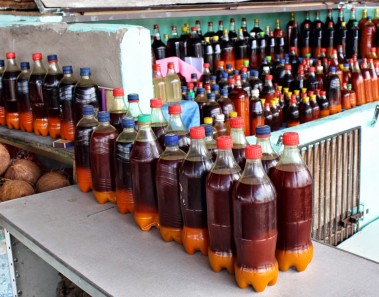
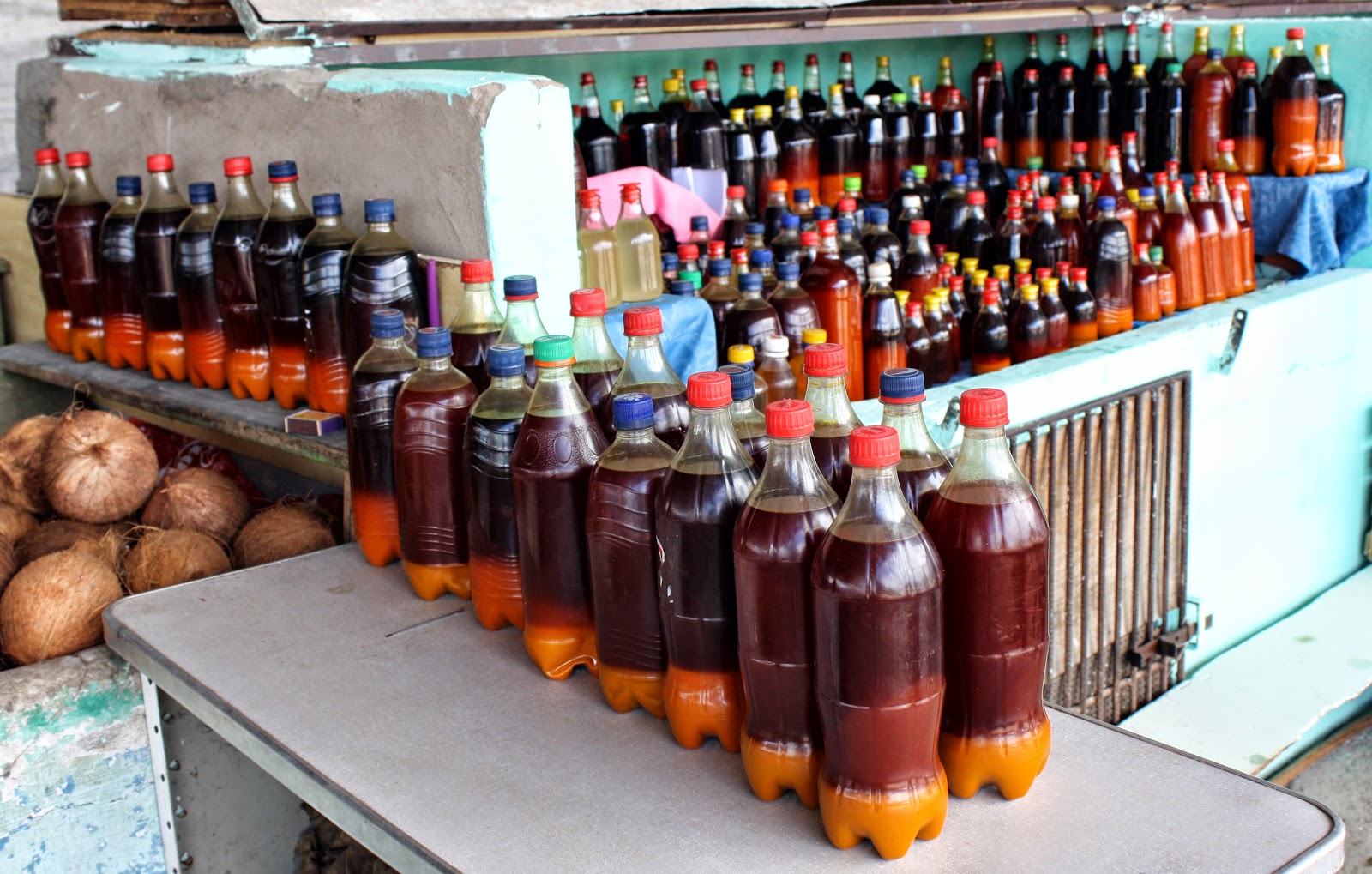
palm oil

With the sudden rise in cases of cancer, organ damages and heart diseases with no specific cause, it has become very important for Nigerians to pay particular attention on the quality of palm oil to be used in their diets considering the current trend. It has now come to our notice that many unscrupulous elements, in their quest to make more money, have colluded with producers and marketers of this oil to add some inedible substances or chemicals that could make palm oil appear like the unadulterated one.

I recently read an article that described the arrowing experience of a group of friends who ate leafy vegetable popularly called Efo riro by the Yorubas prepared with palm oil and all of them purged seriously until they were admitted to the hospital. The friends were quick to say it was the vegetable but a further test carried out indicated a trace of some certain chemicals. These chemicals are those used in the production of adulterated palm oil.

The expertise put to use in the production of this oil has made it practically impossible to physically differentiate between a good palm oil and the fake. Many consumers look for redness before buying their palm oil. Of course, that is one major attribute of the oil. In fact, in some climes, it is called red oil. Having known this, these criminals use a chemical called solvent red 24 (Used in colouring plastics) as an additive to improve the redness and make the oil appear like the properly made palm oil. Another dye used to achieve this result is Anatol dye.

Often times, It will surprise you to know that these improperly made bottles or kegs of oils are more expensive than the properly made ones as consumers tend to rush them unknowingly.

It is to my greatest surprise that the law enforcement agency such as NAFDAC had not done enough in recent years to clamp down the perpetrators of this evil act that had left a major food item like palm oil which is suppose to supply Vitamin A for proper nourishment our body to a food item supplying lethal toxins.

You will do yourself and family a great good, if you do have a trusted source where you can buy palm oil that had been properly produced rather than just buy from any seller. Also, one could trust packaged or company made palm oil as standardization must have been adheres to. Prevention certainly is better than cure.

I sincerely hope this article is helpful.

Categories
Food Safety

Why You Should Consider Quitting Roadside Snacks Consumption

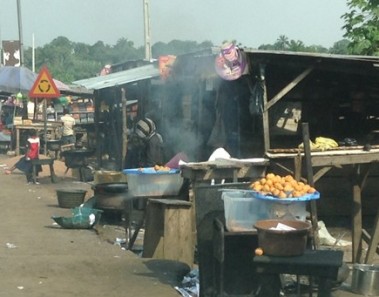
I am a lover of the regular and common roadside Nigeria snacks but sometimes I get disgusted at the sight of some certain things. When I say roadside snacks, I mean foods like roasted and boiled corns, fried yams, fried Akara, roasted plantain, puff puffs, fried fish and other snacks that are usually sold along the streets and at various bus stops. I can imagine what question is running through your mind right now- What else is left for us to eat? Yes, sometimes I share the same thought but regardless of how hard it is, the bitter truth has to be told.

safety of roadside foods

These snacks which are technically called “ready to eat foods” have actually become part of the regular diets of many, particularly the rural and local dwellers. In my quest to unravel the rampant cases of food poisonings and health hazards, I have come to realize that many of the issues are due to these kinds of food with fewer cases associated with homemade foods.

Just a few days ago, I and my big brother visited somewhere in Ipaja (Lagos) in his car, as we both looked at our right while in the slow-moving traffic, we saw a roadside Yam and Akara (fried bean cake) seller. Just in the traffic, a faulty trailer was in front of us, which was producing some very thick, dark and dangerous carbon monoxide and had most of the gas directly deposited on the displayed foods. This happens virtually every time as the seller is just by the very busy road.

We all are aware of the state of our trucks, trailer, cars and even the Lagos commercial buses, popularly called “Danfo” as regards the quality of their exhausts. What of the dust deposit on some of these snacks? Only a few of the sellers cover the foods with transparent nylon to provide some forms of a shield. The deposits are seriously causing health hazards unknowing to millions of people on a daily basis.

Many of the women and men who sell these ready to made snack wear dirty aprons, rub their hands over it, use their hand to pick charcoals, clean up for their children particularly the women and eventually used these contaminated hands to touch and reposition the roasted corns or plantains to be packaged for customers. A colleague of mine recently had severe diarrhea and he was quick to identify the source; a roadside snack.

These roadside food outlets are making many consumers especially children and women vulnerable to fatal diseases such as cholera, typhoid, and gastroenteritis. The utensils and containers used in making these roadsides ready to make snacks are usually not very clean. For me, I love to eat these snacks but the thought of all these unhygienic handlings deter me from enjoying them.

Well, if you must consume these snacks, chose to buy from sellers you can trust as regards how they handle the issue of hygiene in their production or cooking process.

Categories
Food & Nutrition Food Safety

Reasons You Shouldn’t Chop Your Vegetables In The Market

In this era when the consumption of pastry foods and junks is on the rise, one or two servings of vegetables/week which remains the only source of vitamins and minerals for many has been made to lose most of its nutritional values, if not all. No wonder the immune system of many Nigerians continues to fail them at the slightest invasion of bacteria infections resulting in illnesses. 

chop vegetables

Aside from the fact that such single or double servings of vegetables/week are low, many housewives and cooks have only provided good looking vegetable soups to their families as against a more nutritious one. For me, I have come to realize that it is much more important to consume a less delicious food which is well loaded with nutrients than to funnel into my system a delicious meal with no or low nutrients. It is what actually prompted this article on how to maximize the nutrients in your vegetables.

Sliced or chopped leafy vegetable from market presents an avenue for a near-complete loss of nutrients even before preparation. As everyone would rinse or wash the chopped leaves once they are ready to cook, the broken cell walls of the leaves give way for loss of nutrients since the vegetable will be drained from the added water.

How To Know That You Should Not Chop Vegetables In The Market

A simple experience will surprise you. Buy both un-chopped and chopped leafy vegetables from the market. Rinse both vegetable types in the same quantity of water to clean. Pour the water drained out in both samples into different transparent glass cups.

You will see that the chopped leafy vegetable has darker drained water compared to the un-chopped one. A clear indication of a significant loss of phytochemicals and nutrients even before cooking.

A further experiment on the matter!

I would even ask you to take the experiment further buy buying vegetables in the market, ask the vendor to chop the for you and buy another fresh vegetable, leave uncapped and take home. When you get home, chop this vegetable and clean it with water.

Do the same for the one you chopped in the marker and do the clear glass-drained water experiment above. You will get a similar result as the one above, an indication of the loss of phytochemicals.

Have you ever wondered how clean the chopping board of these vegetable sellers are? That is completely left for you to judge. In most cases the chopping board is left outside over night for goats, insects and dogs to play with, only for them to resume the next evening, dust the board, maybe just clean with some water and start using for customers.

If vegetables are chopped with these kinds of boards, the sliced leafy vegetable becomes easily contaminated. No wonder many are faced with serious diarrhea after eating vegetable soups. Clearly, one cannot generalize in this matter but some of these vendors do it that way — and sometimes, it is hard to tell which is which.

The best option for you and your family is to buy these vegetable leaves un chopped, rinse them properly and have them chopped or sliced by yourself. Yes, you might not be as perfect in slicing the veggies as the market women but over time you can only get better. Remember, this is simply an action done for improved nutrition and you will definitely be better for it.

Categories
Food Safety News

European Union Bans Importation Of Nigerians Foods

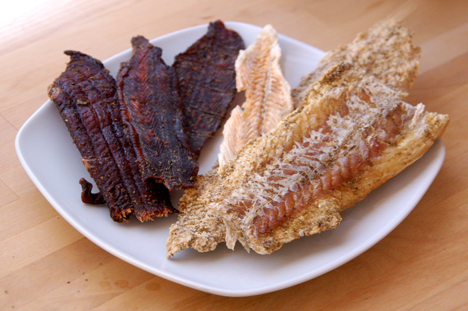
The European Union (EU) has banned some Nigerian foods from being exported into Europe, PunchNG reports. The food items banned from Europe till June 2016 are beans, sesame seeds, melon seeds, dried fish and meat, peanut chips and palm oil. This is a setback for a nation that desperately needs to expand its export basket to boost domestic agricultural activities and create jobs.

dried fish and meat

Why Did The European Union Suspend These Food Exports From Nigeria?

The first answer someone gave to is that “they hate us and don’t want us to prosper. They look for every opportunity to make us look bad.” I don’t know about this but what I know for sure is that they need these agricultural products for their own food too and would not want it to stop coming to them.

What is now the problem? Why did they ban these agricultural foods?

First of all, it is not that they hate us. They don’t!

According to the European Food Safety Authority, the rejected beans were found to contain between 0.03mg per kilogramme to 4.6mg/kg of dichlorvos pesticide, when the acceptable maximum residue limit is 0.01mg/kg. The embargo is a reflection of our inability to adhere to global standards, and this has come to haunt us at the international level again.

For some time, the EU has been warning Nigeria that the items constitute a danger to human health because they “contain a high level of unauthorized pesticide.” The pesticide is applied when the products are being prepared for export. The EU said it had issued 50 notifications to Nigerian beans exporters since January 2013. It is baffling that the Nigerian authorities didn’t take any significant steps to reverse the situation.

Likewise, the United Kingdom also issued 13 border rejection alerts to Nigerian beans exporters between January and June 2015.

The question on my mind is, “how do we preserve these foods for our own local consumption?” We really need to know this. Is it the same way as those we export? If so, don’t you think NAFDAC should ban the use of these pesticides too?

Paul Orhii, the Director-General, National Agency for Food and Drug Administration and Control said that exporters caused the problem by not complying with regulatory requirements for semi-processed and processed commodities.

What’s your take? Please share it with us! Thank you! ALSO SEE : NAFDAC Warns Against Eating Imported Chicken, Turkey

Categories
Food & Nutrition Food Safety

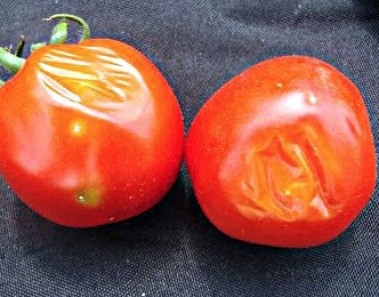
How Deteriorating Tomatoes Can Land You In The Hospital

The money you saved while buying those damaged, deteriorating (esha) tomatoes could eventually be used to cure the illnesses that come with them.

Food products or items of a lower quality are usually what some people prefer to purchase regardless of their financial status. In fact, It could be said to be in their genes.

One food product that falls into this category is tomato.

In many popular markets in Lagos and other parts of Nigeria, there has been visible popularity in the purchase of deteriorating Tomato (popularly called Esha tomato) even among people who appear comfortable purchasing fresh tomatoes.

This I have seen countless times in the popular Lagos mile 12 markets.

damaged tomatoes

I have always said to people who care to listen that you do not need to be a ‘Bill Gate’ to buy fresh food produce like tomato for your family.

Usually, poor quality food might not necessarily translate into low prices. All these ideas are only in our perception.

Deteriorating or partially rotten tomato commonly called Esha among the Yorubas is a sure way of depriving your body essential nutrients that are needed for growth and development.

In the process of spoilage, bacteria begin to utilize the nutrient content of tomatoes in order to increase in number and to further cause more deterioration.

When this happens, tomato loses its firmness and nutritive value. Many of the spoilt tomatoes result due to far distance between the farms and markets.

It further exposes the lycopene loaded vegetable to bacteria and fungi attack.

Have you ever wondered why you are faced with diarrhea after eating from a local food store or mama put joint?

Asides from the unhygienic method of food preparation, it will surprise you to note that most of the cases of food poisonings that occur are due to poor quality food ingredients like spoilt tomatoes used in the cooking.

The future implication of consuming this kind of meal cooked with deteriorated or rotten tomatoes is damage to the internal organ due to released toxins which might not be noticed in a short term.

Some of the associated illnesses with the consumption of rotten tomatoes are liver inflammation, diarrhea and vomitting. These conditions are life threatening when there are severe.

Opt for fresh tomatoes and not rotten/Esha in order to benefit from the good nutrition that the vegetable can provide.

Categories
Food Safety

How Your Phones, Money Could Be Leading To Food Poisoning

Aside air, two other  things that seem to be so important in the lives of many are phones and cash. In fact no one can do without money but phone has actually made itself so important in out lives too.

When we discuss food poisonings, we tend to lay more emphasis on sources that are easily trackable but obviously neglecting other sources that are hunting us day by day and sending many to the hospital when the situation gets worse especially in children and vulnerable aged.

Our phones particularly get in with us anywhere we go to. From churches, mosques, hotel rooms to bathroom or toilets and other places where contamination is quite easy. Remember the number of times your mobile devices dropped on the floor, even in the toilet and other insalubrious environment and all you did was to wipe with a handkerchief. I can confidently say that our phones are dangerously loaded with and carrier of life threatening bacteria. Although I have not carried out any microbiological analysis on any of these devices to ascertain this claim.

phones dirty
Photo: atzlabs.com

Research has shown that many more people in the past five years are more connected with their  phones and mobile gadgets more than they are to their spouses. We do not give our mobile devices a breathing space even while we eat and cook our so called African foods like eba, fufu, and other solids using our hands. While many are cautious of washing their hands cleans before rolling the solids, many of them are completely unaware of the danger they could cause themselves by touching their mobile devices with any of your hands during cooking or meal times. It is best not to use your phone while doing any of these activities.

Recently, I visited a top notch restaurant. As the woman was about picking a spoon to be used by one of the customers, she pick up cash to give another customer her change. What surprises me was when she took the spoon not at the handle to place on the customers tray. Such customer could eventually eat the meal and end up with diarrhea. Many of our monies are kept in the bra by market women and others. The thought of our dirty notes is quite disheartening. Touching our notes during cooking, food serving and eating can be a cause to many of the cases of food poisonings seen of recent.

I hope we will all avoid touching cash notes and using our phone devices during any cooking activities and meal times.

RECOMMENDED: How To Avoid Food Poisoning Eating At Eateries/Restaurants

Categories
Food Safety Knowledgebase

Poisons That We Consume Every Day

Let me quickly use this first paragraph to explain the title of this post to you. Like I have mentioned in two of my articles in the past — every thing that we eat and consume could be viewed as a poison, the amount (dose) that we have taken in is what determines if it would cause disease or become lethal (cause death). Almost every food I have seen has a component, that can cause adverse health effect in everybody or some specific group of people.

If this is not really clear, let me use this analogy of a drug called Indocid. When I mentioned this name, what would come to the mind of many people here in Nigeria is its use in killing mice and rats in the house. Well, the drug was actually designed to help relief the painful condition involving inflammation of joints or muscles. It could be arthritis. When rats take that amount we put in foods for them, it is lethal but not for human.

poison

This analogy is true for every food component that has been labelled ad dangerous or risky — they all have a dose at which they are lethal in the body. We only have to eat enough of it to see adverse effect in our body. This is not to say that we should not care about the dangers every food pose, in fact we have to endeavour to find out about them. This way, we can know the hazards posed by the food component, at what quantities it becomes dangerous and the problems it causes when its adverse effects start to manifest.

NEXT [2] :: Continue reading on page 2…

Categories
Food Safety

Which Types Of Cooking Pot Materials Are Dangerous To Health?

The materials commonly used in cookware and utensils include Aluminum, Copper, Iron, Lead, Stainless steel and Teflon™ (polytetrafluoroethlyene). Everyone is now aware that Lead and Copper have been associated with various illnesses and health hazards and should be avoided. This is a reason water pipes are no longer made of lead but plastic. You must have heard about lead poisoning before, so we don’t want this in our cooking pots and frying pans. This post is meant to enlighten us on the cookware that we use and the potential dangers some of them pose to our health.

I have written so many articles and I have seen a lot of responses, feedback and comments from people. Hence, I can guess that one question in the mind of some people already is, “which one is the best and which one is the most dangerous pot material”. Honestly, it is a hard to say what the best materials are as they all have their own advantages and downsides.

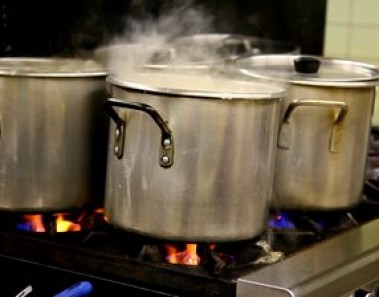
cooking pots and stove

What You Need To Know about Pots & Pans Materials

Although there are several materials for making our cookware, we are only going to write on the most commonly used ones ans any health risk that may be associated. We are not going to talk about earthen ware like clay pots but common ones like stainless steel, aluminium and cast iron cookware and potential health hazards.

As you go on reading the article, you will see a VIDEO TO GUIDE YOU on how to choose safe cooking pots!

We’ll drop a few notes on non-stick pots too. Click 2 to page 2 below to see the various types of cooking pot and pan materials and details about them…

Categories
Food Safety

Do You Eat Burnt Foods? Beware Of These Health Hazards!

Once in a while mistakes occur and one could end up with burnt foods. While this is clearly a cooking error to some individuals, a few category of people intentionally prefer all their meals or certain meals to get burnt. From fried eggs to yam, beans, jollof rice and even toast breads, the burnt odour and colour seem to thrill them beyond ordinary explanation.

Let us get it straight, at the moment, there is no proof that consuming burnt foods actually cause any health hazard at all but there is growing concern as regards the relationship of burnt foods and some certain types of life threatening diseases which every reader of this post would want to avoid.

burnt jollof rice

What Actually Changes In Your Food When It Gets Burnt

There  are  potentially  harmful  chemicals  which  are  Acrylamide  and  polycyclic  aromatic hydrocarbons PAHs found in foods especially starchy ones. This chemical increases in these foods with higher temperature.  They are produced when sugar  and protein are  heated up during cooking process. Some of the foods that contains acrylamide and PAHs are toast breads, potato chips and many of the fries.

These harmful compounds have been associated with different forms of cancer tumour but a proper convincing research had not been carried out to ascertain this claim. Some research suggests the development of cancer in test animals that were fed with acrylamide and PAHs while others do not see any compelling evidence.

Furthermore, it is in record  that  in  the  year  2007, the European Union’s health advisors decided to take a precautionary approach, and recommended that people avoid eating burnt toast or golden-brown chips as they may contain unacceptably high levels of acrylamide.

Asides the fact that these burnt foods are high in this potentially dangerous compounds, the foods are as good as empty calorie since they supply no nutrient to your body. All the vitamins had been lost at the extremely high temperature. Most people who subscribe to these kinds of foods are sometimes confronted with other health complications.

Friends, do not get caught up in any hazard that could make you regret in years to come. Stay clear of burnt foods. They do not taste good and considering these dangerous compounds associated with them, they are not worth the risk.

Categories
Food Safety

The Unhealthy Side Of Tomato Paste or Puree Consumption

HOW HEALTHY IS THE CONSUMPTION OF TOMATO PASTE OR PUREE? — Food processing has been quite helpful to our development as humans and I am proud to have been part of such movement during my undergraduate days. However, the proliferation of processed foods that do not conform to Good Manufacturing Practices (GMP) has left many food experts like me in doubt of the proclaimed health benefits associated with the consumption of processed foods.

Recently there has been a push for the ban of certain food products in Nigeria due to health concerns. While I seem to agree in a way with the government on such actions, on the other hand, I feel there is need to critically look into the situation.

Over the years, busy mothers have opted for fast ways of preparing foods for their families and that is one of the reasons pureed or paste tomatoes seem to have taken over the shelves of many store both in urban and rural areas. The need to share this article is due to the many question I have received concerning if tomato paste or puree is healthy to consume. Before we dissect that, let us find out what pureed tomato is.

tomato puree in can

WHAT IS TOMATO PUREE OR PASTE:

This can be described as liquid obtained from cooking and pulverizing tomatoes. The major difference between paste and puree is its consistency. The process of making both is usually the same. As I continue in this write up, I will be using the word tomato puree to describe all other liquid form of tomatoes.

NEXT [2]: The Healthy Side of Tomato Paste/Puree…

Categories
Food Safety

How To Avoid Food Poisoning Eating At Eateries/Restaurants

Often, when we write articles highlighting the dangers or potential hazards inherent in some foods and how they cause harm to our health when we consume them, we get a lot of abusive comments, telling us how “dirt cannot kill Africans”. On a particular article where we explain the potential dangers in eating Suya, someone — surprisingly a lecturer in one University of Technology commented in pidgin, “na over sabi dey kill pass” (meaning knowing too much kills more).

We would like to implore people to just try and take their health issues more seriously. When they see warning on foods they consume, even when they doubt the source, they should try to seek more information elsewhere to clear any doubts they might have.

People sometimes get food poisoning by eating foods prepared by themselves at home and sometimes by eating foods at eateries and restaurants. I have seen more cases of people having food poisoning after eating foods at eateries than in their homes.

Food Poisoning

Not long ago, we published articles, explaining what food poisoning is, and how to know if you have it and how to prevent its occurrence at home. Those articles are still available via their various links (clickable above), and this one, will give you tips and pieces of advice on preventing food poisoning when you eat outside.

First of all, let me share with you some statistics and information on occurrences and cases of food poisoning in Nigeria;

Professor of Food Science and Technology, Alfred Ihenkuronye, has said that more than 200,000 persons die of food poison in Nigeria annually. The sad thing is that, many would not even know it is food poisoning. They just look at the symptoms and try to treat that alone.

Managing Consultant at First HACCP System, Mrs. Zainab Akanji reported that 99% of Nigerians eat outside (eateries, restaurants, parties) and adverse effects are underreported.

She added,

So I feel there is need because most times a lot of people fall sick, there is high increase in diseases now traced back to food issues and when you compromise food safety it causes adverse effect on people ranging from cancer to stomach ache, diarrhoea. In fact almost everybody in the world has had food poisoning case at one point or another either from the minute one of frequent going to the toilet, to vomiting, to the acute one that sometimes people don’t live to tell the stories, which causes death sometimes due to the contamination of food.

Here are Tips For Avoiding Food Poisoning At Eateries

Click 2 (page 2) below to start reading the tips to follow… 1. Read the labels on the food container

One cannot overemphasize the importance of reading anything and everything written on food packs. I have mentioned the importance of reading labels in one article in the past and I can only hope people have learnt a great deal from it.

I travelled to Abeokuta some months ago and went to a popular eatery with branches all over the South-western part of the country. I ordered for food which included a container of vegetable salad. While waiting for my change, I just started reading things written on the container then I saw something boldly written on it;

Consume Salad Within 15 Minutes of Purchase

What came to my mind was, “why do they sell to people in take-away packs?” If you know that this food will only be in its best condition for only 15minutes after taking it out of the refrigerator, why sell to people to take away, when they may not get to their destination in one hour.

Forget the the organoleptic attributes of the food now, what about the safety. Raw vegetables (ingredients of salad), carry the risk of salmonella and E. coli – which can cause vomiting, diarrhoea and stomach cramps. When they are not well refrigerated and left under ambient temperature for long, these microorganisms multiply and cause problems for whoever eat them.

2. Make sure of the hygiene level as it affects the food

Although one cannot totally be sure of the hygiene level of a food you are buying in a restaurant or eatery, one should make effort to verify those he can. Whenever I want to buy food, I look at the environment, the food and the person that is going to serve it.

Sometimes, we cannot see what is being done to the food where it is being cooked but when we can, we should also check these things too — the neatness of the person cooking, how does he/she gets rid of sweat on their face, does the water used for cooking appear clean and things like that. I can scan to assess things like these within 30 seconds of getting to the eatery.

When I can, and have made sure of all these, what I do next is to monitor the serving. I wouldn’t allow any server to use bare hands to unwrap “moin moin” or “eba” for me, I am not going to allow it. When I see that’s what the server wants to do, I talk. If he/she goes ahead and uses bare hands, I am not taking the food.

When I gave some information about food poisoning above, some people would have started asking if I meant that food poisoning is just a Nigerian issue. No! It is everywhere in the world.

Norovirus, which is usually called “cruise ship virus,” is more often caused by infected restaurant workers than outbreaks on the high seas — this is according to U.S. health officials.

Just 1 percent of more than 1,000 food-borne outbreaks examined by the federal Centers for Disease Control and Prevention were traced to a cruise ship. Most outbreaks were caused by infected kitchen employees touching food with their bare hands, according to a new agency report.

3. Insist on microwaving/heating your food

When you buy food from a eatery and would either like to eat in there or take it away in a pack, please insist that they microwave it for you. We have previously explain how microwaving foods helps to kill microorganisms in food and make them safe.

Many people have complained about how microwave heating affect the taste and appearance of foods. Yes, this might be true but they usually don’t affect food that much, sometimes they are even unnoticeable. The only noticeable change I have ever noticed when I microwave my food is that it makes my fried plantain harder like it was first fried, then boiled.

Well, even if this happens, I would rather eat a harder fried plantain than end up lying up lying on hospital bed clinging to life.

food in microwave oven
Photo Credit: peredelka.tv

The only thing you need to ensure is that your food is being microwaved in a container that has been made for use in the microwave. Don’t allow them to use just any plastic container.

4.  Avoid foods displayed inside show glasses with bulb

When food are stored in show glasses with light bulbs (e.g meat pie, doughnuts, samosa, spring rolls, etc), the change of making the microorganisms present multiply increases. The temperature provided by this bulb is very good for survival and multiplication of many organisms.

I have been a victim of this before — eating burger displayed like this and ended not going forward for a presentation I should because I thought my bowel would come out that day. Fortunately, the course I was supposed to make the presentation for was a Food Microbiology course and the lecturer talked about food poisoning.

I raised my hand and explain what just happened to me. I was informed it could be food poisoning from the burger I ate. When I got home, I met my house mate in the same condition — we had bought and eaten the burger together.

Avoid foods that are displayed without cover, a lot of air-borne microorganisms might have found their way into that type of food. If restaurants want to customers to see what is inside the display containers, they should use covers made of clear, transparent glass.

5. Plates, Spoons, Food Containers and other utensils

Cooking and eating utensils are as important when it comes to safety of our foods as the food itself. You can cook a food in a very hygienic way, process it to remove most of the pathogenic microorganisms but end up serving them in contaminated plates. Restaurants should have a form of heater, where washed plates are kept for some time before they are used to serve food.

If I have not mentioned it before, this article is not just for people that patronize restaurants and eateries, managers and restaurants workers will also benefit a lot from this article because there is so much a customer can do to ensure safety of food. The most important parts lie with the processors and handlers of foods.

I was at a fast food joint last week to buy popcorn, to my dismay, the attendant was trying to increase the volume of the paper bag by blowing air into it with her mouth. I asked her if she was new on the job there and she asked me why I asked her that. I made my mind known to her that what she did was unhealthy and unsafe.

I demanded that she changed the pack and desist from that act.

6. Ensure that your own hygiene level is good too

The last of the tips I a sharing here has to do with your own hygiene. You need to make sure your hands are clean when you want to it. For me, it does not matter if I am going to use a spoon or fork and knife.

Washing hands, especially fingernails are even more important when eating foods that we use our our fingers for in this part of the world. Eba, amala, semo, akpu, tuwo are examples of foods people use their bare hands to eat in many parts of Africa and other places where they are consumed.

Finally, as we age, our immune systems become weaker. As a result, older people are more likely to suffer from foodborne illnesses or food poisoning than the younger ones. This does not mean that younger people should shun all safety tips that ensure food safety but to advise older people to be more careful in their choice of foods and restaurants.

I know I have only tried and may have left some tips out; if you have any other tip you wan to share with people, you are welcome to drop them as comments on this page. Thank you!