Categories
Food & Body

Other Side Of Sugar-Free Drinks & What Makes Them Sweet

The recent bad labelling of foods high in sugar have made a few food production companies to go back to the drawing board. Dietitians, Nutritionists, Medical doctors and other health professionals have done a lot to inform the general public on the dangers of funneling high calorie processed foods particularly those loaded with sugars into their body systems without caution. While the campaign against sugary foods could have been said to be gaining ground in some quarters, food manufacturers have come up with catchy names on the packages of products.

These names include No sugar, Zero sugar and Sugar free. My questions are — Are these products actually not containing sugars? How come do they taste so sweet just like sugar loaded products? How healthy are they when regularly consumed? Well friends, you would learn the answers to these questions as you read further.

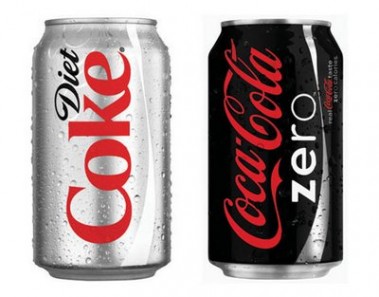
zero coke

Do Sugar-Free Products Contain Any Sugar At All

Clearly, many obese and overweight individuals have thrown to the thrash bins all sugar-containing foods on their shelves so as to help reduce their calorie intake and weight. In truth, sugar-free products may contain other types of sugar which are inherent in other ingredients of the products. For instance, in sugar-free cookies, the flour contains sugar. Also, other forms of sweeteners such as sugar alcohol (sorbitol, xylitol, and mannitol) are added to the product which usually supplies a lower calorie compared to regular industrial granulated sugars, glucose or fructose syrups. Other forms of additives that act as sweeteners that are accepted by international bodies to be included in foods are Aspartame, sucralose, neotame, and saccharin.  These are the reasons these sugar-free products all taste sweet.

So, are these sugar-free products really healthy for us?

How Healthy Are The Sugar Free Products?

An average teaspoon of sugar contain about 15 calories which amounts to close to 120 calories in a bottle or can of cola drink. While this is scary, food manufacturers present to us artificial sweeteners like saccharin, aspartame and the rest that only contain very little amount of calorie yet providing sweetness that is required for the product.

In any platform, I have always shown my disapproval for a “No this, No that” kind of food. What happens when they avoid a particular constituent of food is that an artificial or chemical based one that will imitate the original will be introduce into the products.

The question of how healthy these products are to humans have been up for serious debates among researchers, nutritionist and dietitians over the years. There is a clear growing concern with the hazards associated with these products since most of them are chemical based and tend to alter the human body’s chemistry of recognizing sugar.

Aspartame and commonly used sweeteners

Aspartame, saccharin and sucralose which are the most common artificial sweetener used in food production have being associated with many side effects ranging from hallucination to seizure, migraine and headaches, enlargement of the liver and kidney to mention a few.  These claims come to be due to some test carried out on laboratory rats which indicated that the sweeteners can trigger some health complications as opposed to when fed with natural sugars like glucose and fructose.

Even though these results have not been concluded, many research institutions including Purdue University have suggested that theses sweeteners do more harm than good to the health of our planet.

So, if you do not want to take these types of sugars, what options do you have?

What Options Do You Have?

Your best bet for me is to quit addiction to and consumption of these products. While believing they are helpful in lowering your blood sugar and reducing your calorie intake you must consider the associated health implications. It is better to switch to regular and more natural sugar types such as honey and molasses and taking conscious effort to reduce your overall sugar intake.

Learn to check food labels to know exactly the constituent of what you want to consume. Go for natural sugar found in fruits rather than processed foods to cater for your sugar cravings. Honey is also another good option to explore but they are relatively expensive.

Speak with a qualified nutritionist or dietitian to help you with a proper diet plan.
Categories
Food & Body Food & Nutrition

6 Foods Surprisingly High In Sugar (Bet You Don’t Know)

I recently got a series of emails from some readers on this blog who seem to be interested in losing weight. When I read a few of their situation, I figured out that a few of them apart from their habit of consuming fatty and high calorie foods, might also be indulging excessively in foods that contains sugar and they do not know. One thing that dieticians and nutritionist in America have agreed upon is that Americans consume a lot of sugars.

While America seems to have been labeled with this due to the fact that they have proper documentation, other countries are not left out. In fact, some other countries are top consumers of sugar without them knowing due to lack of information and documentation. Obesity is taking the rise in our nation and asides planning healthy diet, we must expose foods that appear not to contain sugars but are indeed loaded with a lot of them in order to ensure that people choose to consume them sparingly.

The list below contains some of the foods:

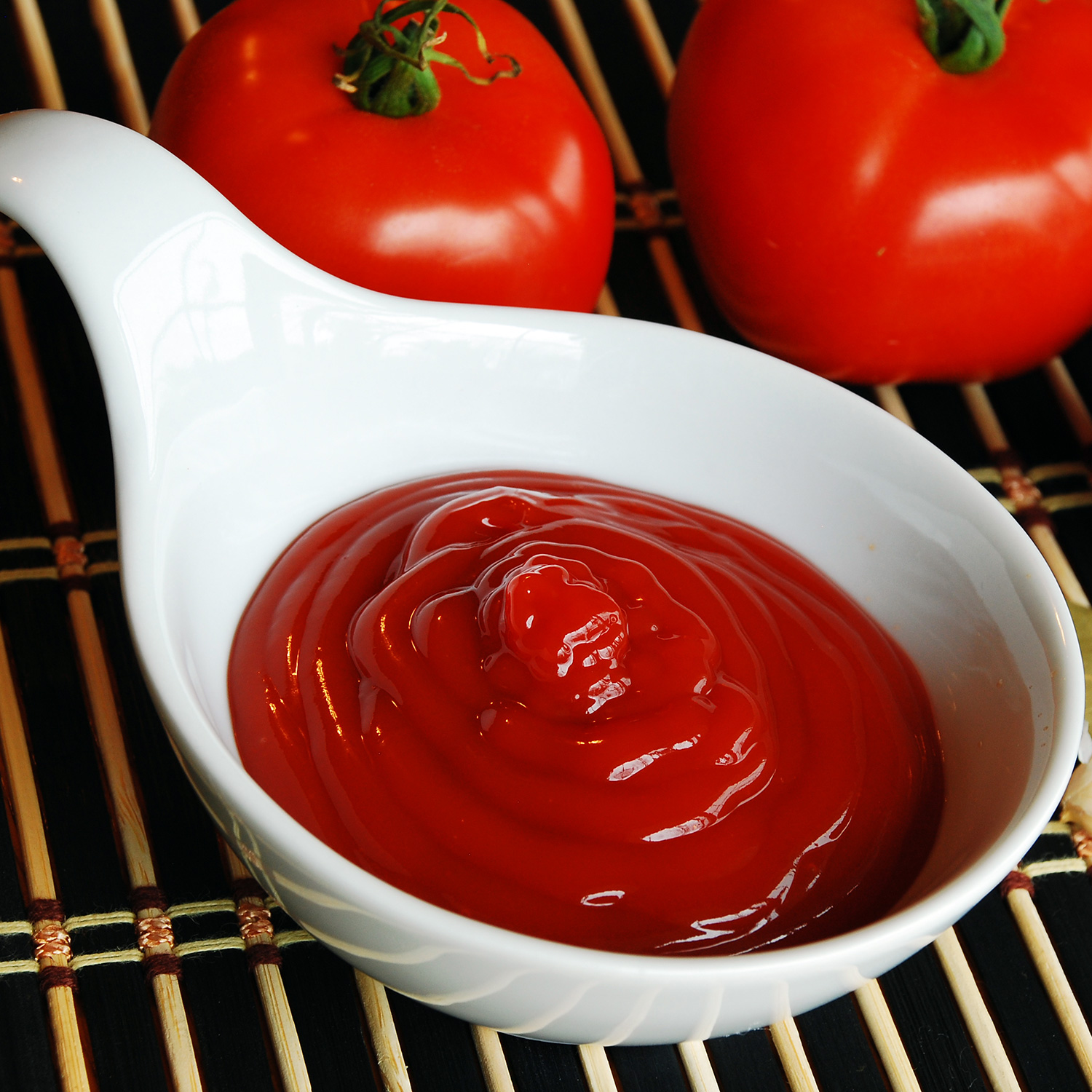
1. TOMATO KETCHUP: It is quite common for people to indulge in consuming tomato ketchup while believing they had exclude sugar from their diets. Most of the common tomato ketchups during processing had been added some form sugars that can be said to be high enough when regularly consumed for those under a low sugar diet. Tomato paste is best when it is made completely at home.

tomato ketchup

There you can determine whatever ingredients you need to include that soothe your health.

2. YOGURT: Yogurt has generally been seen as a healthy dairy option as it contains healthy bacteria that help digestion. Yes it is. However, most commonly sold yogurt especially the fruity types are loaded with sugars to sweeten it. It will be advisable to opt for plain yoghurt which contains naturally occurring sugars.

yoghurt

Yoghurt contains all the benefits you will derive from milk, most of lactose has been converted to lactic acid by enzyme. This will enable people who are not tolerant to it benefit from the nutrients in ‘milk’.

ALSO SEE: The brands of Yoghurt you MUST STOP buying!

3. ALCOHOL: If only those who consume many bottles of alcohol know the excessive amounts of sugars in it they will definitely reduce or quit consumption. This group of people are quick to condemn those consuming soft drinks without knowing that they might be caught up with the same problem of high blood sugar level. Many people have the impression that only things that are sweet contain sugar. If you are one of such people, think again.

The high amount of sugar present in alcoholic drinks is often overlooked. Asides triggering diabetes, damage to the liver and poor dental health has also been noticed amount consumers. Alcohol also damages the brain by by killing dendrites — making communication between brain cells slow and difficult.

The common alcoholic drinks we take include lager, beer, ale, stout, wine, etc. (see their differences here).

SEE: Does Beer Truly Cause Pot Belly or It’s Just a Myth? Find Out!

beer wine lager ale stout

4. DRIED AND CANNED FRUITS: When people indulge in canned fruits they are battling with more than just the high amount of sugar found naturally in the fruit. You’re dealing with the production processes zapping the fruits of their essential nutrients that made the healthy. When this production steps are carried out, the natural sugars are reduced while eliminating most of the vital nutrients.

What such food manufacturing company does is to add sugar syrups of different kinds to make them sweet to taste but less friendly to your body in reality.

RECOMMENDED: Canned Food Causing Cancer…See The Real Truth!

5. SALAD DRESSING: I sometimes include salad in the diets of my patients because it is healthy. However, I take caution in the salad dressing they have to use except I have seen the product to read the label. Many of these dressings are high in sugars with most consumers unaware. If you must consume them check their labels.

6. NO-FAT FOODS: This is one trick manufacturers use to attract buyer who are hoping to lose weight. Fat has been labelled as the bad guy in many nutrition articles. While I sometimes agree with this claim, there is no reason to remove the fat completely from foods. When this is done sugar is used to augment fat loss. Please, learn to check the labels.

Sugar in food either contributes to blood sugar level or adds more calories to your body, making you gain more weight. Whichever it is, it is still bad for our body when they start getting too much – nobody wants Diabetes or Obesity. You just need to watch it.

no fat foods

RECOMMENDED READING: Common Foods That Cause Spike In Blood Sugar!

Categories
Food Safety

Are Zero or Sugar-free Drinks Truly Good For Your Health?

When I talk about zero sugar drinks in this article, I am not referring to 100 percent, no sugar fruit juice. I am rather talking about the common carbonated beverage drinks and some fruit drinks. You may be wondering what the difference between fruit juices and fruit drinks are; I will explain to you in an article soon.

Many people run away from drinks like Coca-cola, Fanta, La casera, and so on because they contain lots of sugar and hence calories. Many of us are aware of the relationship between sugar and diabetes, sugar and body weight increase and the myth between sugar and pile. I guess the manufacturers became aware of this too and started coming out with no-sugar and sugar-free versions of their drinks to get back the customers they have lost through the sugar scare. I think it worked.

ZERO COKE AND ASPARTAME

How Do They Make Soft Drinks Sweet Without Sugar?

As soon as people started seeing these “Sugar-free” and “No Sugar” drinks flooding the market, they were like “wow, just what we need”. We though we could now enjoy our favourite soft drinks without having to take in much sugar and ultimately calories. Well is this true? You will find out now.

Aspartame is now used in these soft drinks and beverages because it is about 200 times sweeter than sugar. So much less of it can be used to give the same level of sweetness. This, in turn, lowers the calories in the soft drink or beverage. Aspartame is made by joining together the amino acids aspartic acid and phenylalanine.

The concern people however have about this aspartame is that one of the products of its breakdown is methanol. It has been established that Methanol can be toxic in high amounts, but the amounts that result from the breakdown of aspartame is lower than that seen in even many “natural” foods. The problem is however the claim from a lot of people that aspartame cause cancer or helps the growth of cancer in people.

So Are Zero Sugar Drinks Good For Your Health?

I am going to provide you with excerpts from an article published by Cancer.org and let you decide for yourself;

On laboratory studies’

Many studies have looked for health effects in lab animals fed aspartame, often in doses higher than 4,000 mg/kg per day over their lifetimes. These studies have not found any health problems that are consistently linked with aspartame.

On studies in human,

Most studies in people have not found that aspartame use is linked to an increased risk of cancer.

What experts and regulatory bodies say about Aspartame;

The Food and Drug Administration (FDA) regulates the use of aspartame and other artificial sweeteners in the United States. In 2007, the FDA stated:

Considering results from the large number of studies on aspartame’s safety, including five previously conducted negative chronic carcinogenicity studies, a recently reported large epidemiology study with negative associations between the use of aspartame and the occurrence of tumours, and negative findings from a series of three transgenic mouse assays, FDA finds no reason to alter its previous conclusion that aspartame is safe as a general purpose sweetener in food.

The European Food Safety Authority (EFSA) assesses the safety of sweeteners such as aspartame in the European Union.

Overall, the Panel concluded, on the basis of all the evidence currently available… that there is no indication of any genotoxic or carcinogenic potential of aspartame and that there is no reason to revise the previously established ADI for aspartame of 40 mg/kg [body weight].

My own conclusion? Sugar free soft drinks and beverages in which aspartame was used are safe for the health. The level at which the methanol people complain about is present is even lower than that present in many natural fruits. What I just don’t like about this no sugar drinks is the taste they leave in your mouth after hours of consuming them.