Categories
Food & Health

Foods People With Blood Group B Should Totally Avoid

Many people do not know that their Blood Type is the key that opens the door to the secrets behind their health, diseases, physical vitality, emotional strength and long life. In fact, it determines a lot of things in our life than many would believe.

I have not always known this myself too. A doctor friend of mine introduced me to a book by Dr. Peter J. D’Adamo with Catherine Whitney, titled “Eat Right 4 Your Type”. The book talks about 4 Blood Types, 4 Diets, revealing the individualized diet solution to staying healthy, living longer and achieving your ideal weight for blood types O, A, B and AB.

Foods People With Blood Group B Should Totally Avoid
I cannot discuss all what the book contains because there are about 388 pages of it, in fact I think that would be illegal to do. So, I am just going to discuss some of the thing I learnt inside, and take excerpts from the books where necessary.

Food That Persons With Blood Type B Should Avoid

You blood type determines how susceptible you are to illness, foods that you should eat or stay away from and how you should exercise. Here, I will talk about those foods you should stay away from because do do more harm than good to you.

1. Corn

For people with Type B blood group, the biggest food concern when it comes to weight gain are corn, buckwheat, lentils, peanuts and sesame seeds. Each of them has it’s own type of lectin.
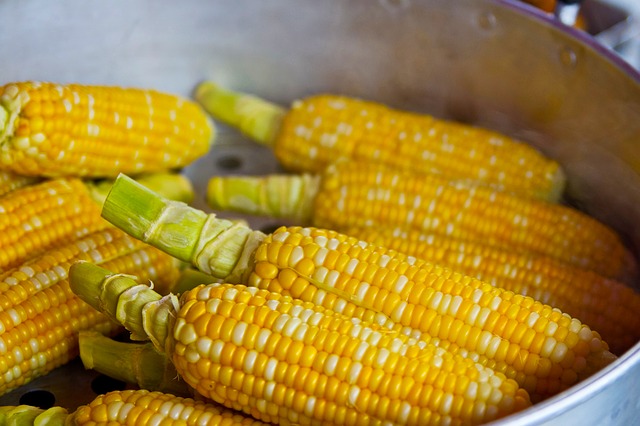
Corn Blood Group B Should Avoid
Each of these lectins affect the efficiency of Type Bs metabolic process, which results in fatigue, fluid retention and hypoglycemia. Hypoglycemia is characterized by severe drop in blood sugar level after eating a meal. This leads to tiredness/fatigue.

2. Wheat

Just like Type Os, Type Bs react to the gluten in wheat germ and products made from whole wheat. The gluten lectin adds to the problems caused by the other metabolism-slowing foods.
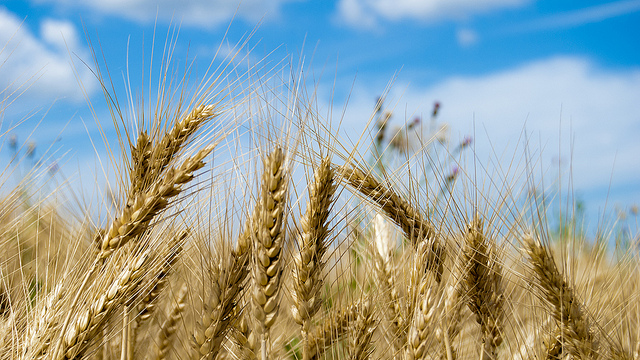
Wheat Blood Group B Should Avoid
“When food is not efficiently digested and burned as fuel for the body, it gets stored as fat.”

3. Chicken

You need to give up chicken. Why? Chicken contains a Blood Type B agglutinating lectin in its muscle tissue. Yes, this may not be easy to give up because chicken is already a part and parcel of many diets in this part of the world.

The agglutinating lectin attacks the bloodstream and potentially lead to strokes and immune disorders. Now, here is a good reason to let it go.
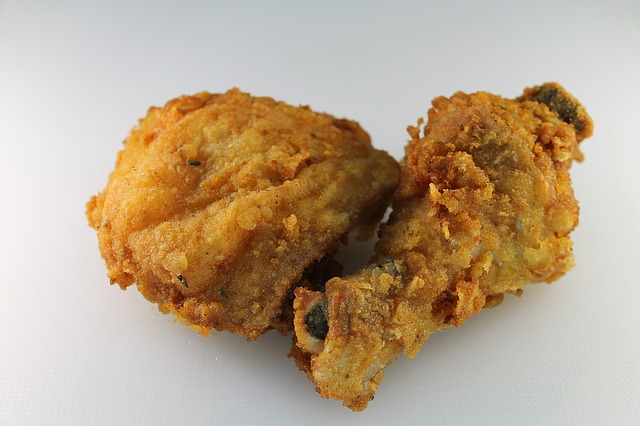
Chicken Blood Group B Should Avoid
If you are already too used to eating chicken, then you should explore other poultry options like turkey and pheasants. People have been told chicken is healthier than beef but this is not the case for Blood Type Bs.

4. Shellfish — Crab, Lobster, Shrimp, etc.

They contain lectins too. These lectins are disruptive to the type B system. This is not to say that you should run from sea foods. In fact, Type Bs thrive well on sea foods, especially fish such as cod and salmon, which are rich in nutritious oils.
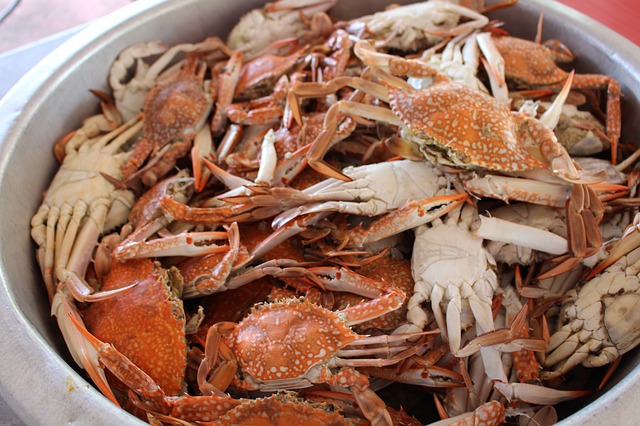
Shellfish Blood Group B Should Avoid

Other common ones to avoid include, Anchovy, Beluga, Butterfish, Clam, Crab, Crayfish, Eel, Frog, Herring, Octopus, Lobster, Mussel, Oyster, Salmon roe, Shrimp, Snail (escargot / Helix pomatia).

5. Nuts and Seeds

People with Blood Type B should avoid consumption of most nuts and seeds. Peanuts, sesame seeds and sunflower seeds contain lectin, which interfere with Type B insulin production.

Type Bs can eat some beans and legumes without any issue. However, beans such as lentils, pintos and black-eyed peas, contain lectins which interfere with Type B insulin production.
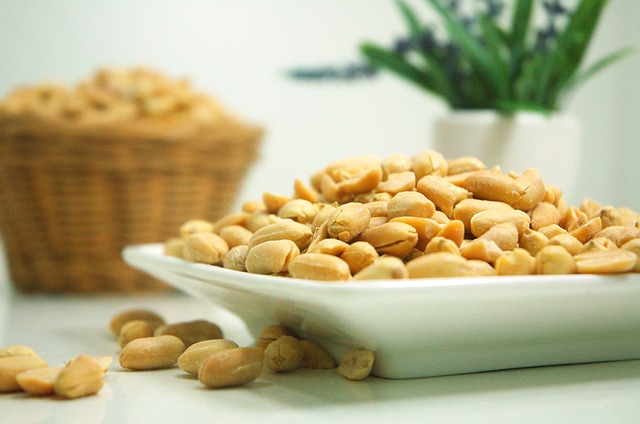
Nuts and Seeds Blood Group B Should Avoid

Some other seeds and nuts (and their products) to avoid include, Cashew, Hazelnut, Pistachio, Peanut butter, Pumpkin seed, Sesame seed, Sesame butter, Sunflower seed, Sunflower butter.

6. Tomatoes. Yes, Tomatoes!

According to Dr. Peter J. D’Adamo, author of the book, “Eat Right 4 Your Type”, Type Bs should eliminate tomatoes completely from their diet. “The tomato is are vegetable called a panhemaglutinan. This means that it contains lectins that can agglutinate every blood type.

While the tomato lectin has little effect on Type O and Type AB, both Type B and Type A suffer strong reactions, usually in form of irritations of the stomach lining.
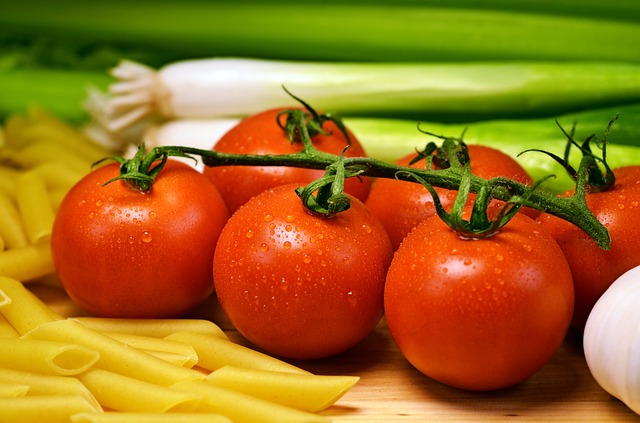
Tomatoes Blood Group B Should Avoid

I am not out here to spill everything in the book to you. I just noticed we in this part of the world consume these groups of food a lot. These are just some of the foods you should avoid.

Beyond the dark side, there is also a wide range of foods you can choose from to remain healthy. You may also be surprised that there are groups of food which Type Bs thrive on, but are no-go areas for other Blood groups.

If you would like to learn more about this. You should get yourself a copy of the book.
Categories
Food & Body

Foods That Keep Your Heart Healthy & Functioning Properly

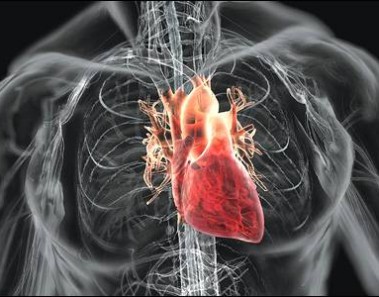
I don’t want to think there is anyone here who doesn’t know how much the importance of the heart is to the whole body. When the heart stops, then every other organ in the body dies sooner than later. In the next paragraph, I will quickly highlight the important functions of the heart in the body as a refresher or reminder.

human heart

The heart is an organ that functions as a pump for the movement of blood through the body. Different parts of the body require oxygen for proper functioning, the blood as we know carries oxygen from the lungs with it. It is important that oxygen gets to all parts of the body — the brain, muscles, in fact, all cells in the body. The heart does the job of pumping blood to these parts of the body. So, why wouldn’t you strive to keep your heart healthy?

It is not enough to just eat heart-healthy foods to have a heart that is healthy and functioning properly, we must also strive to minimize foods that have adverse effects on the heart. These types of foods have been implicated in cardiovascular heart diseases. We should try to minimize how much we consume them.

Top Heart-healthy Foods: Keep The Heart Functioning Properly.

Foods That Keep The Heart Functioning Properly

Walnuts:

Walnut again? Isn’t this walnut a super nut after all? We have mentioned it under different topics because of its health benefits and here it is again helping the heart. Eating about 140 grammes of walnut per week, reduces your risk of heart disease by half.

We mentioned in one of our articles about foods that help the brains by providing essential nutrients to it, that walnut is able to provide this function because it is very rich in omega-3 fatty acids. These are very good fats that reduces the level of your “bad-for-the-heart” LDL cholesterol and raise your “good” HDL cholesterol.

Almonds:

Almonds, just like walnuts is rich in these fats that help your heart by lowering the bad cholesterol levels. These types of healthy monounsaturated fats even help you lose fats when you eat them. Ironic huh?

Unsaturated fats are not just good for your heart, they offer another benefit by boosting serotonin levels during the day, which in turn help you sleep better at night. Add almonds to foods you snack on and enjoy these benefits. When I order my Ice Cream, I do with Almonds or Pecans.

Yoghurt and Milk

Yoghurt and Milk, especially the fat-free or low-fat types help reduce the pressure on the heart. Dairy products are known to be rich in Potassium – a mineral that has been linked to lowering the level of blood pressure.

When you consume low-fat or fat-free dairy or dairy products, you get little to no saturated fat, the kind of fat that can raise your bad cholesterol level. Other sources of Potassium are most fruits and vegetables. Examples include potato and banana.

The Bell Peppers

Thankfully, man soups cook in this part of the world usually contain the bell peppers blended with tomatoes, onions, etc. Many people just feel they add the red bell peppers in order to make the soup thick and redder in color. Yes, it does these things and makes the blend “attractive”.

The orange, yellow, and red colors of the bell peppers mean that they contain phytonutrients and additional antioxidants. These antioxidants help to make sure that our body can battle back free radical damage.

Garlic

Generally, we use Garlic as a flavouring for food but it has been used for a long time as a herb for medicinal purposes. It has been used for many conditions related to the heart and blood system. Some of these diseases include high blood pressure, high cholesterol, coronary heart disease, heart attack, and hardening of the arteries.

Apart from the fact that it can make the mouth smell, we should use garlic moderately and with  caution as it might prolong bleeding. Therefore you should stay away from garlic at least two weeks before a scheduled surgery and probably menstruation.

Green Tea

Green tea has been shown to help prevent cardiovascular heart diseases. A study carried out on 40,530 Japanese adults revealed that participants who drank more than five cups of green tea a day had a 26% lower risk of death from heart attack or stroke than those who drank less than one cup of this tea in a day.

Even though no adverse effect was reported in people that took the five or more cups of green tea, it should be noted that it contains oxalate, which can cause kidney stones. So, drinking tea moderately will still give you some health benefits.

Turmeric

Several studies have revealed that turmeric helps in maintaining heart health by reducing cholesterol oxidation, reducing plaque build-up, clot formation, reduce bad cholesterol (LDL), reduce pro-inflammatory response, etc.

Heart attacks are caused by atherosclerotic plaque buildup or high cholesterol levels, therefore, adding turmeric to your diet can help you reduce this risk by a great amount.

Categories
Food & Nutrition

Blood Food: Iron-rich Foods For Tiredness, Weakness, Irritations

The most common form of anaemia is the iron-deficiency anaemia. If you don’t know what that is, let me quickly define it. It is a decrease in the number of red blood cells caused by too little iron in your body. When we don’t have enough iron that is sufficient to produce enough haemoglobin, then there is a problem. From our high school Biology, we can recall that haemoglobin a substance in red blood cells that gives them the capacity to carry oxygen to the tissues in the body, including muscles and brain tissues. So, you see how important iron is.

Iron-rich foods can help combat this type of anaemia for us. Depletion of iron could occur for a number of reasons – In menstruating women, genitourinary blood loss often accounts for increased iron loss and hence requirements, blood donation results in the loss of 200 to 250 mg of iron.

List of Foods That Are Very Rich In Iron

How much iron the body needs daily depends on our age. Infants need more iron than adults, in general, because their bodies are growing at a more rapid rate. For children, boys and girls need the same amount of iron — 10 milligrams daily from ages 4 to 8, and 8 mg daily from ages 9 to 13.

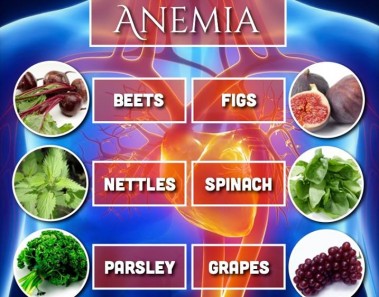
food for anaemia
Photo: heroic-health.com

For the purpose of this post, we are going to set the Daily value or minimum daily requirement at 18mg because this is the highest value for daily requirement for anyone. Oh, sorry I mentioned that women need more iron because they lose blood each month during their period. That’s why women from ages 19 to 50 need to get 18 mg of iron each on a daily basis, while men of the same age range can do with only 8 mg.

Below are list of foods that we should add to our diet to continue to sufficiently supply our body with the required amount of iron daily;

NEXT [2] :: Click Next for Food Number 1 That Boosts Blood…