Categories
Food & Body

Top Four (4) Foods With High Hidden Amount Of Sodium

There is no better time to discuss about the excessive consumption of salt in our societies than now. Many Nutritionist and other health professionals have been campaigning against high sodium content in our foods but yet, quite a high number of people are still embracing this ugly unhealthy habit leaving them at the edge of developing disease conditions ranging from high blood pressure and stroke to osteoporosis.

RECOMMENDED: Side Effects of Consuming Too Much Salt

On the other hand some people already know it’s best to stay clear of high-salt foods like spring rolls ad french fries, however, it is also critical for you to pay more attention on less obvious foods that are loaded with sodium.

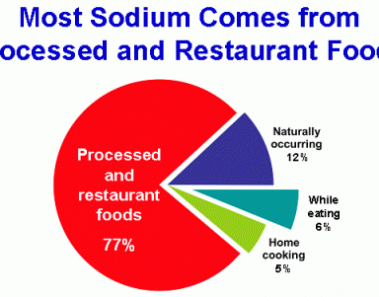
sodium_chart

Most Nigerians already consume more than the recommended daily intake of 2300mg per day based on added salt in our diets. So, you will be doing yourself grave harm by indulging in foods or snacks with high hidden amount of sodium. Let’s see some of the foods that made top of our list.

CANNED VEGETABLES:

Canned meat is usually seen as product with high sodium with serious attention not directed to canned veggies. Eating vegetable is definitely a healthy option but may manufacturers of canned vegetable have added higher amount of salt to help extend the shelf life of the product. The bottom line is to subscribe to eating fresh vegetable instead of canned ones.

BREAD:

Whole wheat bread is one food usually consumed particularly by health conscious people as it is high in fibre and provides lower calorie value. Having itemized this, it is important to check the labels of these bread brands to ascertain that the sodium level is less than 150mg per slice to avoid increasing your total daily sodium intake.

BREAKFAST CEREALS:

If you are a lover of the popular brand of breakfast cereals particularly the imported ones; then you stand a chance to have been funneling into your system high amount of sodium. I do agree that there is nothing better than a quick, easy to make breakfast but you must be careful with these hidden sodium amounts. With a common range of 150 to 300 mg of sodium per serving of some of these products, it will do you a lot of good to check the labels and ensure the sodium levels per serving is less than 150mg.

SPORT DRINKS:

A lot of my friends have turned sport drinks to soft drinks. They carelessly drink it even when they had not expended any serious energy like those who are in real sports.

Asides from the fact that these drinks contains high amount of sugar, they are also loaded with some sodium levels because the manufactures put into consideration the amount of sweat (loss of electrolyte too) loss during sporting activities and so created a drink that will replenish loss of electrolyte and fluid. My advise for you is that if you are thirty, please drink some water.

I do hope you find this helpful.
Categories
Food Processing

What To Do When You Add Too Much Salt To Food!

From simple errors to nonchalant culinary skills, many people have added more salt to their foods making the meals out rightly inconsumable. When this happens, a lot of people are unaware of simple methods or tricks that can be followed during the cooking period to reduce the saltiness of the foods before the meals are served.

In one of our previous articles, we have talked about the adverse effects of adding too much salt to foods. We also provided answers to the question of “how much salt is actually too much. Another post also showed us the best time during cooking to add salt to food to avoid over-salting of the food.

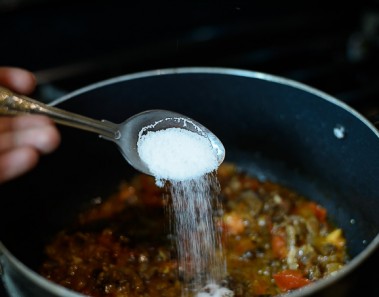
adding salt to stew

In many of the cases, water is usually added to the foods in a bit to reduce the salt concentration but this seems not to produce the desired result. To adequate remedy over saltiness, the following tricks could be adopted depending on your meal.

Add Some Slices Of Sweet Potatoes

This has been helpful and a few people who had tried it can attest to it. Have your potatoes sliced into big parts, rinse them and add into a salty soup. As the potato cooks, it will help absorb the salty water or solution of the soup thereby helping in balancing the saltiness. The potatoes can be removed after they had absorbed enough salt solution.

Add Some Liquid Milk

In fact, instead of adding some quantity of water particularly to soups and porridges, milk solution has been reported to perform and produce a better result in reducing the saltiness in the soups than water.

Rinse With Plenty Water

For boiled rice and yam, your best bet is to rinse the food over and over again to reduce the salt content before serving. In the case of meat, if you would eventually be adding them to a soup, you could avoid adding salt or cube seasonings to the soup. The salt in the meat might just be enough.

Add Some Quantity Of Sugar

This has to be carefully done to avoid excessive adding of sugar. Add sugar in small quantities and taste the food or soup to ascertain if there is a reduction in the level of saltiness. Once there is a remarkable reduction, it is advisable for you to stop adding sugar because excessive sugar in some types of food can ruin the original flavour of the food. The sugar to be added can be honey or white sugar.

Although the above-bulleted points are some of the tricks you can do to reduce saltiness in your meal, the most important thing is for you to remain careful as regards the quantity of salt you intend adding to your meals. That way there would be no need for these tricks.

ALSO SEE: The best time during cooking to add salt to food when cooking

Categories
Food Processing

Meat & Soup: At What Point of Cooking Should Salt Be Added?

Chefs all around the world have contradictory views as regards the timing of adding salt to foods during cooking. In fact, there is no record of any research that has shown and proven which time of salting is healthier or appropriate. Based on the controversies, I have decided to join the chain of food professionals to share my opinion in line with my training and experience as a food scientist.

adding salt to stew

Salting For Different Types of Food

I have also discovered that the process of salting actually differs for different foods but this time, my decision is only to write on these two meals (Meats and Soups) since they are regularly cooked in most house holds on daily basis. Before the emergence of refrigerator and other forms of preservation of foods, historically, the primary reason for adding of salt to food was for preservation. Flavour and taste was a secondary purpose. Lets see the appropriate timing to add salt to the two meals.

When, During Cooking Should You Add Salt To Meat?

I do not know if it is because we want to get things done quickly or it is the better way; what I see mostly is people adding salt to meat from the very start in addition to other additives like onions, MSG and other. When this is done, it tends to harden the meat. The addition of salt raises the boiling temperature thereby reducing the cooking time but less natural meat flavour is released as salting closes the pores of the meat.

Hey friends, I am particularly interested in the flavour of the meats when I am cooking. For me, I have adopted adding salt to my meats almost at the end of cooking. It provides an opportunity for the natural flavours of the meat to be produced. It also helps in reducing the amount of salt to be added which is healthier for high blood pressure patients.

ALSO SEE: Effect of too much salt on the body!

Salting of Soups and Stews:

The idea of adding salt at the start of cooking soups is fairly common among students but gradually creeping into the method of cooking by many house wives. In fact, it was in the University that I first notice this. Students are always in a rush. When you add salt at the start, as the soup thickens, only water is evaporated not salt, so you might likely end up with a slightly salty food as you would have added salt based on the initial volume of the soup.

It would be smarter to add salt much later into the cooking when the soup is almost at your desired thickness. That way, you will avoid salty food. Remember the daily requirement of sodium should not exceed 2300mg per day which is an equivalent of about 10grams of salt. To much salting due to adding at the start of cooking could raise your daily sodium level above 5000mg which is unacceptable.

ALSO SEE: How much salt is too much to consume per day?

I do believe some of you have contrary opinions and methods you have adopted for many years that have made your food a delight to your family. Please share with us if you agree or disagree with this write up.

Categories
Food & Body

Salt Causing Dark Spots On Albinos! Myth or Fact?

The 13th of June every year is the day set aside as the World Albinism Day in order to help fight the myth and wrong perceptions generally projected by those who do not have it against Albinos. Albinism is a congenital disorder (Birth disorder) which come to be due to lack of melanin in the skin, eyes and hair. Those with no melanin are called Albinos while those with little melanin are called albinoids. This is usually due to genetic interpretation in the body of parents of an albino. While this is the main cause of the condition, a lot of people give different assumptions. Some of them include; The parents of Albinos had intercourse in the hot afternoon, the child belongs to another father or the child is a representation of a certain god on earth. I cannot laugh enough.

Many Nigerians, even the older generation have regularly said to mothers of Albinos to avoid giving their Albino children salt or foods containing salt because it causes the proliferation of dark spots all over the skin of Albinos. Is this the reality or one of those myths that is used to stigmatize people living with albinism?

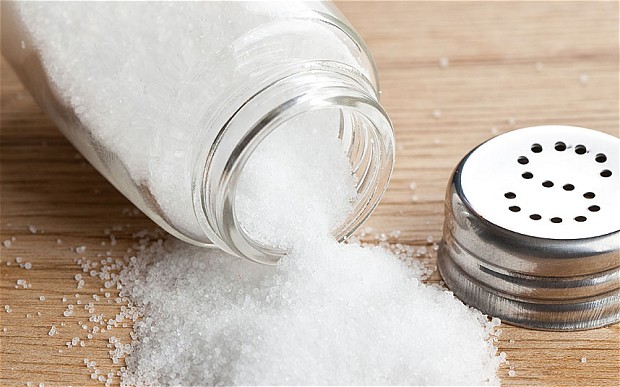
salt

As I pondered about this, I began to search, and I realised that there seem not to exist any fact on this claim. It was then I went further to consult with a few Albinos and their parents. All of them have this to say; Salt has nothing to do with the dark spot on the faces of Albino, I have included salt in the diet of my child since she was born without caution on the acceptable level as she ate same food with her siblings yet she is evenly coloured without dark spots. The reason for the dark spot is exposure to sunlight which causes sun burn. They emphasised that they did well to protect their children and self from excessive exposure to sunlight in order to have a non dark spotted skin.

While the afforementioned remains the opinion of Albinos and parents, I have also taken a stand to agree with their claims. If you avoid to add salt to the food of your Albino child, do not  forget a significant level of sodium is found in all our foods. The last reason that made me completely concur with this opinion was when I heard an Albino speak of his dark spotted skin on a radio show. He insisted that right from childhood her mum had avoided adding table salt yet he is dark spotted. He also said he had been exposed to sunlight when he was younger as he was always playing with other kids in the hot afternoon.

Let your Albino children maximise food options like other kids. Chocolates, biscuits, crackers, sharwama and other snacks contain a reasonable amount of salt and children regardless of their skin type, race and age would always love to have a bite. As your child grows up, you do not want them to develop a condition of hypotension due to low level of sodium which can be very dangerous. I am not saying you should include salt without caution into their diets. Moderation does it.

Although, no scientific fact has explained if salt contributes to this or not but clearly from consultations it shows that it might just be a myth.

If you are an Albino or you know anyone who is an Albino or you are a parent of an Albino, please we would like you to share your opinions to help educate others.

FoodsNG says: #STOPTHESTIGMATISATIONAGAINSTALBINOS

Categories
Food & Body

Here Is How Drinking Much Water Could Be Bad For You

Hey friends, do you feel you are brave enough to go against the most popular health belief? If yes, your body just might thank you for that decision. It is no longer news that nutrition and health professionals regularly encourage people to drink plenty water to prevent dehydration and other conditions associated with reduced water intake. Before I continue with my article on the dangers associated with drinking plenty water, please, take your time to read the disaster that struck this woman.

On January 12, 2007, a 28-year old Californian wife and mother of three children died from drinking too much water. Her body was found in her home shortly after she took part in a water-drinking contest that was sponsored by a local radio show. Entitled “Hold Your Wee For A Wii”, the contest promoters promised a free Wii video game machine to the contestant who drank the most water without urinating. It is estimated that the woman who died drank approximately 2 gallons of water during the contest. When she and other contestants complained of discomfort and showed visible signs of distress, they were laughed at by the promoters and even heckled. Eventually she died. This was reported by Wikipedia.

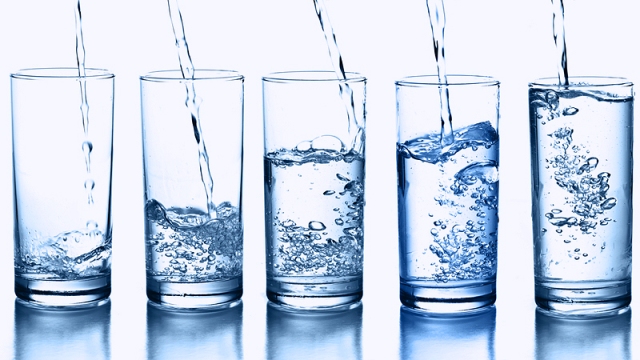
glasses of water

The big question is: Could too much of a good thing be bad?

THE SHORT ANSWER IS:  YES, Just like any other food items we consume, water and other fluids taken at excessive amount can lead to water intoxication which could lead to death.

I have got few questions to ask you

  • Is your urine usually clear all through the day?
  • Do you always wake up about two to three times at night when you sleep to urinate?
  • Do you urinate up to 6-8 times during the day?

If you answer yes to two or more of the questions above then you are likely drinking more water than you need.  Another condition you might be fight with is diabetes because your body might be responding to the high glucose in your blood and trying to flush them out with more water. So, you tend to drink more. You could go for a check-up.

What is water intoxication?: This is otherwise referred to hyponatremia, a condition which results when too much water is taken within a short period of time. The effect can be fatal.

What happens when you drink too much water?

The kidney is the organ that handles liquid control within our body. When a person drinks too much water the kidneys cannot flush it out as a result of the pressure placed on it within that same time frame. So, it causes the excess water to remain in the blood. Once this happens, the water dilutes the concentration of electrolytes in the blood compared to those in the cells and later a balance is triggered which leads to water entering the body cells and cause them to swell. When the brain cells begin to swell the situation can turn lethal speedily. Remember, the major parts of your kidney can be subjected to wear and tear as times go on if you continue in this habit of over stressing your kidney to perform filtration processes which is not advisable.

What quantity of water should I drink?

Personally, I feel the drink 8 glasses of water a day is not a bad rule but at present, there is no scientific backing to this claims except the perceptions of health expert. While it is not completely out of place to subscribe to this, a number of factors should determine the quantity of water you drink daily to keep you healthy.

The quantity of water you drink depends on your peculiar condition. Geographical location, diets, and exercises are very key. Take for instance, an individual who resides in a sunny area most likely will drink more water than people who live in cold places. If you consume more water loaded foods like fruits and vegetable, there is no need for you drinking much water again. In the same vein, if you do not use salt enough in your meals, the level of water you drink should reduce because you do not want to alter the sodium level of your system by dilution and vice versa. If you are the type that exercises and sweat a lot, you might need to drink more than 8 glasses daily but not consuming a high volume within a short period.

ALSO SEE: The Dangers of Cooking Food With Too Much Salt

It is important to allow your sense of thirst to work more often rather than killing it. When you eat, take a reasonable amount of water to help in digestion, not the volume that will make you wee minutes later.

Do you wonder why alcohol drinkers have been found to have kidney dysfunction? It is because of the volume of the fluid intake usually funnelled in their bodies within a short period. Most of them urinate about three times within this period – subjecting the kidney to unnecessary pressure. Same effect happens when you adopt drinking plenty litres of water without caution.

YES, A GOOD THING CAN BE BAD FOR YOU. TAKE CAUTION. WATER IS IMPORTANT AND NECESSARY FOR YOUR BODY BUT BE CAREFUL HOW MUCH YOU TAKE.