
Categories
Food & Body

Foods That Cause Underarm (Armpit) Sweating

There are foods that cause or aggravate underarm or armpit sweating. I grew up not having any issues like this and I was even so used to warm environments. While my siblings and every other person would complain of heat and sweat profusely, I would be comfortable with any sweats. This, however, changed about a year ago and it was very strange.

This was strange — not because I started sweating — but because I started producing only underarm sweats. Even while drive or work in the office with the air conditioners on, I still sweat in the armpit and sometimes, the whole underarm part.

sweaty armpits
Photo Credit: returnofkings.com

This was not only troubling for me but also embarrassing. Sometimes, I already had the sweat marks on my shirt even before getting to the office. It made me very uncomfortable and to avoid some situations like giving presentations where it required raising my arms.

Finding Solutions To Underarm Sweating

Immediately this I noticed this issue, I went to the supermarket to buy an antiperspirant. I would not like to start mentioning brand names but I moved from one antiperspirant to the other with no results. At a point, I stopped and started using dusting powder — there was still no result.

I thought for it long and I thought food might contribute to underarm sweating. I needed facts, so I went online to do some searching. I saw a lot of information on foods that cause sweating in the armpit and listed them. I experimented with these foods by systematically substituting them from my diet and I finally came up with a list.

The list contains the foods that cause underarm sweating for me when I eat them consistently.

Caffeine In Coffee and Tea:

This is the number one food for me. I figured that I started taking coffee a lot around that time because I needed to work extra to meet some targets I set for myself.

I would drink coffee in the morning, afternoon and night, preparing it with cold, warm and hot water at will. At times I even chewed the 3-in-1 sachet coffees raw from the sachets.

Coffee drink

After reducing coffee in my diet, the underarm sweating reduced. It only came when I worked myself a little extra. This was unlike before that it came even while inside the air-conditioned area.

I did research on this and found that Coffee has been reported to cause sweating in general. The caffeine in coffee, tea, some sodas, and chocolate powerfully activates the sympathetic nervous system to cause sweating.

Chili Pepper:

A large population of Nigeria likes to eat pepper like this. Many even find foods that do not contain pepper like this as nauseating and tend to avoid them. Some even have a saying that only weak minds don’t eat pepper like this.

I read that Chili Pepper contributes to underarm sweating and I reduced it a lot in foods I cooked myself. I saw some change in the sweating too while I increased coffee and reduced Chili. At that point, it became a habit to read the labels of foods and sometimes ask attendants in eateries and restaurants of they use chill pepper.
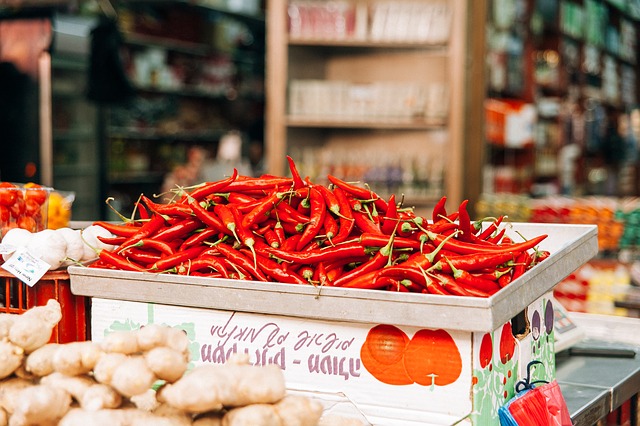
Chilli Pepper

Chili peppers may overstimulate your sweat glands, so, reduce how much of it you take.

How Alcohol Causes Sweating In The Underarm

Alcoholic drinks cause sweating all over the body, but for some, it is more in the armpit. The liver does the breakdown of any alcohol in the drinks we take. However, the liver can only break down a limited amount of alcohol in an hour – approximately one 12-ounce serving of beer or about 5 ounces of wine.

alcohol bottles

Many people don’t know this and drink any volume they feel like. When one consumes alcohol at a faster rate than that stated above, accumulation of the substance takes place in the blood. This leads to side effects, one of which is sweating.

Other foods that have been reported to cause sweating include hot soups, bell peppers, garlic, and onion. You need to observe what you eat and see what foods cause it for you.

ALSO SEE: Why Women Are Attracted To Men Who Eat Garlic?

Categories
Food & Body

Foods That Help You Get A Good Night’s Sleep

Sleeplessness is a condition that is fast becoming common in the lives of many and a whole lot of the people struggling with these are completely unaware that foods can actually be helpful in triggering drowsiness or sleepiness. The unhealthy thing about this condition which is technically called insomnia is that it affects the entire body function and activities.

Tiredness, sluggishness, and moodiness could become your daily expressions. It has even been reported based  on various researches that certain minerals are critical in the  remedy  of insomnia.

foods that help you sleep
Photo: health.usnews.com

Ask a  few of your friends or colleagues – How was your night? Did you sleep well? I bet many of them will tell you that they had a difficult time sleeping. Usually, so many factors are involved but foods can be a good remedy especially if you consume the foods at dinner. Let’s check some of the foods that can help induce sleep.

1. Herbal Tea:

Herbal Tea is one of the foods that has been helpful in making people get some sleep for many decades. In fact, there are many tea varieties that make people be more sleepy. These teas are known to put the body in a relaxed state.  A popular herbal tea known to be effective is chamomile tea.

A cup of tea before bed will help you relax and fall asleep faster.  Lemongrass tea is also known for helping you fall asleep. Caffeinated teas should be avoided as you all know they work in the opposite direction.

2. Yoghurt:

Dairy products are loaded with calcium and yogurt can be helpful in removing the stress out of your body and this helps you fall asleep more easily.  Calcium helps the brain make use of a certain amino acid called tryptophan to manufacture a sleep-inducing substance called melatonin.

yoghurt

This explains why dairy products, which contain both tryptophan and calcium, are one of the top sleep-inducing foods.  It is not advisable to consume whole milk products because they are not better tolerated at bedtime compared to healthy bacteria loaded yoghurt.

When taking Yoghurts, go for the quality brands that produce real yoghurt. See how to know those good yoghurts here (opens in new tab).

3. Banans:

Banana is a super night snack particularly for those hoping to gain few pounds of flesh. Asides this, research has shown that a certain mineral such as magnesium is effective as a natural remedy for insomnia.

A lack of this mineral may cause you to wake up after a few hours and not return to sleep. Other magnesium-rich foods include spinach, nuts, seeds, fish and whole grains. Fortunately, it is one of the foods you can healthily snack on at night.

4. Fish

We have said so much about fish before. As a person, I prefer fish to meat. They contain more nutrients and the fats in many of them are the healthy type and more beneficial. There is no way we want to look at it, eating fish is better than eating meat.

Oily fish

Most fish—and especially salmon and tuna—have a significant amount of vitamin B6. Vitamin B6 is needed to make melatonin – a sleep-inducing hormone triggered by darkness. This has also been confirmed by an article published in the Annals of the New York Academy of Sciences.

5. Almonds and nuts rich in Magnesium

Almonds contain tryptophan and magnesium. These two components help to naturally reduce muscle and nerve function while also steadying your heart rhythm. You would note that many of the foods we have mentioned above too either have magnesium or tryptophan.

almonds

Other nuts and seeds that are rich in magnesium include, almonds, sunflower seeds, Brazil nuts, cashews, pine nuts, flaxseed, and pecans.

You may want to add these nuts to your diet. They are even easy to snack on at night before you go to bed. They will relax you and help induce a good night sleep.

6. Sound Night Sleep? Eat Cherries!

I have heard and read uncountable times that the best way to get a good night’s sleep is to increase your melatonin intake. We talked about this melatonin under yoghurt as a sleep-inducing substance. Some other foods foods other than yoghurt contain it too.

Cherries, along with nuts and oats, are a natural source of melatonin and, when eaten regularly, can help regulate your sleep cycle. I guess this is why some people would ask that you add coffee to their oat when they take it as breakfast – they don’t want to be sleeping about.

People have reported that alcohol and milk chocolate help them sleep but I wouldn’t recommend that. Alcohol makes you wake up with a hangover and you don’t want to eat chocolate just before going to bed.

7. Honey

It has been found that honey contains glucose, which tells your brain to shut off orexin. Orexin is the chemical that is known to trigger alertness. So, when glucose tells your brain to stop the supply of orexin, you become less alert (somewhat dull) and feel sleepy.

When you are taking honey for this purpose, you should not overdo it. One tablespoon for a good night’s sleep is more than enough. Make sure you get the real honey though. See how to identify real honey.

Please note, you should avoid eating heavily at night particularly close to bed time as it will affect your sleepiness. Other foods that I find to be effective in inducing sleepiness include garri, potatoes and some other carbohydrate loaded foods.

Understand the saying “different strokes for different folks”. What works for someone might not work for the other. So, we would like to hear from you to share foods that you eat which triggers sleepiness.