Many people just want to eat and do not care to know about what they are eating. This is one of the reasons people gain weight and later wonder why they are accumulating fat. We need to know the composition of the foods we eat so that we choose what is good for us and what is not. Some people have eaten foods that landed them in hospitals because they have refused to check the precautionary statements written of food packs.
Food laws have made correct and complete labeling a very important part of food manufacturing. Manufacturers are required by law to add labels to food packages to be a source of information that consumers like and trust. Since 2006, the major food allergens are required to be specifically noted on the Information Panel of the food label (i.e., fish, milk, soybeans, wheat, eggs, shellfish, tree nuts, and peanuts).
There are symbols that are printed on food packs to pass information to the consumer but often we either don’t check them or simply disregard them. This article will show you ten symbols or signs that you may have come across on food packages in the past. If you have not seen any of them before, you would likely come across it in the future. If and when you do, you would know the meaning.
11 Signs And Symbols On Food And Their Meaning
1. Microwavable or Microwave Safe Symbol
Manufacturers may use any of the above terminologies as they both mean the same thing. In one of my previous articles where I answered the question of “if microwaved foods are safe to eat or not“, I mentioned that there are plastics that are safe for use in the microwave. These plastics do not have toxic components that migrate into the food during microwaving.

So, how do you know if a plastic container is microwavable? The easiest way to confirm that a plastic container is safe for the microwave is to look for the Microwave Safe symbol on it. This stamp of approval, which includes three wavy lines to symbolize radiation (image above), basically says that the container can withstand the heat of the microwave without melting or releasing harmful amounts of chemicals.
2. Nutritional Compass or Nutritional Facts
Apart from the list of ingredients that make up a food product, most packaged food must have a listing of nutrients and related information on the Information Panel that is usually on the side or rear of the package. These would normally include such information as serving size, calories, fat, carbohydrates, sodium, protein compositions.

Claims such as “low fat,” “high fiber,” “reduced calories,” and “cholesterol-free” are also included on food packages as information to consumers who may have concerns about these components.
3. Suitable for Vegetarians Symbol
The Vegetarian Society defines a vegetarian as ‘someone living on a diet of grains, pulses, nuts, seeds, vegetables and fruits with or without the use of dairy products and eggs (preferably free-range).’ Having defined this, you should know that vegetarians try to stick with their veggies without adding animal foods to eat.
Since they are not part of the manufacturing of some of the foods they eat, they want to be sure that what they want to buy or eat is suitable for vegetarians’ consumption.
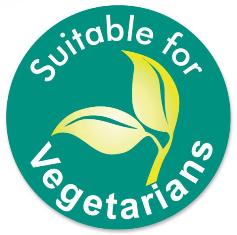
However, the ‘Suitable for Vegetarians’ logo is not regulated. It is a ‘voluntary claim’, which means it is illegal for the labeling information to include anything that is false or likely to mislead. The symbol is shown above.
4. Treated with Irradiation (Radura logo)
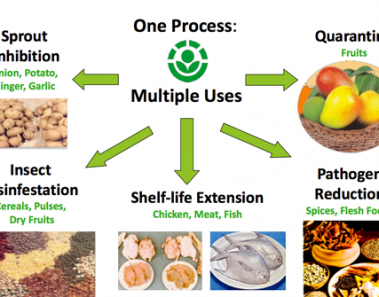
For foods that have been treated with ionizing radiations, the Radura symbol comes along with the statement “Treated with radiation” or “Treated by irradiation” on the food label. With this, identifying irradiated food has been made very easy by binding food laws. These laws are also very strict.
There are many concerns over the consumption of irradiated foods and one of such is this that I shared on one of my recent posts assessing the safety of irradiated foods;
It states, “When food is exposed to high doses of ionising radiation, the chemical composition and nutritional content of food can change. Radiolytic by-products are often formed in irradiated food. Very few of these chemicals have been adequately studied for toxicity. One such chemical – 2-DCB – can cause DNA damage in rat colon cells at high doses.”

Whether irradiated foods are safe or not is not the subject of this article, you can read further on that by clicking here. Whatever decision you make for yourself on irradiated foods – whether to eat it or not, identifying irradiated foods is easy with the above logo.
5. Allergen declaration
Allergen declarations are mostly precautionary statements on food informing consumers that the food may have a component that one could be allergic to. I wrote on allergies not long ago and also mentioned some of the common allergens in food.
Gluten in wheat flour could be an allergen, people could be intolerant to lactose and find it difficult to digest milk. Other common food allergens include Crustaceans, Eggs, Fish, Peanut, Soybeans, Tree Nuts, and Sesame seeds. You can read more about that here.

There are instances where symbols are used to declare the absence of an allergen. For example, gluten-free symbol (above) is relatively common.
6. Organic labelling
These are used on organic foods and its use is totally voluntary. The food must be organic up to a particular percentage before an organic claim or statement could be made on the label. For example, In Canada the use of the organic logo is only permitted on products that have an organic content that is greater than or equal to 95% and have been certified according to the requirements of the Canada Organic Regime.

Above, is the organic food label! There are food that the manufacturer will want you to keep frozen. There is a logo that indicates that. See on next page.
7. Keep Frozen symbol
This symbol tells you to keep food frozen in order to keep the quality and shelf life for longer period. Some food materials will deteriorate rapidly if stored at normal room temperature. This symbol usually looks like the one below.
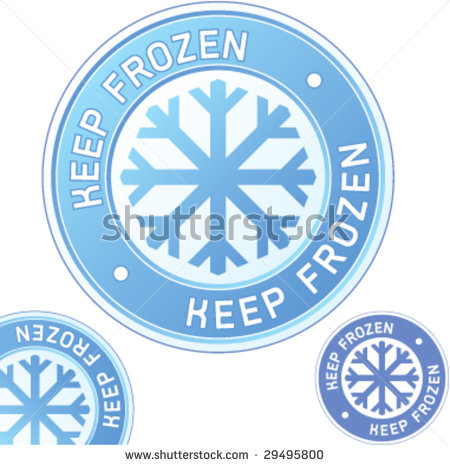
Food such as butter and margarine can be frozen for 3 months. Grated cheese can be frozen for up to 4 months and can be used straight from the freezer. These are examples of common foods that we may see the symbol on.
8. Waste Disposal Symbol
This symbol is used on many products other than food packages also. It is usually called the Tidyman. It tells you to dispose of this packaging carefully and thoughtfully. Do not litter. Throw them in thrash cans after you and not litter the ground with it.

Above is the symbol telling you to properly dispose of your food packaging.
9. The Mobius Loop (Recycle)
The Mobius loop can be used for two different terminologies that should not be confused with each other because they both refer to recycling. I will explain the two briefly and put the symbol too.

The Mobius loop indicates that an object is capable of being recycled – not that the object has been recycled or will be accepted in all recycling collection systems. Sometimes this symbol is used to indicate that the packaging is a product of recycling. It could come with a percentage figure in the middle to explain that the packaging contains x% of recycled material.
10. Halal logo
According to the Codex Alimentarius (Food Laws) of the Food and Agriculture Organization (FAO), Halal food means food permitted under the Islamic Law. The animal to be slaughtered should be lawful according to Islamic law. The food should be prepared, processed, packaged, transported and stored in such a manner that it complies with the Codex General Principles on Food Hygiene and other relevant Codex Standards.
Muslims don’t eat pork, Halal logo may also indicate that the food does not contain pork or a product of it such as fat. It generally tells Muslims that the food does not contain anything they are prohibited from eating.

When a claim is made that a food is halal, the word halal or equivalent terms or symbol (as above) should appear on the label.
11. Bar Code on Food Pack
Just about every package of food you have ever purchased or seen has a bar code printed on it but we just don’t bother to check them or see the information they contain. The bar code has more information beyond what many people think.
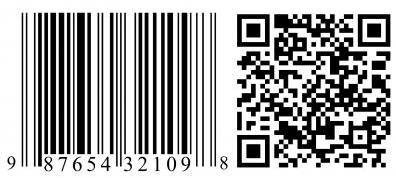
When the barcode is scanned, the computer system automatically determines if the product need re-ordering. This is a piece of information that could be very useful to supermarket owners. The price of the product appears when the barcode is scanned. It can also be used to determine if the product is genuine.
These are some of the important and relatively common symbols on our food packages that we should pay more attention to.
IN THE NEWS: Scientists Found A Way To Cook Rice To Reduce Calories In It