Categories
Food & Nutrition

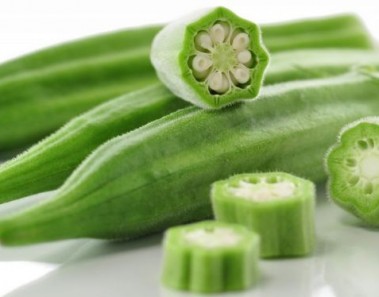
Here Is What Okra Does To Pregnant Women [Must Read]

I have come to realize that people pay paltry attention to foods that are common or rather cheap. They prefer to buy ones that are expensive while believing they are more nutritious. So is the case of this finger like, readily available vegetable called okra. Sometimes this is a complete misconception.  This versatile vegetable can be added and prepared with other vegetables to suit your appetite. In this short post, I will be sharing with you why pregnant women should include servings of okra into their diets at recommended allowance before and during pregnancy.

The economy of our country has affected everything. Gone are those days when couples plan to get pregnant. Now, they only wake up to visit the clinic to find out from the Medical Doctor that the wife is pregnant without having a serious intention for the unborn baby.

fresh okra

It is essential that prior to pregnancy and during pregnancy, the woman ought to change her eating habits and consume certain foods that help the health of a pregnant woman. One of such foods is Okra vegetable. I have been privilege to work with children with developmental challenges. Asides from other complications which could lead to some of these developmental conditions, lack of folate or folic acid in a woman’s diet can cause Neutral Tube Defects such as Hydrocephalus and Spina Bifida. These are not common birth defects but children with these conditions exist. Okra contains a reasonable amount of folate which helps in reducing the chances of a pregnant woman producing a baby with these conditions.

RECOMMENDED READING: Know more about Folic acid & Its Benefits

Besides being high in folate, Okra is low in calories and loaded with plenty vitamins such as A, thiamine, B6, C, riboflavin and minerals such as calcium, zinc and dietary fiber.  The fibre helps in preventing constipation, while the low calorie of the vegetable helps in proper weight management during pregnancy. While no one should lose weight during pregnancy, it is essential to avoid being obese. It is clearly unhealthy.

Ensure you properly wash your okra vegetable to avoid contaminants and you cook them under low heat to avoid loss of nutrients that are essential in the proper development of the foetus.

Okra Nutritional value per 100 g

Energy                             30 kcal 150 kJ

Carbohydrates               7.6 g

Dietary fiber                    3.2 g

Fat                                    0.1g

Protein                             2.0 g

Folate                              (Vit. B9) 87.8g 22%

Vitamin C                        21 mg 35%

Calcium                          75 mg 8%

Magnesium                   57 mg 15%

Vitamin A                      (660 IU)

Percentages are relative to US recommendations for adults.

Source: Wikipedia
Categories
Food & Body Food & Nutrition

Skimmed vs Full Cream Milk: Which Is Good For Your Health?

Some days back, I wrote an article explaining the differences between skimmed milk and full cream milk or what some prefer to call whole milk. The major difference between them, I said, is the amount of fat that is present in them – skim or skimmed milk has had all or most of its fat removed while whole milk has all the fat that should be present in milk. This is where I am going to start the discussion for today.

Which is better: Skimmed Milk or Whole Milk?

I have read publications in which some experts proposed that people who are looking to shed weight should stay away from full cream milk. They said the fat that is present in the milk will only contribute to addition of more calories to the body and since skimmed milk contain almost the same amount of nutrients other than the fat that has been removed, they should go for that. This may only be true in an absolute sense.

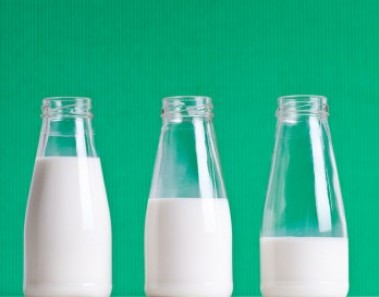
whole milk skim milk

First of all, I would like to say that there are Vitamins that are present in the fat that was removed. These vitamins – A, D, E and K, are called the fat-soluble vitamins. They are so called because they are dissolved in the fat and they are only present when the fat is present. So, this could count as a thumb down for skimmed milk.

Secondly, reduced-fat milk and other drinks may not be as filling as those containing fat, so consumers may end up compensating for the lack of calories and eating or drinking more. Often, they tend to compensate with carbs that add more calories than the full cream milk would have added.

Dr. David Ludwig, director of the New Balance Foundation Obesity Prevention Center at Boston Children’s Hospital said to Time’s Healthland, “We are not arguing milk should be abandoned. For kids who are consuming diets that are high in calories and low in nutrients, milk can provide lots of needed nutrients — like calcium. Somehow this low-fat milk has become so entrenched in the nutritional psyche, it persists despite the absence of evidence. To the contrary, the evidence that now exists suggests an adverse effect of reduced-fat milk.”

While you have also been probably always been informed to drink reduced-fat milk because of the calories, evidence from the majority of recent scientific studies show that drinking whole milk actually improves cholesterol levels, just not as much as drinking skim does.

Let me also give this to the men reading this post; women can also tell their boyfriends or husbands about this. If you like to build your muscle, whole milk may be your best choice: Scientists at the University of Texas medical branch in Galveston found that drinking whole milk after lifting weights boosted muscle protein synthesis—an indicator of muscle growth—2.8 times more than drinking skim did.

I believe those that are looking to reduce their weight may take skimmed milk, only if they can resist the temptations that come after as discussed above. Since it doesn’t give the filling effect that whole milk gives, you may be tempted to eat foods that will eventually add more calories to your body. Also, the fat-soluble vitamins may never be available to you if you keep avoiding fat. You get them in fatty foods, so why not take the ones in milk fat that has been shown to be more beneficial to the body? Some of these issues were addressed in one of our articles that talked about why no fat, no fruits, one meal a day diet is not appropriate for weight loss.

You know what my own recommendation is? Take whole milk.

Categories
Food & Nutrition

Questions On Cow Skin’s (Ponmo) Nutritional Value Answered

Cowskin in local parlance in Nigeria is called “pomo” (sometimes spelled as Ponmo). I prefer to choose the latter. In Nigeria and many other developing countries where the skin of cows and other animals like sheep and goats are separated and sold separately, it is mainly due to poverty. The cost of beef has led to more people opting for cow skin, which is a lot cheaper. Please be informed that the cow skin is subjected to some form of treatment by the processors before it is being sold as Ponmo. That is not the subject of this discussion.

ponmo cow skin

Before I talk about the nutritional value of ponmo (cow skin), I want to just share this with you on a lighter mood; a news article published by the BBC about cow skin and Nigeria sometimes in the year was titled “Nigeria eats its shoe leather”. Yes, we eat so much of ponmo that we have no cow skin left for the leather industry. In the article, Dr. Samuel Achi, the provost of Federal College of Chemical and Leather Technology, Zaria, noted that “pomo eaters have decided to walk on bare feet because they have decided to eat their own shoes in their pots”.

So, Is Cow Skin (Ponmo) Nutritious?

In most developed countries of the world, cow skin is generally not used as food. Hence, there are little or no research works on the nutritional value of cow skin. A large proportion of the cow skins are being shipped to the leather industry where they are converted to shoes, cloth and more.

RECOMMENDED: Every Animal Meat Is Not Beef! See All Their Names.

There is limited information on the nutrients available in Ponmo. The only authoritative article you would see online is seen on PunchNG in a news article that reported events at the third joint anniversary of the Animal Science Association of Nigeria and the Nigeria Institute of Animal Science, held at the University of Ibadan in 2014.

The Minister of Agriculture and Rural Development, Dr. Akinwunmi Adesina, also spoke at the event entitled, “Value addition in the Nigerian livestock industry: A strategy for economic growth and stakeholders’ empowerment.”

The article on PunchNG and other sources reported the nutritional benefits of ponmo as follows:

The nutritional analysis of a 40 gram piece of ponmo is:

Calories (150g); Total fat (4g); Saturated fat (1g); Poly saturated fat (0g); Mono saturated fat (0g); Trans fat (0g); Cholesterol (0g); Sodium (0mg); Potassium (0mg); Total carbohydrate (0g);

Dietary fibre (0g); Sugars (0 per cent); Proteins (0 per cent); Vitamin A (0 per cent); Vitamin C (0 per cent); Calcium (0 per cent); Iron (0 per cent).

From this analysis, you will see that ponmo is lacking in all essential nutrients. However, I have seen adverts by some food processors/manufacturers in China who claim to make nutritional kpomo or ponmo. They claim to have fortified the cow skin with essential nutrients. I have nothing to back up their claims.

It has also been pointed out by some people that it may just contain some protein. Yes, collagen is a protein in skin, muscle and meat of animals but for those of us that know, there is something called Protein Quality. Collagen is not a complete protein because it is lacking in the amino acid tryptophan.

Although Collagen has a lot of applications in medicine and food industry (e.g. making gelatin), from a nutritional point of view, collagen and gelatin are poor-quality sole source of protein since they do not contain all the essential amino acids in the proportions that the human body requires—they are not ‘complete proteins’.

ALSO READ: NAFDAC Warns Against Eating Imported Chicken, Turkey

Categories
Food & Nutrition

Cucumber And How It Improves Your Health

I cannot but remember when I had a patient with protruded belly and how we were able to achieve a remarkable result with cucumber. We came up with juicing up the melon and adding some oranges to it. It was really nice to taste. No wonder the 53 year old man lost a significant amount of weight after weeks of nutritional intervention. Clearly, very few people know the nutritional and health benefits of this green coloured vegetable. They prefer to consume fruits with sweeter taste. Fresh cucumber may taste “bland” to some but its thirst-quenching and cooling properties are refreshing and soothing.

What To Watch Out For In Choosing Your Cucumber

In order to maximise the nutrients in cucumber, it is important to choose the ones that still possess the green colour. You should avoid the yellow coloured cucumber. A yellow cucumber can also be the result of a virus, too much water, or a nutrient imbalance. Look for cucumbers with a bright, even colour of skin without dullness or sweating. The cucumber should look fresh. You have to test the firmness of the cucumber. A good cucumber is firm and does not bend. This firmness should be right through to the tips of the cucumber. Look for a fleshy cucumber but not too large in size. Smaller cucumbers have been found to be crisper and have finer seeds, making them more appealing to many children. Do not buy cucumbers that have blemishes, soft spots or yellowing.

Nutritional Benefits Of Cucumber

No doubt, cucumber has an impressive amount of water (about 95%), which makes it superior in dealing with dehydration compared to some other fruits. When you consume it, there is no need to peel off its skin as it contains a high percentage of vitamins A.

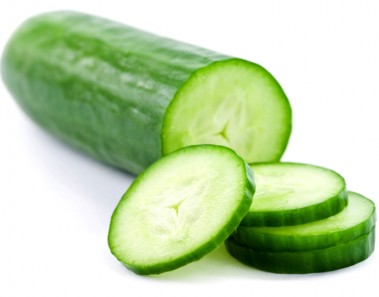
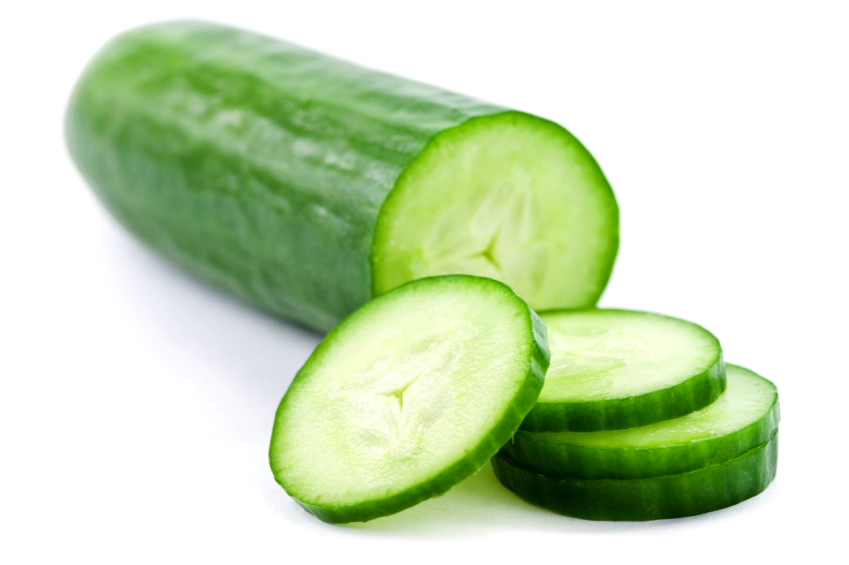
cucumber on the white background

Cucumber has an excellent source of vitamin A and C; two water soluble vitamins that are effective anti oxidants that helps in fighting infections and diseases.

Beauty practitioners have been able to utilize this vegetable in facial treatment. No wonder slices of it are placed on clients’ eyes and faces. Cucumber contains caffeic acid that helps prevent water retention. This acid prevents against swollen eyes. Its anti inflammatory property is excellent. Give it a try.

Researchers have taken time to study the presence of unique polyphenols in plants called lignans, and these health-benefiting substances have been studied extensively in cruciferous vegetables (like broccoli or cabbage) and allium vegetables (like onion or garlic). Thanks to hard working scientist who took out time to find out the lignan content in other vegetables like Cucumber. It is now known that Cucumber contains lariciresinol, pinoresinol, and secoisolariciresinol. These three lignans have a strong history of research in connection with reduced risk of several cancer types, including breast cancer, ovarian cancer, uterine cancer and prostate cancer.

Remember earlier that I spoke of how effective cucumber worked magic in managing the weight of one of my clients. This is no joke. It’s superb in weight loss and proper digestion – Due to its low calorie and high water content, cucumber is an ideal diet for people who are looking for weight loss. The high water content and dietary fiber in cucumbers are very effective in ridding the body of toxins from the digestive system, aiding digestion. Daily consumption of cucumbers can be regarded as a remedy for chronic constipation due to high fibre content.

While the cure of diabetes is not yet known, the proper management of this ailment is critical. Cucumber juice contains a hormone which is needed by the cells of the pancreas for producing insulin which has been found to be beneficial to diabetic patients.

Cucumbers contain loads of potassium, magnesium and dietary fiber. They all work effectively for regulating blood pressure. This combination of minerals makes cucumbers good for treating both low blood pressure and high blood pressure.

I am sure you know better on how Cucumber can help improve your health. If you find this article helpful, do not forget to share with your families, friends and loved ones.

Go Cucumber!

Categories
Food & Nutrition Knowledgebase

Differences Between Full Cream Milk And Skimmed Milk

When many of us go to the market or grocery stores to buy our Milk, we buy based on the brands that we like and do not take nutrition into consideration most times. Many of us have the impression that milk is milk and do not know that different manufacturers pack different types of milk for sale. Maybe if we understand that the different milks are not the same in composition and hence have different effect on our health, you would consider looking at that milk container when next you hit the grocery store.

If you have ever bothered to check the containers/labels of milk, I am sure you would have come across terms such as skim or skimmed milk and full cream milk or simply cream milk. They mean different thing and thus have slightly different taste (if you can sense that) and different health benefits.

whole milk skim milk

The Differences Between Skimmed Milk & Full Cream Milk

Okay, let me start by giving a short description of milk. It is a whitish nutritious liquid secreted by the mammary gland of mammals and has a lot of health benefits. All mammals produce milk; however, the most common milk sold commercially is that of the cow. In some parts of the world, milk from sheep and goats are consumed and sold.

Full Cream Milk vs Skimmed Milk

1. Major Difference Between Skimmed Milk & Cream Milk

The full cream milk, also known as whole milk is the milk in the form we get them from animals while skimmed milk is whole milk from dairy cows that has had most of or all of its fat removed. So, if you are looking to burn down fat, you may not want to add to it by consuming more of whole milk.

ALSO SEE: Skimmed vs Full Cream Milk: Which Is Good (Better) For Your Health?

2. Saturated Fat Contained In Skimmed Milk and Cream Milk

A typical full cream milk would normally contain around 5 grammes of saturated fat per one-cup serving. This is 20 percent of the daily limit. Now consider that you may also eat other fatty foods such as cheese, butter, coconut oil and other foods rich in saturated fat in a single day. This makes it easy for you to overshoot 25 grams per day.

3. Nutritional Composition of roughly 236ml serving of milk

Full cream milk;

Protein: 7.9 g
Carbohydrates: 11  g
Calcium: 276.1 mg
Potassium: 349 mg
Cholesterol: 24 mg
Sodium: 98 mg

Same volume of skim milk:

Protein: 8.7 g
Carbohydrates: 12.3 g
Calcium: 349 mg
Potassium: 419 mg
Cholesterol: 5 mg
Sodium: 130 mg

4. Vitamin Composition of the 2 Milks

Some people prefer to take skimmed milk because it does not contain fat but what they don’t know is that, unlike full cream milk which contains both water soluble and fat soluble vitamins, skimmed milk lacks the fat soluble vitamins (A, D, E, K). This is because the Vitamins have been skimmed alongside with the fat during the production process. It’s simple, they are only soluble in fat, so they are dissolved in the fat. What happens when the fat is removed? The vitamins are removed too.

In conclusion, what you want from milk determines the type of milk that you choose when next you go shopping for milk. By the way, cream milk tastes better than skimmed milk. #JustSaying

ALSO SEE: Here Are The Brands of Yoghurt You Must Stop Buying

Categories
Food & Body Food & Nutrition

Best Anti-ageing Foods To Include In Your Diet

There are several things involved in ageing and we cannot really talk about them all. We can only talk about some of them and tell you the foods you can regularly eat to help against these ageing process. For example, antioxidants such as vitamin C, zinc, and beta-carotene help protect your vision from macular degeneration, the leading cause of loss of sight after age 64.

This vitamin C has also been shown to help keep your skin looking younger. Did I mention that the antioxidants mentioned above can also help slow down the rate of macular degeneration if you already have it? Yes, they help!

Eating good food is not the only thing that helps us slow down the rate at which our body age but also avoiding the bad foods, the junks and craps that we eat.

Timothy Harlan, MD, an assistant professor of medicine at Tulane University School of Medicine said and we quote “Poor-quality foods, like trans fats, cause inflammation — and ageing is basically a chronic inflammatory state. Can you look older because you’re eating crap? Absolutely.”

ageing
Photo Credit: piximggif.com

For example, collagen is a protein that helps our skin stay firm and resist wrinkles. Consumption of too much sugar and processed carbohydrates (like bread, pasta and baked foods) can lead to damage in the skin’s collagen. The implication is that we start getting softer and loose skins with development of wrinkles.

Ageing is much more complicated than this, involving several degenerations on different parts of the body and organs. We have given few examples above so we can have an idea of what ageing looks like all over. So what foods can we include in our diet to retard the ageing process. We cannot stop it but we can make effort to slow it down.

5 Anti-ageing Foods To Include In Your Diet

Categories
Food & Nutrition Food Processing

How To Maximise The Nutrients In Your Vegetables

It is no longer news that including two to three servings of vegetable into your daily meals is the way to follow as regards good nutrition. The need for this kick started when the pattern of people’s diet is being monitored and had been found to be void of vegetables which is a super detoxicant. In fact there had been some unhealthy trend recently noticed among others who include vegetables into their diets.

Most of them do not prepare these veggies appropriately such that the nutritive values inherent are not lost. While a few vegetables can be eaten in their raw state, others had to go through some certain food processing before they are ideally edible. It will interest you to note that a meal loaded with vegetables has been found to reduce the risk of debilitating diseases such as heart attacks, high blood pressure and some degenerative cancers due to its abundance in vitamins, minerals, fibre and phytochemicals. The benefits of a vegetable in diets cannot be over emphasized.

vegetables all

Learn How To Minimize Loss Of Nutrients In Vegetables

There are some vegetables that should be cooked in order to maximize their nutritional benefits while others are quite susceptible to heat especially those containing loads of Vitamin C and some other B Vitamins (Water Soluble Vitamins). If you can identify these vegetables, it will help you identify which you can eat raw and those to subject to low heat treatment.

The argument has been on for a while among nutritionist and food scientists about the best method to adopt. For example, the lycopene in tomatoes is more bioavailable when it is cooked than in its raw state. Also, the beta carotene in carrots becomes more released if it is cooked. While all the water soluble vitamins may have been diminished, other phytochemicals will be released. The best way to ensure retainment of nutrient is to slightly cook them to avoid complete loss of water soluble vitamin while bringing about the release of antioxidants and phytochemicals.

When you cook your vegetables ensure the water is used. For instance, it is better to cook your potatoes in porridge form while utilizing the water since some micro nutrients could have been leached into it. In fact a few others prefer cooking it with the peels after it must have been properly washed. The water is discarded but the peels keep most nutrients within.

For fruity vegetables, juicing them up could be a good idea but one must ensure minimal loss of fiber which is helpful in proper digestion. On the other hand, leafy vegetables should be blanched (placed into hot water 60°C for 45 seconds and scooped out) to enhance release of phytochemical. Mistake should not be made to overcook them as you will completely lose the nutritive values. You should also avoid chopping them before washing. More nutrients will be lost in the dirty water.

Quick Hints On Proper Vegetable Preparation

  • Avoid overcooking them; ensure they still possess their qualities like colour and a bit of crunchiness depending on the vegetable.
  • For most vegetables avoid peeling them if possible. Some micro nutrients are loaded in the peels.
  • When making a pot of vegetable, be certain to cut them all about the same size so they cook up in the same amount of time under low heat.
  • Learn to wash your vegetables immediately after return from market or grocery stores before they are chopped.
  • Blanching is a good method to heat-treat your vegetables in order to make them retain more nutritive values.
  • Cook only vegetables that will be enough for one time servings. If excess remains, keep in a refrigerator not for more than 36hours.

ALSO SEE: Why Don’t You Just Stop Eating Vegetables (Efo)?

Categories
Food & Nutrition

4 Reasons You Should Consume Mangoes This Season

While most African leaders believe that the treasures and diamonds of Africa are hidden in the ground, I believe they are hanging up on the trees. This is because most fruits (Loaded with medicinal benefits) are on trees and if we maximize them, then Africa will be a healthier place. One of such treasures is Mango.

As a young boy, I had always loved to consume mangoes more than any other fruit. Not knowing the benefits associated with it, during its season, it remains my favourite. The sweet juicy fruit has been commonly regarded as the king of fruits because of its loaded nutrients while it remains the most consumed in the world.

Mango fruits
Photo Credit: mango.org

It will interest you to note that even as more nutritionists, dieticians and other food enthusiast clamour for daily inclusion of fruits into one’s diet, the World Health Organisation reported that millions of people around the world still die prematurely from diseases associated with low fruit consumption. This can be avoided if we decide to choose fruits like Mango over-processed foods.

Find Below The Main Reasons Why You Should Consume Mango This Season

1. Mango Helps Improve digestion:

It will only surprise you that millions of people have digestive issues and yet indulge in processed foods. Mango is one fruit that can improve this condition. It is high in fibre and very juicy. These help in constipation and other digestive related issues.

Mango Juice
Photo Credit: recipesart.co.uk

2. Mango Fruit Improves virility in Men:

Love fruit as it is called. Mangoes are loaded with vitamin E which has been found to regulate sex hormones and initiate sex drive. Consuming an adequate amount of mangoes on a daily basis can make you achieve this.

3. It Helps Maintain Healthy Pregnancy:

Married couples do not want health complications during and after pregnancy and one of the ways you can avoid this is to include certain fruits that mitigate against this. Folic acid or folate is one of the nutrients found in mango which prevents birth defects such as Spinal Bifida and Hydrocephalus. You will need about 400mcg of folate daily, a cup of mango juice produces 70mcg. Also, not only the liver is rich in iron, but mangoes also have a good supply of it. Pregnant women need an increased level of iron, especially in the second and third trimester.

4. Mango Improves hair and skin quality:

Mangoes provide great quality for your hair because they contain vitamin A, a nutrient required for sebum production that keeps hair moisturized. Vitamin A is also necessary for the growth of major bodily tissues, including skin and hair. Consuming Recommended Daily Intake (RDI) of vitamin C, which 1-cup of mango per day can provide, is needed for the building and maintenance of collagen, which provides structure to skin and hair. Give it a shot.

Remember, the season of Mango is here, Enjoy it while it lasts. Consuming 1-2 Mangoes per day would provide your body system with adequate nutrients.

On the next page, you will see advice on how many mangoes you should consume. There is also advice on who and who can consume Mango; it is not good for everyone.

ADVICE ON MANGO CONSUMPTION:

While mango remains a good fruit to consume, it is important to put into consideration when you eat them. Mangoes not in season are sometimes grown and ripened with a toxic chemical called calcium carbide that has been found to cause various complications in people especially children and pregnant women. Also, avoid unripe mangoes completely as it causes dysentery and irritation.

Mango Juice
Photo Credit: recipesart.co.uk

If you have kidney-related issues, consuming a high amount of mangoes is not advisable as your kidney may find it difficult to filter from the blood the high supply of potassium which could cause an imbalance.

Categories
Food & Nutrition

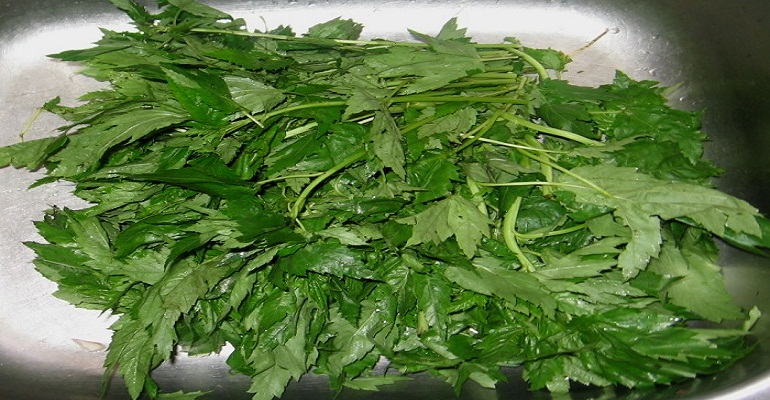
Ewedu: The Numerous Health Benefits You Don’t Know

Ewedu – The Super Vegetable: How could I have ever thought that I will enjoy Ewedu vegetable now? I had constantly condemned it as I never encouraged its consumption in my family. By the second day of my Mother’s in law visitation I knew I had no option than to cook it for her since she is a complete Oyo woman who cannot do without Amala and Ewedu. Shortly after I took the bold step to learn the process of making the soup from a Yoruba friend, I found it was completely simple to prepare. Joining my mother in law in taking a bite on the meal, I was completely surprised by how delicious it was when combined with Amala. These were the words of a 36 years old Delta woman married to an Egba man.

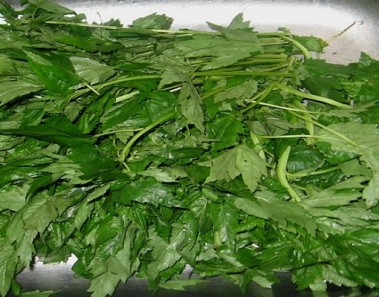
ewedu vegetable

The jute leaf which is commonly called Ewedu among the Yoruba people have been part of the south westerner’s diet for so many decades. A few people who do not enjoy it describe it as a weed, while others cannot completely describe how delicious and medicinal this natural green is when regularly consumed. Ewedu is clearly rich in plenty micro nutrients that have been found to help many in reducing one’s chances of developing certain illnesses. The vegetable can be enjoyed in different forms. It can be eating with Gbegiri (a local soup made from beans) or with Melon soup. I bet whichever you choose; you will definitely enjoy the delicacy if combined with Amala (Yam Flour dough).

The Numerous Health Benefits of Ewedu

Cochorus olitorius as the leafy vegetable is botanically called have been scientifically proven to be efficient in the improvements of certain conditions in people for more than a century. Research has shown that the different varieties of Ewedu possess very important and valuable vitamins and antioxidant that will be of immeasurable nutritional and therapeutic value to our body system. The main vitamins in this vegetable are A, C and E, which are key to protecting the body from degenerative diseases such as Cancer.

The leave provide low calorie and an adequate source of fibre which has made it key in weight management. Also, some certain traditional healthcare providers have used the leaf in the prevention of constipation, dysentery and infestation of worms. In fact some old Asian health specialists have reported to have used it for pain and pile reduction.

If you can recollect correctly, as the world battles with finding a permanent cure for the deadly Ebola Virus Disease, it was reported that one Professor Adebukola Adefule Oshitelu, Professor of ophthalmology at the Lagos State Teaching hospital, LUTH, claimed that jute leaf commonly called Ewedu has the ability of curing Ebola.

He claimed the leave has the capability of preventing the proliferation of the Virus. While this information could just be a mere speculation and has not been confirmed yet, it is a clear indication that the vegetable contains various medicinal qualities that made the professor utter such statement; only if further researches could be conducted on it. I am certain that if these claims had been reported or speculated by even a British or an American incompetent professor, more considerations would have been given to it.

However, the point remains that Ewudu boosts immunity and nourishes our body system. This in itself is one of the greatest health benefit you can get from any food. If you don’t like Ewedu, you may want to start adding it to your diet because of its health benefits.

RECOMMENDED: How to Prepare Ewedu Soup (Recipe)