Categories
Food Safety News

NAFDAC Warns Against Eating Imported Chicken, Turkey

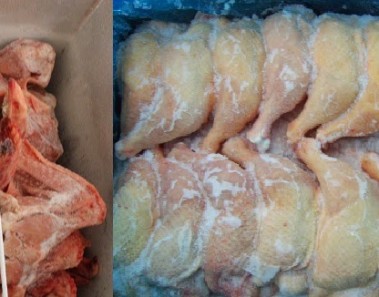
The National Agency for Food And Drug Administration And Control (NAFDAC) has issued a strong warning to people who consume imported or smuggled frozen meat such as chicken and turkey in Nigeria. NAFDAC Director-General, Dr. Paul Orhii, who gave the warning at a media briefing in Lagos, said that these foods have been implicated in non-communicable diseases (NCDs) and antibiotics resistance.

frozen chicken turkey

These diseases include cancer, kidney disease, and hypertension amongst others. He, therefore, warned Nigerians to stay away from imported frozen chicken and turkey because they have been discovered to be causative factors in these non-communicable diseases.

Dr. Paul Orhii said that these frozen products have been found to contain substances that can predispose one to kidney, liver and lung diseases as well as certain types of cancers and drug-resistant bacterial infections.

At the briefing, a study, titled “Prevalence, Quality and Acceptability of Frozen Poultry Meat in Major Cities in Nigeria” carried out by experts from the University of Ibadan titled “, was presented. It was made clear that importation of these products have been banned by the Federal Government, but some people still indulge in smuggling them into the country.

Dr. Orhii said that NAFDAC is discouraging people who patronize frozen meat such as Chicken and Turkey because they have been found to contain contaminants that are hazardous to human health. The contaminants can be formaldehyde, at times it can be a high level of antibiotics residue and other contaminants like heavy metals. “And that is why we are discouraging members of the public from consuming them.

The study, which Orhii referred to, was carried out by Prof. Olumide Tewe (lead researcher), Prof. S.S. Abiola (meat technologist), Dr. O.A Abu (nutritional enzymologist), Dr. C.I. Alarima (agriculture extensionist), Dr. O.A. Olabisi (public health specialist), Mr. S, Adelani (chief technologist) and Mr. R.A. Aromoye (administrative assistant).

Heavy metals (which have been found to be present in imported or smuggled meat) may cause toxicity-related mutagenesis (mutation), carcinogenesis (cancer) and other severe health hazards. Others (the result of heavy metals) are cardiovascular diseases, skin disorders, and neurotoxicity lung and nasal cancer in humans”. Excerpts: GuardianNGR

ALSO SEE: Top Reasons To Stop Buying Meat The Way We Do
Categories
Food Safety

How To Prevent Food Poisoning At Home

We have recently discussed the symptoms and causes of food poisoning in one article. In that same article, we promised to share with you, tips and pieces of advice on prevention of food poisoning at home and eateries. This article will also tell you some foods to watch out for when it comes to their likelihood of causing food poisoning. This article will only talk about how to prevent it at home, another will be published soon on eatery foods.

We will not be mentioning what food poisoning is and the symptoms associated with it again. If you missed the article where we explained that, you can still find it here.

Preventing Food Poisoning At Home

There are so many ways by which we can expose ourself to food poisoning in homes. This article may not address all of them but will touch many that will give us idea of what other things can cause food poisoning.

Food Poisoning

1. Buying food stuffs from the market

When you go to the market to purchase raw food materials, go for the best. Don’t buy rotten tomatoes, bruised vegetables, smelly meat, de-frozen fish, etc. Rotten tomatoes would normally have microorganisms in them, while bruises on many vegetables could expose them to spoilage and pathogenic microorganisms.

Smelly meat is definitely a sign of spoilage and activities of putrefying microorganisms — you should not eat this type of meat. Sometimes, spoilage starts before we are even able to perceive any kind of smell because we cannot perceive that threshold of smell. Other thing we may want to look for is the colour of the meat; it should be bright red in colour. Even from the color of the liquid that drips from meat, one can tell.

RECOMMENDED: The Way We Slaughter Animals Affects How Long Meat Lasts

Another food that is very dangerous in this respect is egg. Only buy fresh eggs and only eggs that you are sure are fresh. You can read this article to guide you on how to determine if egg is fresh. It will help you prevent that food poisoning.

What we are saying in essence is that we should only by wholesome food of the best quality; avoid damaged and spoilt food materials.

Next on Page 2 — How to store food material to prevent food poisoning…

Categories
Food Safety

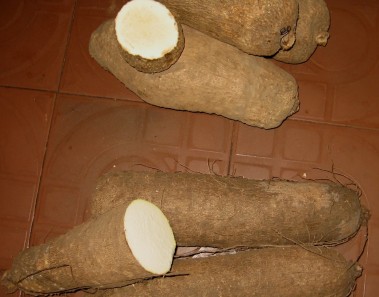
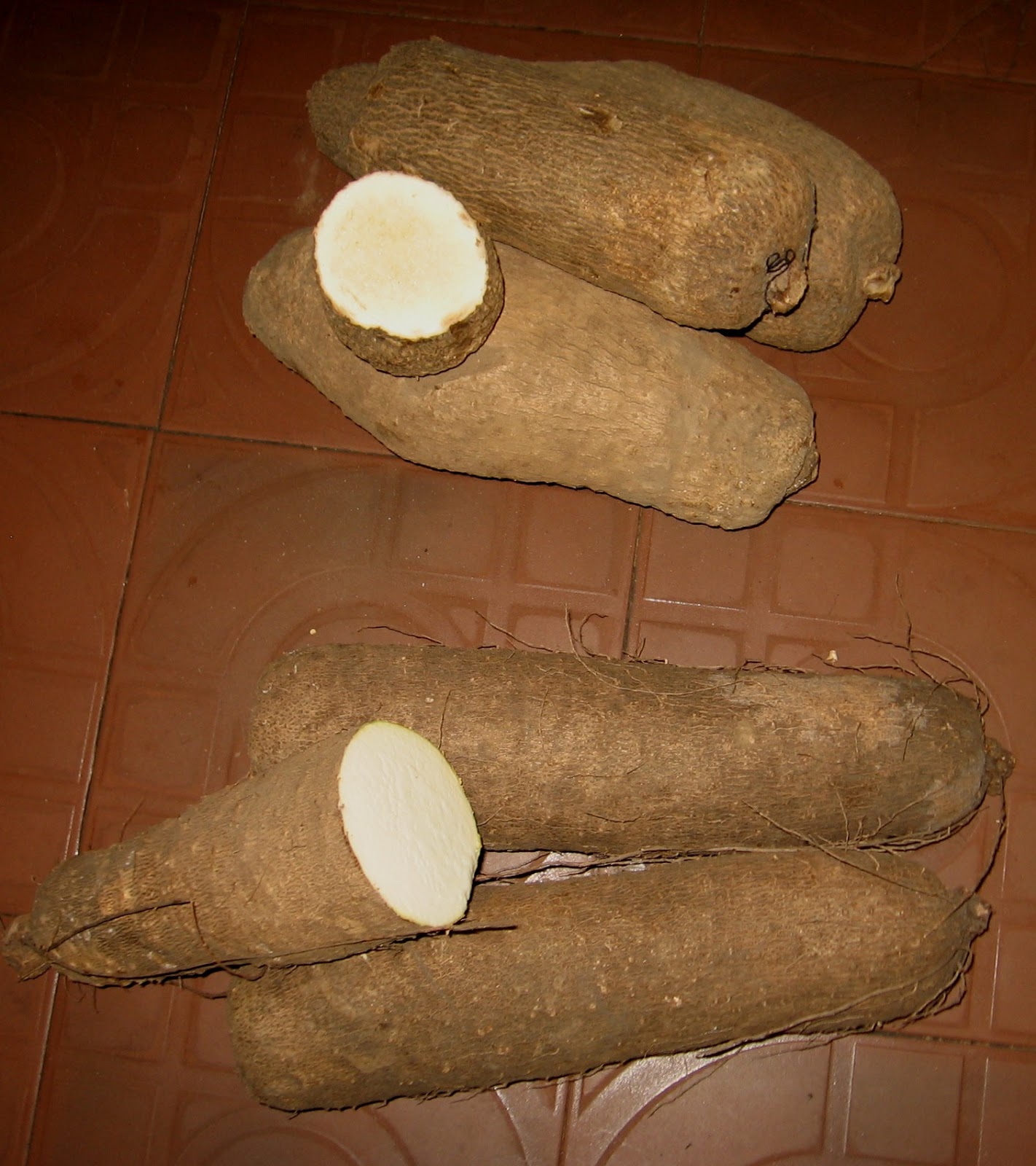
How To Store Cut Yam So It Doesn’t Grow Moulds

A couple of FoodsNG’s readers have asked this question, but of course in different ways – “how do I properly store a cut yam?”, “how can I store yam after I cut it without spoiling?”. We are going to talk about this topic today in order to address their questions. Often we buy large tubers of Yam and need to only cook a small portion of it when we need to eat. So, what are you going to do with the remaining tuber? If you leave it that way, it grows mould and gets spoiled or turns brown and hard that you have to peel it off.

When the questions came, I though this should not be a problem for anyone because there is a way I saw mum do it while growing up and it worked every time. So, I took some time out and spoke to different people, asking them how they preserve their cut yam tuber. I got a lot of interesting answers and I will address the most shocking one first.

cut yam storage

Someone told me she just leaves the yam that way and cut off the spoiled part when next she needs to cook the yam. Well, I would say that is not proper and safe for the following reasons;

  1. Why waste that part of yam that you cut away? You could save that yam by preserving it properly.
  2. When your yam grows mould and you cut the contaminated part away, do you think the remaining part of the tuber is safe?

You know why this is wasteful and unsafe? Mould is a fungi and when they grow on foods, fungi break the food down and make us of it. They grow their HYPHAE (the part that looks like microscopic roots) into the dissolved food. So, when you cut off the mould growth on the surface, you could still have the hyphae left in the remaining yam. The root is as unsafe as dangerous as the growth, sometimes more dangerous. Don’t cause Food Poisoning for yourself.

NEXT [2] :: Tip For Preserving Cut Yam To Prevent Mould Growth…

Categories
Food Safety

What is Food Poisoning? How Do You Know When You Have It?

This post will take about Food Poisoning, the causes and symptoms — Food poisoning is a common illness caused by eating contaminated food; it could be a mild and sometimes life-threatening problem for millions of people throughout the world. Food poisoning occurs when microorganisms infect your food and they remain in the food when you eat it. They start to multiply and cause illnesses and discomfort.

Some of the most common food poisonings are infections caused by bacteria like Campylobacter, Salmonella, Shigella, E. coli O157:H7, Listeria, Clostridium botulinum, and norovirus. They cause symptoms that range from mild to severe and may require consulting a doctor for treatment. Often, people get well and recover fully at home some days after having food poisoning.

What are the symptoms of Food Poisoning?

The symptoms may vary a little bit depending on the causative organisms. The symptoms you will observe during a Campylobacter poisoning may vary from that from Listeria. There are however some common/similar symptoms to look out for.

Food Poisoning

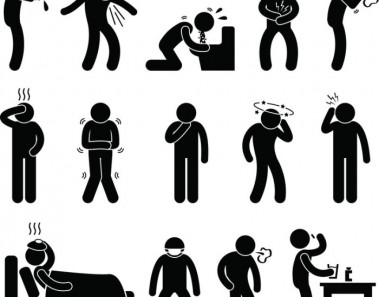
The common symptoms you will find in someone that has food poisoning are;

  • Nausea
  • Vomiting
  • Diarrhoea, which may contain blood or mucus
  • Stomach cramps and abdominal (tummy) pain
  • Lack of energy and weakness
  • Loss of appetite
  • High temperature (fever)
  • Aching muscles
  • Chills

You may start to observe symptoms hours after consuming the food. Sometimes, it may take days before the symptoms start to manifest.

Now that we have touched the basic on what food poisoning is, the causative organisms and symptoms, we are going to be discussing preventive measures and treatment if one has food poisoning because it is very difficult to prevent for some people.

The busy schedule of some people means that they cannot make their own foods — they have to go to eateries and fast food joints to make their own foods. Some of these foods could get contaminated from poor hygiene, poor storage conditions and more.

For example, keeping some foods in glass showcase with a bulb on, provides a very good environment for some microorganisms to thrive and multiply. Another important one is coles law and salads — if they are not stored in refrigerator with STEADY SUPPLY of electricity, there could be problems for whoever eats them.

In the coming days, we are going to share article that will guide you on How To Prevent Food Poisoning At Home & Eateries and another one on How To Manage Food Poisoning if you ever have one. We hope you would come back to see them.

You can stay updated and never miss our updates by SUBSCRIBING TO FoodsNG Updates!

Categories
Food Safety

How Ogogoro, Paraga, Jedi, etc, are Silently Killing Nigerians

That I have not tasted alcohol is a complete lie and there is no iota of truth in me. Research have also shown that a little alcohol is not bad for the body but this is not that I am preaching that you should drink alcohol. To keep this straight, when I say alcohol, I mean wine and a little of beer not “ale”, that are produced and bottled by recognized and standard companies who put into place the necessary hygiene and good manufacturing practices and have the overall reputation of their companies to protect. They cannot afford to toil with people’s lives by mere negligence. You should by now be able to decipher the brands of alcohols or wines I am talking about.

Having said that, it is a complete shame to know that in a country where food and brewery processing professionals abound, there seem to be a rise in the proliferation and popularity of so many brands of alcohols that are far from meeting the requisite of proper alcohol production; yet, this poisons are sold in every nook and cranny of our country damaging the lives of people without them knowing. Sometimes, I wonder what National Agency For Foods and Drugs Administration and Control (NAFDAC) is doing.

In rivers state, just recently, it was reported that about 2 scores of people died mysteriously after consuming some quantity of local gin in a nearby local shop. According to PM news, the Director of the Department of Disease Control in the state, Dr. Roland Obed Whyte said there was a ban on these products and it was for the good of the locals who regularly take Ogogoro. The director said it would be difficult to get samples of the particular gin that was consumed through clinical analysis as youths of Woji community, where the incident happened had burnt the shop.

While one cannot convincingly say these deaths were caused by the concoction called Ogogoro or Kaikai as they are popularly called, it is becoming clearer that these products which are manufactured under unacceptable food processing conditions have been causing havoc to the health of many. Funny enough, they are unaware.

I do not know why people drink these brands of alcohol. Some claim it makes them high, others say it is a super enhancer for sex and other physical activities. Well, those are none of my concerns. But my brother, are these the reasons you have chosen to make these drinks your breakfast? A trip to major streets in Lagos, between 5am and 7am, You will sight tens of motor drivers and union members in different locations sipping the concoction as their breakfast. All it does is gradually damage their liver, kidney and stomach wall. No wonder many of them are ulcer patients with multiple skin diseases.

I have also come to realize that the consumption of these drinks are not only peculiar with transport workers etc, many educated people and professionals also secretly use them as enhancer to perform well at work, in bed and other duties. Many are constantly having headaches and some undescribable body reactions without knowing it is as a result of the poisons they had been funneling into their body system.

Many State Ministries of Heath are beginning to place a ban on these products as so many health concerns are associated with the consumption. An example is Ondo State Ministry of Health. It was also recorded that a similar incident which claimed lives of people happened in the state.

All these bitters and gins, in as much as one cannot say they should not be manufactured; the production and importation of theses drinks have to be monitored by appropriate authorities to ensure compliance to standard and avoid loss of life.

We have to protect Nigerians and those yet unborn. A ban on these product and a jail term for public sales will be a welcome development until government and agencies concerned come up with serious standards and procedures in which manufacturers of these products must adhere to in order to avoid further loss of lives as it has recently happened.

I STAND TO BE CORRECTED!

If you have had a terrible experience with any of these drinks, please share it.

Categories
Food Safety

How To Make Zobo Drink Yourself At Home

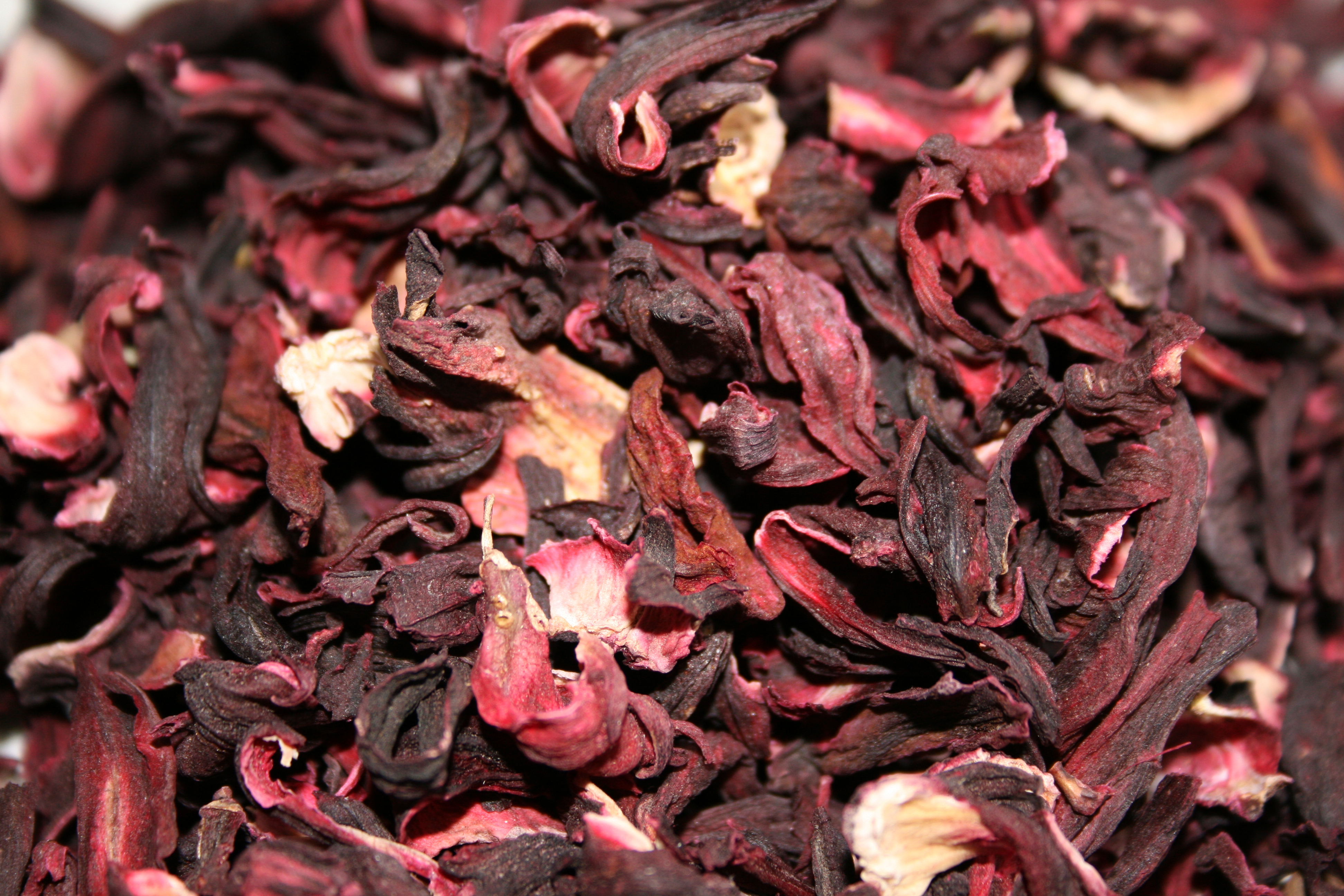
Yesterday, I shared information on how to make Kunun drink, today it is the turn of Zobo. Zobo drink or Zoborodo is a Nigerian beverage made from dried calyx of Hibiscus sabdariffa (from Roselle plant flowers). It is usually served chilled in places where they are consumed in Nigeria. Many people drink zobo only for its refreshing taste but do not know that it has some health benefits too.

Health Benefits of Zobo Drink

Not long ago, we talked about the need to remove toxic products from our body and made mention of foods that help detoxify the body. Zobo drink has been established to be a rich source of nutrients that activate detoxification. For example, it helps resolve metabolic syndrome in that it promotes the excretion of uric acid from the body. This is only of its benefits and I may consider writing its full health benefits as another post later but before then, let’s talk about how to make this drink.

Ingredients for Making Zobo Drink

People like their Zobo different ways, therefore, the ingredients might be slightly different from one processor to another. The differences in ingredients have effects on taste and flavour of the end product. However, there are still some ingredients you must use, irrespective of the flavour that you want in your Zobo drink.

These ingredients include;

2 cups of dry Zobo leaves
1 big piece of ginger
Potable water

Other Zobo ingredients – depending on the flavour you want

Zobo juice or extract as it is has a kind of sour taste, and that is why we add sugar to it t have a sweet taste. People these days tend to avoid sugars because they are watching their weight or wary of diabetes. If you do not want sugar, you can add sweeteners such as Nutri-C or foster Clark’s pineapple flavour.

It is important to know that if you use the foster Clark’s pineapple flavour, you should not use sugar again. I know of people that don’t like using artificial sweeteners and ingredients in their entirety. If you fall into this category, you can use very ripe Pineapple – it will only add more to the cost of production of the Zobo. If you are not selling it, why not use that?

Some people also add garlic. I don’t really like the taste and smell, so sometimes, I leave it out of my own Zobo. If you decide to use it to make your Zobo drink, add 1 glove of garlic to the ingredients listed above.

How to Prepare The Zobo Drink

Buy clean calyx of Zobo Hibiscus and wash with water – you may want to ask for “zobo leaf” in the market rather than hibiscus calyx. Even if they appear clean, you still should was with water because they are usually displayed in the market in containers with no lid, so you can expect to have dust particles on the surfaces. It may appear you have washed all the colour off but it has a lot more in store. So, don’t worry.

Hibiscus sabdariffa zobo leaf

  • If you are using Pineapple, peel and slice it. Peel and slice the ginger (and garlic if you are using it) too into small pieces. Clean them with some water.
  • Put all the Zobo calyx you want to use and the sliced Pineapple into a clean pot and pour water into the pot until it covers them all.
  • Boil for 5 minutes and add your ginger, and garlic if you are using it.
  • Add more water to the pot and leave all the ingredients to boil for 30 minutes.

After this period, you can now remove heat and allow the pot and its content to cool. When cool, wring out the juice from the pineapples and Zobo leaves, leaving only the Zobo juice in the pot. Sieve this juice, first through a sieve to remove the large particles and then through a fine mesh or Muslin cloth to remove this finer particles.

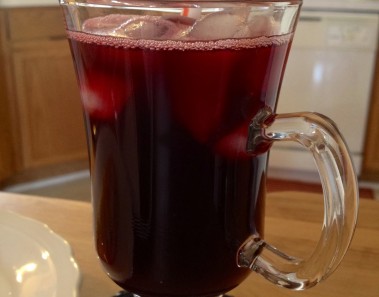
zobo drink in a cup
You can now refrigerate your zobo drink and serve when chilled. Some people add lemon and some other stuffs as additional flavour and I will find time to share information on this in the future. Enjoy your zobo drink.

Categories
Food Safety

Allergies/Dangers Associated With Eating Peanut

Few years after I was posted to Ketu Special Children Center; my present place of work, the nutrition department which I am part of, was faced with the challenge of raising the weight of our severely malnourished children. The idea of fortification popped into one of my colleagues and we decided to fortify the children’s meals with peanut butter. Without doubt, as professionals, we are aware of the allergy and numerous health benefits of the legume. We kick-started with a fact-finding mission to determine the level of tolerance in the children. Fortunately, none of the children showed any sign of allergies or intolerance.

Not quite long, one of our care givers who was on annual leave during the implementation period of peanut butter resumed duties. A diligent woman that she is, she did not waste time to start her work. She quickly picked one of the non ambulatory children’s meals in order to feed one of them. After feeding this young boy, the caregiver started scratching her body. Within few minutes, her entire skin had swollen. Then, we rushed her to our clinic. The long story was that she was allergic to groundnuts and was unaware that groundnut had been included into the children’s diet before she resumed. Else, she would have avoided it. This incident triggered the need for me to write on this article.

peanut allergy symptoms
Photo Credit: au.news.yahoo.com

Let me make it clear that the woman did not taste out of the blenderized meal, she only fed a child. What if she had tasted?

If I am not making any error, peanut allergy is perhaps one of the most serious and dangerous food allergies one can have. In some severe cases it has been found to be life threatening (Anaphylaxis). You cannot leave these reactions to chance. Once you discover you are allergic to any form of nut, do yourself a favour by visiting a Medical Doctor for further medical checkup. Let’s go ahead to describe some terms.

Short Description of Peanut Allergy:

According to WebMD, peanut allergy is a reaction that occurs when your body mistakenly identifies peanuts as harmful substances. When you eat peanuts or food containing peanuts, your immune system —the body’s natural defense system that fights infections and diseases —overreacts and can cause a serious, even life-threatening response. I am sure you can relate this definition with the scenario narrated earlier in this article.

So, What Causes Peanut Allergy?

The immune system determines the type of response your body will give based on the toxicity or otherwise of ingested items. In this situation the immune system overreacts and releases chemicals into the blood. Once they get into the blood, the chemicals have the ability to affect different organs in the body such as skin, nose, lungs etc. In most cases, it is unclear why these reactions occur in some individuals.

What Are The Symptoms Peanut Allergic Reaction?

The symptoms of peanut allergy can be a mere tingling sensation in the mouth followed by swelling of the face, throat, skin and mouth. This can also lead to difficulty in breathing, an asthma attack, anaphylactic shock and death. Less severe reactions include rashes, itches and stomach upset.

ADVICE: Once you have noticed any of the above symptoms any time you consume peanut, you will do yourself a great favour by avoiding all other nut products, including pressed nut oils and any products processed on the same equipment as nuts. This allergy is so severe that even minute amount of peanut can trigger a dangerous allergic reaction. Also, check the labels of packaged foods to see if nuts have been included in any form.

It is also in record that some people outgrow peanut allergies while others do not. For individuals who were diagnosed with peanut allergy at infant, they stand a chance to get over it than those who developed it from age three and above who might live with the allergy forever. Whichever way, speak to a medical professional.

ALSO SEE: Simple Method For Making Peanut Butter At Home

Allergic to peanut? STAY CLEAR!!!

Categories
Food Safety

Why It May Be Best To Only Eat Sour Garri

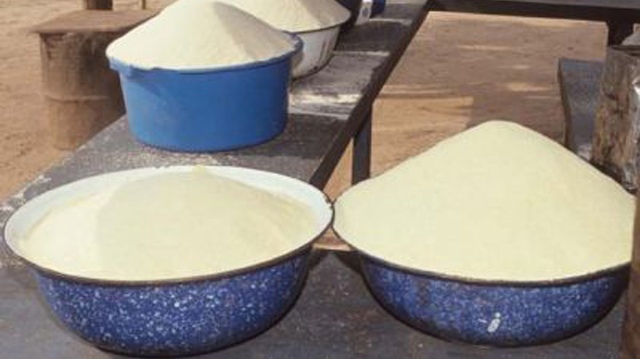
Gari is a creamy-white, granular flour with fermented flavour and a slightly sour taste, made from fermented, gelatinized fresh cassava tubers. It is usually eaten with various types of soups like ewedu, efo riro (spinach), Akwa-ibom’s afang soup and many more we cannot begin to mention here. Many people in Nigeria and other West African countries, where garri is very popular soak it in water, add sugar (sometimes with Milk) and eat with roasted groundnut, donkwa, fried or roasted fish, coconut and more.

I have seen jokes talking about how garri was never advertised and continues to best other foods in terms of sales in the market. This is to tell you how much garri is popular in these countries. Someone wrote on his twitter one day – “Garri, saving life since 1800s”. These things are so true about garri.

garriSo, what’s the fuss about Sour Garri?

Do you know what makes garri sour? Well, it is a process called fermentation which takes place during the production of garri and it is usually in two stages. I will try as much as possible not to use too much technical terms but when we have to mention scientific names, there is no way around it.

(i) The first involves a bacterium Corynebacteria manihot attacking the starch in the cassava roots, leading to the production of various organic acids (such as lactic and formic acids) and the lowering of substrate pH.

(ii) In the second stage, the acidic condition stimulates the growth of a mold, Geotrichum candida, which proliferates rapidly, causing further acidification and production of a series of aldehydes and esters that are responsible for the taste and aroma of gari (Odunfa 1985).

Cassava contains the cyanogenic glucosides, linamarin and lotaustralin which are hydrolyzed after peeling, cutting and pulverising the cassava; and end up as hydrogen cyanide [HCN](Conn 1969). The hydrogen cyanide is responsible for chronic toxicity when inadequately processed cassava products are consumed by humans and animals for prolonged periods.

The traditional processing of cassava into lafun, garri and fufu unsure that most of this HCN is removed. Apart from acute toxicity that may result in death, consumption of sub-lethal dose of cyanide from cassava production over a long period of time results in chronic cyanide toxicity. That increases the prevalence of goitre and cretinism in iodine deficient area.

COMING SOON: What To Look Out For When Buying Cooking Salt!

The symptoms of cyanide poisoning from consumption of cassava with high level of cyanogens include vomiting, stomach pains, dizziness, headache, weakness and charkha.

Many local processors of garri want to make as much garri as they can make because of high demands from the market. Instead of expanding production and engage more people and equipment, what many have done is to modify how they process garri. They cut on the period they should subject the cassava to, in order to ferment. They don’t know what they are doing.

As mentioned above, the liberated cyanide (HCN) will dissolve in the water when fermentation is effected by prolonged soaking, and will evaporate when the fermented cassava is dried. This can also be found in several published research works on garri. Prolonged soaking is the key phrase there.

How do you know that the cassava from which your garri was made had gone through this effective long soaking? It would normally be sour. Like I have explained above, fermentation produces low acidic pH which makes your garri sour. This acidity also helps eliminate some microorganisms in your garri making it safe for consumption and last longer on the shelf.

ALSO SEE: How To Make Afang Soup The Akwa Ibom Way (Recipe)

REFERENCES:

  • Conn, E.E. 1969. Cyanogenic glucosides. Journal of Agricultural and Food Chemistry 17(3): 519-526.
  • Odunfa, S.A. 1985. African fermented foods. Pages 155- 161 in Microbiology of fermented foods: Vol. 2, edited by B.J.B. Wood. Elsevier Applied Science Publisher, Amsterdam.
Categories
Food Safety Knowledgebase

Do Eggs Need To Be Refrigerated Or Just Stored At Room Temperature?

This is one question that was posed by someone to her friend while trying to buy egg in a mall last weekend. I passed by slowly and listened to their conversation. She wanted to buy two crates of eggs and keep it but her friends opined that some would definitely get spoilt before she is able to consume them. The woman then asked her friend, “what if I keep it inside refrigerator?” Then they both looked at each other with the face that says, “that should work just fine”.

For real, let’s ask ourselves these questions. Do we need to store eggs in the refrigerator or room temperature? How does refrigeration help the eggs we keep in there? Is it just a waste of time and space in the refrigerator? Let’s do the fact-finding job together.

What refrigeration does to eggs stored in it

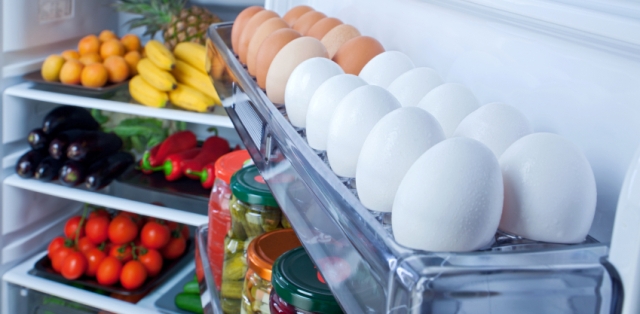
Dr. Rosamund Baird and Dr. Janet Corry, two experts at Bristol University’s School of Veterinary Science say that storing a contaminated egg at room temperature will only allow the bacteria to multiply. So, storing the eggs in a refrigerator will slow down the multiplication of bacteria. But how do we know if egg is contaminated?

eggs in the refrigerator
Photo Credit: kiss1023.ca

Most of the times, consumers like us cannot tell until we fall ill from consuming the eggs or the bacteria have caused deterioration to the point of spoilage. In countries like the Britain for example, there are laws that require that all egg hens be vaccinated for Salmonella. The Salmonella National Control Programme (NCP) prevents egg operators and producers from marketing eggs infected with the bacteria or that have an “unknown health status”.

This is not so in countries like the United States and many developing nations where immunization of hens against Salmonella is voluntary. No law requires that farmers should do it but the U.S. Food and Drug Administration (FDA) recommends storing eggs in the refrigerator.

According to the American Egg Board, to minimize the risk of contamination and to extend shelf life, eggs should be stored in the case or carton in a refrigerator. If done so, they should last up to four to five weeks without a significant loss of quality

Since refrigerators keep our eggs from contamination, slows down the multiplication of bacteria in already contaminated eggs and prevent illness, why don’t we just keep them in the refrigerator if we have the means. Did I mention that it extends the shell-life of eggs? Yes, it does and that saves you money.

So to answer the major question posed above, it is safer to store our eggs in the refrigerator than the shelf.

Categories
Food Safety

Are Zero or Sugar-free Drinks Truly Good For Your Health?

When I talk about zero sugar drinks in this article, I am not referring to 100 percent, no sugar fruit juice. I am rather talking about the common carbonated beverage drinks and some fruit drinks. You may be wondering what the difference between fruit juices and fruit drinks are; I will explain to you in an article soon.

Many people run away from drinks like Coca-cola, Fanta, La casera, and so on because they contain lots of sugar and hence calories. Many of us are aware of the relationship between sugar and diabetes, sugar and body weight increase and the myth between sugar and pile. I guess the manufacturers became aware of this too and started coming out with no-sugar and sugar-free versions of their drinks to get back the customers they have lost through the sugar scare. I think it worked.

ZERO COKE AND ASPARTAME

How Do They Make Soft Drinks Sweet Without Sugar?

As soon as people started seeing these “Sugar-free” and “No Sugar” drinks flooding the market, they were like “wow, just what we need”. We though we could now enjoy our favourite soft drinks without having to take in much sugar and ultimately calories. Well is this true? You will find out now.

Aspartame is now used in these soft drinks and beverages because it is about 200 times sweeter than sugar. So much less of it can be used to give the same level of sweetness. This, in turn, lowers the calories in the soft drink or beverage. Aspartame is made by joining together the amino acids aspartic acid and phenylalanine.

The concern people however have about this aspartame is that one of the products of its breakdown is methanol. It has been established that Methanol can be toxic in high amounts, but the amounts that result from the breakdown of aspartame is lower than that seen in even many “natural” foods. The problem is however the claim from a lot of people that aspartame cause cancer or helps the growth of cancer in people.

So Are Zero Sugar Drinks Good For Your Health?

I am going to provide you with excerpts from an article published by Cancer.org and let you decide for yourself;

On laboratory studies’

Many studies have looked for health effects in lab animals fed aspartame, often in doses higher than 4,000 mg/kg per day over their lifetimes. These studies have not found any health problems that are consistently linked with aspartame.

On studies in human,

Most studies in people have not found that aspartame use is linked to an increased risk of cancer.

What experts and regulatory bodies say about Aspartame;

The Food and Drug Administration (FDA) regulates the use of aspartame and other artificial sweeteners in the United States. In 2007, the FDA stated:

Considering results from the large number of studies on aspartame’s safety, including five previously conducted negative chronic carcinogenicity studies, a recently reported large epidemiology study with negative associations between the use of aspartame and the occurrence of tumours, and negative findings from a series of three transgenic mouse assays, FDA finds no reason to alter its previous conclusion that aspartame is safe as a general purpose sweetener in food.

The European Food Safety Authority (EFSA) assesses the safety of sweeteners such as aspartame in the European Union.

Overall, the Panel concluded, on the basis of all the evidence currently available… that there is no indication of any genotoxic or carcinogenic potential of aspartame and that there is no reason to revise the previously established ADI for aspartame of 40 mg/kg [body weight].

My own conclusion? Sugar free soft drinks and beverages in which aspartame was used are safe for the health. The level at which the methanol people complain about is present is even lower than that present in many natural fruits. What I just don’t like about this no sugar drinks is the taste they leave in your mouth after hours of consuming them.

Categories
Food Safety

Canned Foods Causing Cancer; The Real Truth Behind It

Do canned foods cause cancer? Are they truly dangerous for consumption? Is it possible one falls ill after eating canned foods? These are some of the questions that have been put to me by people who know I studied Food Science and Technology in School. I have always given them the same answer; this same answer is what I am going to give here. A classmate of mine asked this question in class and the professor in charge that day explained so many things to us about the relationship between canned foods and cancer.

Why Do People Think They Could Have Cancer By Eating Canned Foods?

Bisphenol A (BPA) is a chemical which has been in use for years in clear plastic bottles and food-can liners. Some studies have linked Bisphenol A to reproductive abnormalities and a heightened risk of breast and prostate cancers, diabetes, and heart disease. This is why people get so scared when they are offered canned food.

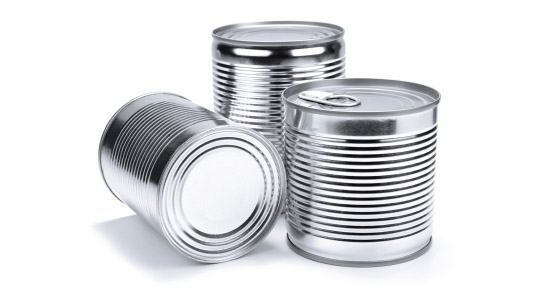
Food Cans

This chemical, also called BPA was also found to cause actions in the body like those caused by the body’s own sex hormones e.g. Oestrogen. This coupled with the revelation that BPA used in lining of food cans could lead to the development of breast and prostate cancers have made people the world over scared of consuming canned foods.

“We should not set a place for bisphenol A at the dinner table,” Elizabeth Hitchcock, a public health advocate for the U.S. Public Interest Research Group, said at a news conference on Capitol Hill.

But Is There A Chance of Getting Cancer From Canned Foods?

First of all, let me inform you that before chemicals are approved to be used in food or food packages, they usually go through serious years of testing on experimental animals. The results from these animals are then evaluated and acceptable daily intake of the chemicals are determined. It is always taken into consideration that our body mass and some other factors are different from those of the experimental animals before making this informed decisions.

The limits that are prescribed are also always way way below that level that showed no observable adverse effect on experimental animals. These animals usually have similar body system as humans.

COMING SOON: Danger of Deadly Botulism In Canned Foods

Now, back to our question, I can inform you that recent research has shown that the level of BPA being used in industries today do not pose any risk of cancer in humans. This has been established over the years but serious concerns over the risk of developing cancer from consumption of canned foods came up again between 2008 and 2010.

This prompted many researchers to go back to the laboratory to study the adverse effects of this chemical on animals again.

Not long ago, the United States Government officials reported in a study that the chemical had no effect on rats fed thousands of times the amount a typical person ingests. This finding was reported in the journal of Toxicological Sciences. This result bolster results from previous researches that told us BPA at levels found in food cans would not lead to development of cancer.

This recent research published in the Toxicological Sciences journal both support and extend the conclusion from the U.S. Food and Drug Administration that BPA is safe as currently used.

So, you can continue to enjoy your canned food as it has been established that the BPA in the can of your food isn’t so bad after all.

ALSO READ: What Are The Dangers Associated With Consumption Of Microwaved Foods?

Categories
Food Safety

3 Differences Between Expiry & Best Before Date of Food

Many people don’t know that expiry date and best before date are not the same. In fact, many people use them interchangeably thinking that they mean the same thing. Well, let me use this medium to inform you that expiry date and best before date are two different terminologies meaning different things and serving different purposes.

In this article, I will explain what each date marking found on food packages means and also introduce to you, the concepts of “use by” date and “durable life date”. I will however lay more emphasis on the expiry date and best before dates because they are the most commonly used on food packages.

Definition of Terms (Date Markings on Food Packs)

Expiry Date: It is added to a food package to tell consumers the last day a product is safe to consume. You should never consume food after the expiry date.

Best Before Date: This is the date the manufacturer deems the product reaches peak freshness. The date does not indicate spoilage, nor does it necessarily tells you that the food is no longer safe for consumption.

best before date
Photo Credit: yummymummyclub.ca

Sell by: This is specifically added for sellers of the products. Most sell-by dates are found on perishables like meat, seafood and milk. The date is a guide for stores to know how long they can display a particular product. After this date, they MUST not sell it.

So, what are the important differences between EXPIRY DATE and BEST BEFORE DATE? Each difference is explained in four pages – navigate through the pages by clicking on pages 2 to 5 below. By the time you are done reading this, you would find out that it is not every food that expires and not every food you should throw away after some dates.

1. The Meaning of Expiry Date & Best Before Date

Expiry date means that your food has gone spoilt from that date and you should never consume it. It is no longer safe to eat such foods as they would lead to illness and in extreme cases, death. Best Before Date on the other hand tells you that the food is no longer in its perfect shape from that date. It may just lose its freshness, taste aroma or nutrients. It does not necessarily mean that the food is no longer safe to eat.

Expiry date is not something we see on every food product. Unlike Best Before Dates, there are five types of products that are labelled with an expiration date:

  • Baby formula and other human milk substitutes.
  • Nutritional supplements.
  • Meal replacements.
  • Pharmacist-sold foods for very low-energy diets.
  • Formulated liquid diets.
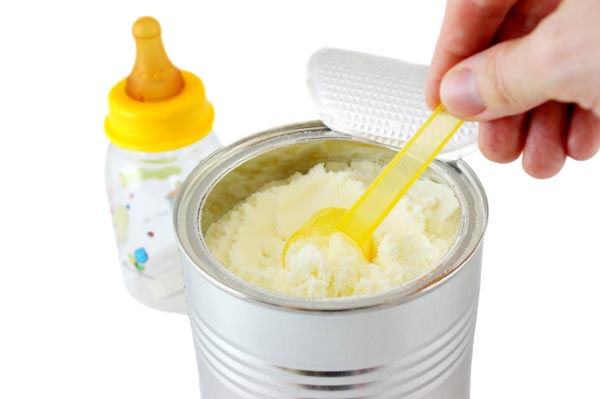
baby formula

However, it is easy to find best before dates on nearly every item in the supermarket.

2. Best Before relates to Quality, Expiry Date to Safety

Best before dates indicates that the quality of a food material can no longer be guaranteed after that date, so this is a Quality indicator. On the other hand, Expiry Date indicates that a food has gone bad and should not be eaten. You put yourself in danger if you eat the food after its expiry date.

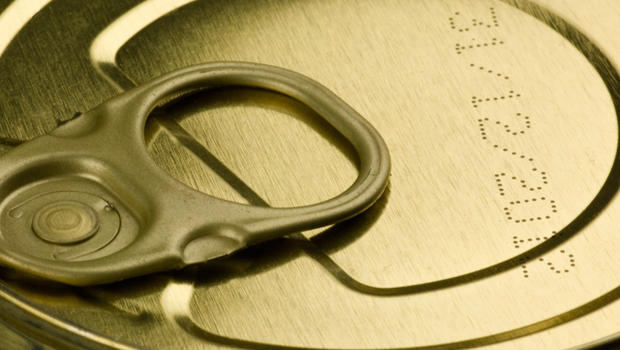
expiration date

In a country like the U.S.A., foods that are perishable (e.g. cheese) are required by law to have an expiry date but something like a sleeve of crackers or a box of cereal doesn’t need to be dated. The best before date added to the packages of these food material are mostly voluntary.

3. It’s Possible To Eat Food After Best Before Date Without Falling Ill

Like I said earlier at some point in this article, best before dates do not relate to the safety of a food product, it is just about quality. This means that we can still eat a food that has passed its best before date; the food would just likely not be in its best quality state. It might have lost some nutrients or changed colour.

Manufacturers usually choose best before dates through sensory testing over a period of time. Testing may be scheduled for 1 month, 3 months, 6 months and 9 months after the product was manufactured. This depends on the food that is being tested.

The truth is that manufacturers choose mostly 20% earlier date than the best before date. If the food’s quality can no longer be guaranteed after 100days of storage, manufacturers would normally put the best before date at day 80 after manufacture.

Now that you know these things, I would like to ask you a question…


Your feedback is highly appreciated!!!

Categories
Food Safety

Health Hazards of Microwaved Food? Should You Stop Eating It?

In one of my previous posts where I discussed the misconceptions people have about irradiated foods and answered the question asking if irradiated foods are safe, I promised to talk about microwaving of foods. Just like irradiated foods, many people believe that microwaved foods are not safe. Worse, some don’t even know that microwaving and irradiating foods are two different processes, making use of different technologies. I will explain all about it in this post.

What is the difference between Microwaved & Irradiated Foods?

To treat foodstuffs with radiation, they are exposed to a radioactive source, for a set period of time to achieve the desired dose. Radiation may be emitted by a radioactive substance producing Gamma rays, or by X-ray and electron beam accelerators.

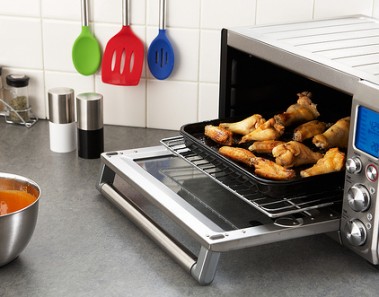
food in microwave oven
Photo Credit: peredelka.tv

This is how a microwave works – It makes use of an electronic tube called a magnetron. When you switch on the microwave oven, the microwaves are dispersed in the oven cavity and reflected by a stirrer fan such that the microwaves are propagated in all directions. They are reflected by the metal sides of the oven cavity and absorbed by the food. Uniformity of heating in the food is usually assisted by having the food on a rotating turntable in the oven. Water molecules vibrate when they absorb microwave energy, and the friction between the molecules results in heating which cooks the food.

So, is it safe to microwave your food?

Absolutely! Let me first clear the misconception that foods cooked or heated in a microwave oven become “radioactive” or retain microwave energy. They do not! When people say they cause loss of nutrients in food, they forget that boiling causes loss of nutrients too. Some are lost in the boiling water and others through the heat.

I have also seen messages circulated sometimes by email that microwaving food in plastics causes a substance called dioxin to leach into the food. Dioxin is not present is a plastic material. It is only produced when plastic is burned. As long as you don’t burn the food in your plastic container in the microwave, you aren’t exposing yourself to dioxins.

According to an article by the World Health Organization (WHO), using a microwave oven to heat your food is as safe as using a conventional oven. Nutrients are both lost in the two methods of cooking/heating.

Excerpts;

When used according to manufacturers’ instructions, microwave ovens are safe and convenient for heating and cooking a variety of foods. However, several precautions need to be taken, specifically with regards to potential exposure to microwaves, heat burns, and food handling.

Food cooked in a microwave oven is as safe, and has the same nutrient value, as food cooked in a conventional oven. The main difference between these two methods of cooking is that microwave energy penetrates deeper into the food and reduces the time for heat to be conducted throughout the food, thus reducing the overall cooking time.

There are dangers associated with microwave ovens, such as exposure to radiation and severe burns. This is why it is always recommended that you close the oven door before you start it; some would not even start heating the food until you close the door.

I have also come across articles that pointed out the presence of compounds such as bisphenol-A (BPA) and phthalates in microwaved food but I believe these have migrated from the plastic materials in which the food was put in during microwaving. I would advise that you use plastic specially made for microwaving of foods. They are labelled as such these days.

Here is one piece of advice I came across sometimes ago and have always believed – If you’re concerned about plastic wraps or containers in the microwave, transfer food to glass or ceramic containers labelled for use in microwave ovens.

IMPORTANT READ: Dangerous To Microwave Foods In Plastic? See Answers!

Categories
Food Processing Food Safety

Is It Safe To Consume Irradiated Foods? Answers!

“When food is exposed to high doses of ionising radiation, the chemical composition and nutritional content of food can change. Radiolytic by-products are often formed in irradiated food. Very few of these chemicals have been adequately studied for toxicity. One such chemical – 2-DCB – can cause DNA damage in rat colon cells at high doses.” This is just one of the numerous claims I came across in an article titled “Food Irradiation – the problems and concerns” on www.foodcomm.org.uk.

I am a graduate of Food Science & Technology and I studied Food Irradiation a little extensively at Masters level. I read a lot of reports and I know that consumer perception of foods treated with irradiation is more negative than those processed by other means. As a Food Scientist, I know that every food processing method changes the composition of our food material, loss of nutrients, binding of different components and/or formation of toxic substances in food.

irradiated foods
Photo Credit: doctorfeelgood.co.nz

The Important Benefits of Irradiating Food Materials

Before I address the issue of whether irradiated foods are safe or not, let me tell you why we irradiate foods and what advantages it comes with.

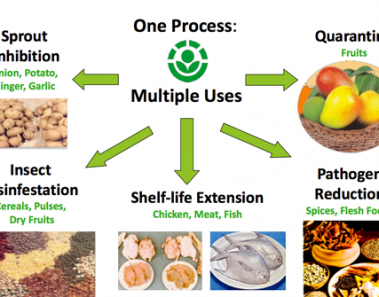
  1. We irradiate our foods to prevent food-borne illness. During irradiation, the genetic materials of illness-causing microorganisms in our foods are destroyed.
  2. Irradiation is being used to destroy or inactivate organisms that cause spoilage and decomposition of food. This extends the shelf life of foods.
  3. Irradiation can effectively replace the use of pesticides to get rid of insect pests in tropical fruits. Irradiation destroys insects and their eggs in fruits, thereby preserving the food material.
  4. Irradiation can also be used to prevent sprouting in food such as yam, potatoes, onions and delay ripening of fruit to increase longevity.

Irradiated food is a cold process unlike pasteurization and other thermal processes: hence the food is still essentially “raw or fresh”, because it hasn’t undergone any thermal process.

To cap it all, food can be subjected to irradiation to make them sterile for people with very poor immune system to consume. People who have poor immune system would have complications when they consumed food with even mild contamination. Irradiation can create the appropriate and essential foods for them.

Are irradiated foods safe or should you avoid them?

Let us get the the issue of whether it is safe or not. As far as people like me are concerned, food irradiation is a processing and preservation technique with similar results to freezing or pasteurisation. I have read many arguments for and against food irradiation – research has shown that when food are exposed to the right amount of dose, they are safe to consume. This is just like taking prescription drugs; there is dosage and when you take more than the right amount of dose, problem starts.

Also, the exposure time matters a lot. This is the length of time for which a food material was exposed to radiation treatment.

The opponents of irradiated foods have not been able to prove that irradiated foods will cause adverse health effects. What they all say is that “science has not been able to prove that irradiated foods do not cause adverse health effects after long term consumption”.

Studies have shown that foods are not significantly changed in nutritional value and they don’t become dangerous as a result of irradiation. For example, at irradiation levels approved for use on specific foods, levels of the thiamine are slightly reduced, but not enough to result in vitamin deficiency. This occurs in other forms of processing where heats destroys nutrients,  vitamins are leached when we cook in water and so on like that.

Let me use this opportunity to make it clear that irradiation does not make food radioactive. In food processing, the radioactive sources permitted do not generate gamma, electrons or x-rays of sufficient high energy to make food radioactive. Radioactive energy does not remain in food after treatment.

To conclude my argument for irradiated foods, the FDA website states on irradiated foods: “The FDA has evaluated the safety of irradiated food for more than thirty years and has found the process to be safe. The World Health Organization (WHO), the Centers for Disease Control and Prevention (CDC) and the U.S. Department of Agriculture (USDA) have also endorsed the safety of irradiated food.”

ALSO SEE: Click Here To Know If You Should Stop Eating Microwaved Foods

Your Own Take On Irradiated Foods…

You can tell me what you think about irradiated foods or ask any questions using the comment section on this page.

Please note that irradiated foods can easily be identified in the market and you can decide if you want to buy and eat them or not. How do you identify irradiated food? Just click here to see what they look like.

Categories
Food Safety

How To Know A Food That Has Been Irradiated

What are irradiated foods? Are irradiated foods safe? Is it safe to consume microwaved food? What foods are irradiated? How do I know if the food I purchased has been irradiated? These are all the questions that I will definitely answer, but not all in this post. This post is just to show you how to identify irradiated food, so, it is going to be very short and straight to the points. There are just two ways to know irradiated foods and I will share them below.

How Will I Know if My Food Has Been Irradiated?

Many people in different parts of the world have shown serious concerns when it comes to the issue of irradiated foods and genetically modified foods. Many of them agreed that irradiated foods are not safe and hence, should not be consumed. We all have the right to determine what to eat. Food manufacturers are also bound by law to reveal some special treatments foods are subjected to, so it is easy to know an irradiated food. You can then decide whether you want to eat it or not.

fruits and vegetables
Photo Credit: med-health.net

Here are the two things to look out for;

1. International food laws and food laws in countries where irradiated foods are packaged, shipped to, and consume require that foods that have been exposed to ionizing radiations be labelled with the Radura symbol. So, you can look for the Radura symbol (shown below) on food packages.

radura logo


2. The food must also, in addition to the Radura symbol, come along with the statement “Treated with radiation” or “Treated by irradiation” on the food label. With this, identifying irradiated food has been made very easy by binding food laws. These laws are also very strict.

For example, bulk foods, such as fruits and vegetables, are required to be individually labelled or to have a label next to the sale container.

In my upcoming posts, I am going to address the questions I asked us at the beginning of the article. What are irradiated foods and are they safe for consumption? Many of us consume microwaved food everyday and we would like to know if this is safe. I will definitely answer that too.

RECOMMENDED: Are Microwaved Foods Safe For Consumption?

Categories
Food Safety

Suya And Reasons You Should Consider Stopping Eating It

Suya as it is being made and sold in many places should not be eaten because of the risks and dangers associated. I will try as much as possible to explain this in very simple and clear terms. This is to enable even a layman read and understand the message of this post. I promise not to mention terms such terms as benz[a]anthracene, Fasciola hepatica and Taenia saginata. In fact, forget I mentioned those three. All I just want you to know are the risks and dangers associated with eating just any Suya.

What is Suya?

If you are reading this, you probably know what Suya is. But by way of definition, Suya is a spicy skewered meat which is a popular food item in various parts of Nigeria and is enjoyed as a delicacy in many parts of West Africa. It is traditionally prepared by the Hausa people of northern Nigeria, Cameroon, Niger, and some parts of Sudan.

suya

Health and Safety Issues Associated With Suya Consumption

Forget the dirty environment and poor or zero hygiene conditions in which Suya is made and handled in many places in Nigeria, there are other dangers that are inherent in the consumption of Suya – those that many would never know unless they are Food professional or have come across an article like this that explains it.

1. Suya and Polycyclic Aromatic Hydrocarbons

Click 2 below to navigate to the second page to see other reasons Suya is not so good for us…