Categories
Food Safety

Canned Foods Causing Cancer; The Real Truth Behind It

Do canned foods cause cancer? Are they truly dangerous for consumption? Is it possible one falls ill after eating canned foods? These are some of the questions that have been put to me by people who know I studied Food Science and Technology in School. I have always given them the same answer; this same answer is what I am going to give here. A classmate of mine asked this question in class and the professor in charge that day explained so many things to us about the relationship between canned foods and cancer.

Why Do People Think They Could Have Cancer By Eating Canned Foods?

Bisphenol A (BPA) is a chemical which has been in use for years in clear plastic bottles and food-can liners. Some studies have linked Bisphenol A to reproductive abnormalities and a heightened risk of breast and prostate cancers, diabetes, and heart disease. This is why people get so scared when they are offered canned food.

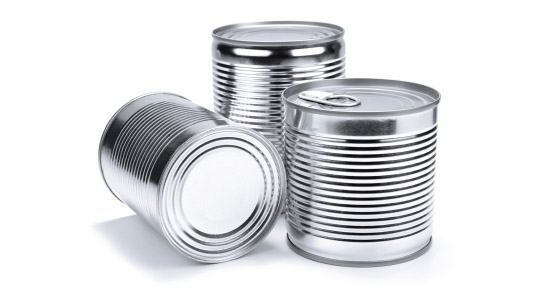
Food Cans

This chemical, also called BPA was also found to cause actions in the body like those caused by the body’s own sex hormones e.g. Oestrogen. This coupled with the revelation that BPA used in lining of food cans could lead to the development of breast and prostate cancers have made people the world over scared of consuming canned foods.

“We should not set a place for bisphenol A at the dinner table,” Elizabeth Hitchcock, a public health advocate for the U.S. Public Interest Research Group, said at a news conference on Capitol Hill.

But Is There A Chance of Getting Cancer From Canned Foods?

First of all, let me inform you that before chemicals are approved to be used in food or food packages, they usually go through serious years of testing on experimental animals. The results from these animals are then evaluated and acceptable daily intake of the chemicals are determined. It is always taken into consideration that our body mass and some other factors are different from those of the experimental animals before making this informed decisions.

The limits that are prescribed are also always way way below that level that showed no observable adverse effect on experimental animals. These animals usually have similar body system as humans.

COMING SOON: Danger of Deadly Botulism In Canned Foods

Now, back to our question, I can inform you that recent research has shown that the level of BPA being used in industries today do not pose any risk of cancer in humans. This has been established over the years but serious concerns over the risk of developing cancer from consumption of canned foods came up again between 2008 and 2010.

This prompted many researchers to go back to the laboratory to study the adverse effects of this chemical on animals again.

Not long ago, the United States Government officials reported in a study that the chemical had no effect on rats fed thousands of times the amount a typical person ingests. This finding was reported in the journal of Toxicological Sciences. This result bolster results from previous researches that told us BPA at levels found in food cans would not lead to development of cancer.

This recent research published in the Toxicological Sciences journal both support and extend the conclusion from the U.S. Food and Drug Administration that BPA is safe as currently used.

So, you can continue to enjoy your canned food as it has been established that the BPA in the can of your food isn’t so bad after all.

ALSO READ: What Are The Dangers Associated With Consumption Of Microwaved Foods?

Categories
Food & Body

No Fats, Only Fruits & 1 Meal Daily Diet Bad For Weight Loss

I cannot but laugh anytime I hear those hoping to lose large chunk of body fats discussing on the methods they have decided to adopt. Some say they have made up their minds to skip breakfast while others just conclude on crashing their diets. In view of the fact that most of all these people are ill informed about the ideal way of achieving a permanent result; the internet and social network are not helping matters as loads of different misleading articles and adverts continue to dilute the space. These articles written by some unqualified individuals are titled as “No Carbohydrate diet, No fat diets, only fruits diets, one meal diet” and all sorts in order to attract their readers and clients towards their own improper ways of losing fat.

In this article I will be sharing with you why some of the aforementioned methods will not work well, the truths about losing weights and other information you need to know.

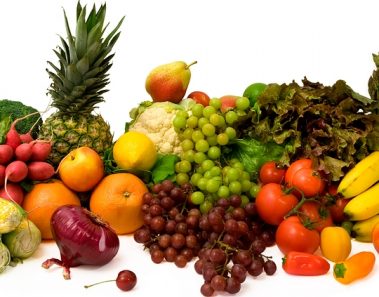
fruits and vegetables
Photo Credit: med-health.net

Why Your “No Fats, No Carbohydrates, Only Fruits Diets and One Meal Daily Diet” Is Inappropriate For Weight Loss

In your quest to quickly turn yourself into a figure 8 or Mr Macho overnight, you are most likely going to believe all information on “Lose 20 pounds in one week” article that you find online. Let’s take it one after the other so you would comprehend well.

ALSO SEE: HOW TO LOSE WEIGHT AND GET FIT IN 4 WEEKS NATURALLY

Categories
Food Processing

Why Don’t You Just Stop Eating Vegetables?

Two of the most commonly eaten and cooked vegetables in Nigeria are Celosia argentea var. argentea or Lagos spinach (Efo Soko) and Amaranthus hybridus (Efo Tete). These vegetables are very rich in nutrients and they do a lot in our body.

efo riro
Photo: lohiscreations.com

For example, 100g edible portion of Celosia argentea contains; water 83.8g, energy 185KJ (44kcal), protein 4.7g, fat 0.7g, Carbohydrate 7.3g, fiber 1.8g, Ca 260mg, P 43mg, Fe 7.8mg. This vegetable also contains micronutrients and is especially rich in Iron, vitamin A and Vitamin C. It also contains phytic acid. These figures are telling us that this vegetable is very rich in important vitamins and minerals.

The benefits of eating vegetable with these nutrients

Calcium is essential for blood clotting and stabilizing blood pressure. It contributes to normal brain function and it is critical for communicating essential information among cells. Calcium is needed in our body for the release of chemicals that transmit a signal from a nerve cell to a target cell (e.g., when a nerve tells a muscle to move). Many people may not even know that calcium helps in reproduction/fertilization by assisting the movement of sperm into an egg to fertilize the egg.

I am not going to talk about what each and every one of these nutrients do in the body as that is beyond the scope of this topic. The benefits above are just those we derive from consumption of Calcium alone; and Calcium is just one of the nutrients available in vegetables.

These vegetables, Celosia (Efo Soko) and Amaranthus (Efo Tete) are very rich in minerals and some vitamins and we eat them a lot. The unfortunate part is that we don’t get these nutrients by the time we eat them – that is the case in this part of the world. Why is that?

Why we lose all nutrients in vegetables

Vegetables such as Celosia and Amaranthus are not to be overcooked but that is exactly how we cook them. Some of the nutrients listed above here are heat-labile (lost when subjected to high temperature), so overcooking them means they are gone before they even get to your table.

Boiling vegetables in water at high temperatures is not a good practice, nutrients are lost in the cooking water and since you are not going to drink the water, the nutrients are wasted.

How Should Vegetable Be Prepared?

If you want to cook Celosia and Amaranthus, the best practice is to boil your water and pour on your vegetable just to blanch it. This will kill many microorganisms on the vegetable, inactivate enzymes that could cause spoilage and soften it to make it edible.

If you want to add your vegetables to pepper, tomatoes, and onions, make the stew separately and add your blanched vegetable to the stew. Mix them together and you would notice it even tastes better than the one you overcook.

This is the best way to enjoy the taste and nutrients in your vegetables. If you cannot prepare it this way…why don’t you just stop eating vegetables totally? Am I angry? Yes, I hate when people overcook vegetables.

ALSO SEE: How To Maximize The Nutrients In Your Vegetables

Categories
Food & Nutrition

4 Reasons You Should Consume Mangoes This Season

While most African leaders believe that the treasures and diamonds of Africa are hidden in the ground, I believe they are hanging up on the trees. This is because most fruits (Loaded with medicinal benefits) are on trees and if we maximize them, then Africa will be a healthier place. One of such treasures is Mango.

As a young boy, I had always loved to consume mangoes more than any other fruit. Not knowing the benefits associated with it, during its season, it remains my favourite. The sweet juicy fruit has been commonly regarded as the king of fruits because of its loaded nutrients while it remains the most consumed in the world.

Mango fruits
Photo Credit: mango.org

It will interest you to note that even as more nutritionists, dieticians and other food enthusiast clamour for daily inclusion of fruits into one’s diet, the World Health Organisation reported that millions of people around the world still die prematurely from diseases associated with low fruit consumption. This can be avoided if we decide to choose fruits like Mango over-processed foods.

Find Below The Main Reasons Why You Should Consume Mango This Season

1. Mango Helps Improve digestion:

It will only surprise you that millions of people have digestive issues and yet indulge in processed foods. Mango is one fruit that can improve this condition. It is high in fibre and very juicy. These help in constipation and other digestive related issues.

Mango Juice
Photo Credit: recipesart.co.uk

2. Mango Fruit Improves virility in Men:

Love fruit as it is called. Mangoes are loaded with vitamin E which has been found to regulate sex hormones and initiate sex drive. Consuming an adequate amount of mangoes on a daily basis can make you achieve this.

3. It Helps Maintain Healthy Pregnancy:

Married couples do not want health complications during and after pregnancy and one of the ways you can avoid this is to include certain fruits that mitigate against this. Folic acid or folate is one of the nutrients found in mango which prevents birth defects such as Spinal Bifida and Hydrocephalus. You will need about 400mcg of folate daily, a cup of mango juice produces 70mcg. Also, not only the liver is rich in iron, but mangoes also have a good supply of it. Pregnant women need an increased level of iron, especially in the second and third trimester.

4. Mango Improves hair and skin quality:

Mangoes provide great quality for your hair because they contain vitamin A, a nutrient required for sebum production that keeps hair moisturized. Vitamin A is also necessary for the growth of major bodily tissues, including skin and hair. Consuming Recommended Daily Intake (RDI) of vitamin C, which 1-cup of mango per day can provide, is needed for the building and maintenance of collagen, which provides structure to skin and hair. Give it a shot.

Remember, the season of Mango is here, Enjoy it while it lasts. Consuming 1-2 Mangoes per day would provide your body system with adequate nutrients.

On the next page, you will see advice on how many mangoes you should consume. There is also advice on who and who can consume Mango; it is not good for everyone.

ADVICE ON MANGO CONSUMPTION:

While mango remains a good fruit to consume, it is important to put into consideration when you eat them. Mangoes not in season are sometimes grown and ripened with a toxic chemical called calcium carbide that has been found to cause various complications in people especially children and pregnant women. Also, avoid unripe mangoes completely as it causes dysentery and irritation.

Mango Juice
Photo Credit: recipesart.co.uk

If you have kidney-related issues, consuming a high amount of mangoes is not advisable as your kidney may find it difficult to filter from the blood the high supply of potassium which could cause an imbalance.

Categories
Food Safety

3 Differences Between Expiry & Best Before Date of Food

Many people don’t know that expiry date and best before date are not the same. In fact, many people use them interchangeably thinking that they mean the same thing. Well, let me use this medium to inform you that expiry date and best before date are two different terminologies meaning different things and serving different purposes.

In this article, I will explain what each date marking found on food packages means and also introduce to you, the concepts of “use by” date and “durable life date”. I will however lay more emphasis on the expiry date and best before dates because they are the most commonly used on food packages.

Definition of Terms (Date Markings on Food Packs)

Expiry Date: It is added to a food package to tell consumers the last day a product is safe to consume. You should never consume food after the expiry date.

Best Before Date: This is the date the manufacturer deems the product reaches peak freshness. The date does not indicate spoilage, nor does it necessarily tells you that the food is no longer safe for consumption.

best before date
Photo Credit: yummymummyclub.ca

Sell by: This is specifically added for sellers of the products. Most sell-by dates are found on perishables like meat, seafood and milk. The date is a guide for stores to know how long they can display a particular product. After this date, they MUST not sell it.

So, what are the important differences between EXPIRY DATE and BEST BEFORE DATE? Each difference is explained in four pages – navigate through the pages by clicking on pages 2 to 5 below. By the time you are done reading this, you would find out that it is not every food that expires and not every food you should throw away after some dates.

1. The Meaning of Expiry Date & Best Before Date

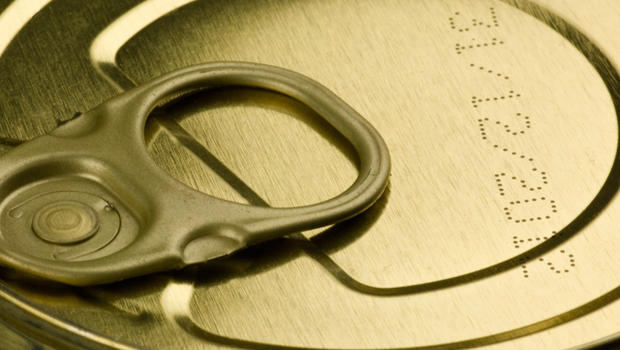
Expiry date means that your food has gone spoilt from that date and you should never consume it. It is no longer safe to eat such foods as they would lead to illness and in extreme cases, death. Best Before Date on the other hand tells you that the food is no longer in its perfect shape from that date. It may just lose its freshness, taste aroma or nutrients. It does not necessarily mean that the food is no longer safe to eat.

Expiry date is not something we see on every food product. Unlike Best Before Dates, there are five types of products that are labelled with an expiration date:

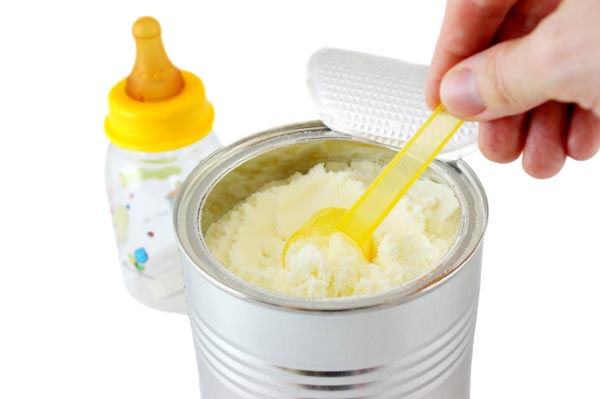
  • Baby formula and other human milk substitutes.
  • Nutritional supplements.
  • Meal replacements.
  • Pharmacist-sold foods for very low-energy diets.
  • Formulated liquid diets.
baby formula

However, it is easy to find best before dates on nearly every item in the supermarket.

2. Best Before relates to Quality, Expiry Date to Safety

Best before dates indicates that the quality of a food material can no longer be guaranteed after that date, so this is a Quality indicator. On the other hand, Expiry Date indicates that a food has gone bad and should not be eaten. You put yourself in danger if you eat the food after its expiry date.

expiration date

In a country like the U.S.A., foods that are perishable (e.g. cheese) are required by law to have an expiry date but something like a sleeve of crackers or a box of cereal doesn’t need to be dated. The best before date added to the packages of these food material are mostly voluntary.

3. It’s Possible To Eat Food After Best Before Date Without Falling Ill

Like I said earlier at some point in this article, best before dates do not relate to the safety of a food product, it is just about quality. This means that we can still eat a food that has passed its best before date; the food would just likely not be in its best quality state. It might have lost some nutrients or changed colour.

Manufacturers usually choose best before dates through sensory testing over a period of time. Testing may be scheduled for 1 month, 3 months, 6 months and 9 months after the product was manufactured. This depends on the food that is being tested.

The truth is that manufacturers choose mostly 20% earlier date than the best before date. If the food’s quality can no longer be guaranteed after 100days of storage, manufacturers would normally put the best before date at day 80 after manufacture.

Now that you know these things, I would like to ask you a question…


Your feedback is highly appreciated!!!

Categories
Food Recipes

How to Prepare Ewedu Soup (Recipe)

This recipe for Ewedu soup is more like a sequel to my post on the health benefits of Ewedu. It was going to be a part of the post until I spoke with a friend who suggested I could treat the Ewedu recipe as a separate subject on its own. He was right, this is a topic that should be talked about on its own because of this believe an appreciable number of people have about Ewedu.

Preparing Ewedu And What Some People Believe

Just like my 36 year old client perceived Ewedu as a difficult vegetable to prepare, a handful of people seem to believe same. Far from it, it is clearly simple to prepare. Follow the simple steps below and you are good to go.

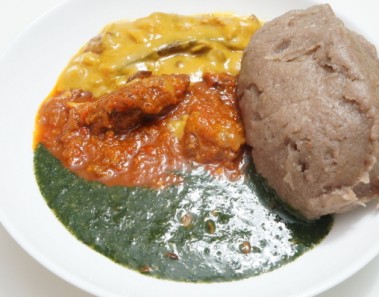
Ewedu Amala and Gbegiri
Photo Credit: 9jaFoodie

Ingredients For Cooking Ewedu Soup

The following are what you need to cook Ewedu soup. Some of these are optional as you do not need to add them to get the perfect Ewedu that draws and produce the attractive green colour we love.

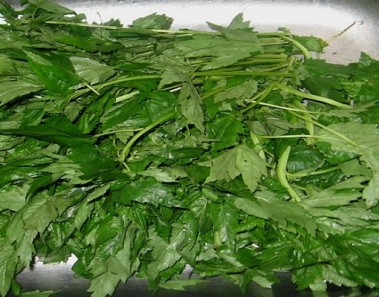
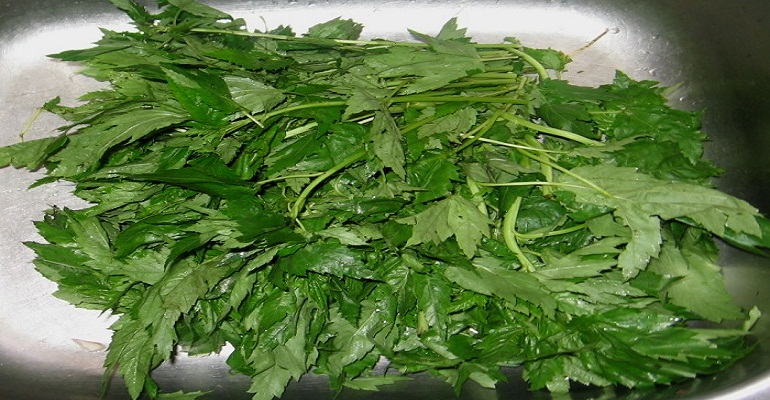
  • Ewedu leaves
  • A dash of potash (Optional)
  • Locust beans (Optional )
  • Cray fish (Optional )
  • Salt
  • Water (Depending on the quantity of Ewedu you want to cook)

Step by Step Method of Preparing Ewedu

The following are the steps involved in cooking one of the most famous draw soups in Nigeria – Ewedu.

  • Ensure you pick your Ewedu leaves properly, wash the picked leaves with clean water and drain the water.
  • Add water to your cooking pot and place on cooker (Low heat)
  • Add a dash of potash to the water to help soften the leaves.
  • As the water boils up under low heat, add your Ewedu leaves
  • Cook for about 10 minutes to 15 minutes. Avoid colour discolouration.
  • Take it off the fire and use a blender or broom to whisk it.
  • After it had been properly whisked, place back on cooker, add a pinch of salt, locust bean and crayfish as you would prefer.
  • Cook for a minute or two….YOUR EWEDU IS DONE AND READY TO BE SERVED.

ALSO SEE: Numerous Health Benefits of Ewedu You Don’t Know

That is how to prepare Ewedu soup and of course, you can be adventurous with your method of cooking Ewedu and I am certain you and your family will love it. Do not forget to share this article.

Categories
Food & Nutrition

Ewedu: The Numerous Health Benefits You Don’t Know

Ewedu – The Super Vegetable: How could I have ever thought that I will enjoy Ewedu vegetable now? I had constantly condemned it as I never encouraged its consumption in my family. By the second day of my Mother’s in law visitation I knew I had no option than to cook it for her since she is a complete Oyo woman who cannot do without Amala and Ewedu. Shortly after I took the bold step to learn the process of making the soup from a Yoruba friend, I found it was completely simple to prepare. Joining my mother in law in taking a bite on the meal, I was completely surprised by how delicious it was when combined with Amala. These were the words of a 36 years old Delta woman married to an Egba man.

ewedu vegetable

The jute leaf which is commonly called Ewedu among the Yoruba people have been part of the south westerner’s diet for so many decades. A few people who do not enjoy it describe it as a weed, while others cannot completely describe how delicious and medicinal this natural green is when regularly consumed. Ewedu is clearly rich in plenty micro nutrients that have been found to help many in reducing one’s chances of developing certain illnesses. The vegetable can be enjoyed in different forms. It can be eating with Gbegiri (a local soup made from beans) or with Melon soup. I bet whichever you choose; you will definitely enjoy the delicacy if combined with Amala (Yam Flour dough).

The Numerous Health Benefits of Ewedu

Cochorus olitorius as the leafy vegetable is botanically called have been scientifically proven to be efficient in the improvements of certain conditions in people for more than a century. Research has shown that the different varieties of Ewedu possess very important and valuable vitamins and antioxidant that will be of immeasurable nutritional and therapeutic value to our body system. The main vitamins in this vegetable are A, C and E, which are key to protecting the body from degenerative diseases such as Cancer.

The leave provide low calorie and an adequate source of fibre which has made it key in weight management. Also, some certain traditional healthcare providers have used the leaf in the prevention of constipation, dysentery and infestation of worms. In fact some old Asian health specialists have reported to have used it for pain and pile reduction.

If you can recollect correctly, as the world battles with finding a permanent cure for the deadly Ebola Virus Disease, it was reported that one Professor Adebukola Adefule Oshitelu, Professor of ophthalmology at the Lagos State Teaching hospital, LUTH, claimed that jute leaf commonly called Ewedu has the ability of curing Ebola.

He claimed the leave has the capability of preventing the proliferation of the Virus. While this information could just be a mere speculation and has not been confirmed yet, it is a clear indication that the vegetable contains various medicinal qualities that made the professor utter such statement; only if further researches could be conducted on it. I am certain that if these claims had been reported or speculated by even a British or an American incompetent professor, more considerations would have been given to it.

However, the point remains that Ewudu boosts immunity and nourishes our body system. This in itself is one of the greatest health benefit you can get from any food. If you don’t like Ewedu, you may want to start adding it to your diet because of its health benefits.

RECOMMENDED: How to Prepare Ewedu Soup (Recipe)

Categories
Food Safety

Health Hazards of Microwaved Food? Should You Stop Eating It?

In one of my previous posts where I discussed the misconceptions people have about irradiated foods and answered the question asking if irradiated foods are safe, I promised to talk about microwaving of foods. Just like irradiated foods, many people believe that microwaved foods are not safe. Worse, some don’t even know that microwaving and irradiating foods are two different processes, making use of different technologies. I will explain all about it in this post.

What is the difference between Microwaved & Irradiated Foods?

To treat foodstuffs with radiation, they are exposed to a radioactive source, for a set period of time to achieve the desired dose. Radiation may be emitted by a radioactive substance producing Gamma rays, or by X-ray and electron beam accelerators.

food in microwave oven
Photo Credit: peredelka.tv

This is how a microwave works – It makes use of an electronic tube called a magnetron. When you switch on the microwave oven, the microwaves are dispersed in the oven cavity and reflected by a stirrer fan such that the microwaves are propagated in all directions. They are reflected by the metal sides of the oven cavity and absorbed by the food. Uniformity of heating in the food is usually assisted by having the food on a rotating turntable in the oven. Water molecules vibrate when they absorb microwave energy, and the friction between the molecules results in heating which cooks the food.

So, is it safe to microwave your food?

Absolutely! Let me first clear the misconception that foods cooked or heated in a microwave oven become “radioactive” or retain microwave energy. They do not! When people say they cause loss of nutrients in food, they forget that boiling causes loss of nutrients too. Some are lost in the boiling water and others through the heat.

I have also seen messages circulated sometimes by email that microwaving food in plastics causes a substance called dioxin to leach into the food. Dioxin is not present is a plastic material. It is only produced when plastic is burned. As long as you don’t burn the food in your plastic container in the microwave, you aren’t exposing yourself to dioxins.

According to an article by the World Health Organization (WHO), using a microwave oven to heat your food is as safe as using a conventional oven. Nutrients are both lost in the two methods of cooking/heating.

Excerpts;

When used according to manufacturers’ instructions, microwave ovens are safe and convenient for heating and cooking a variety of foods. However, several precautions need to be taken, specifically with regards to potential exposure to microwaves, heat burns, and food handling.

Food cooked in a microwave oven is as safe, and has the same nutrient value, as food cooked in a conventional oven. The main difference between these two methods of cooking is that microwave energy penetrates deeper into the food and reduces the time for heat to be conducted throughout the food, thus reducing the overall cooking time.

There are dangers associated with microwave ovens, such as exposure to radiation and severe burns. This is why it is always recommended that you close the oven door before you start it; some would not even start heating the food until you close the door.

I have also come across articles that pointed out the presence of compounds such as bisphenol-A (BPA) and phthalates in microwaved food but I believe these have migrated from the plastic materials in which the food was put in during microwaving. I would advise that you use plastic specially made for microwaving of foods. They are labelled as such these days.

Here is one piece of advice I came across sometimes ago and have always believed – If you’re concerned about plastic wraps or containers in the microwave, transfer food to glass or ceramic containers labelled for use in microwave ovens.

IMPORTANT READ: Dangerous To Microwave Foods In Plastic? See Answers!

Categories
Food Processing Food Safety

Is It Safe To Consume Irradiated Foods? Answers!

“When food is exposed to high doses of ionising radiation, the chemical composition and nutritional content of food can change. Radiolytic by-products are often formed in irradiated food. Very few of these chemicals have been adequately studied for toxicity. One such chemical – 2-DCB – can cause DNA damage in rat colon cells at high doses.” This is just one of the numerous claims I came across in an article titled “Food Irradiation – the problems and concerns” on www.foodcomm.org.uk.

I am a graduate of Food Science & Technology and I studied Food Irradiation a little extensively at Masters level. I read a lot of reports and I know that consumer perception of foods treated with irradiation is more negative than those processed by other means. As a Food Scientist, I know that every food processing method changes the composition of our food material, loss of nutrients, binding of different components and/or formation of toxic substances in food.

irradiated foods
Photo Credit: doctorfeelgood.co.nz

The Important Benefits of Irradiating Food Materials

Before I address the issue of whether irradiated foods are safe or not, let me tell you why we irradiate foods and what advantages it comes with.

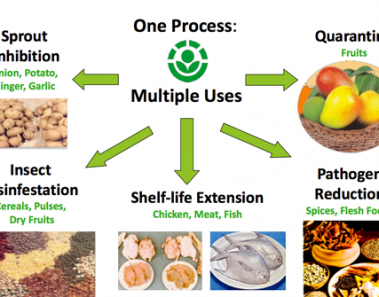
  1. We irradiate our foods to prevent food-borne illness. During irradiation, the genetic materials of illness-causing microorganisms in our foods are destroyed.
  2. Irradiation is being used to destroy or inactivate organisms that cause spoilage and decomposition of food. This extends the shelf life of foods.
  3. Irradiation can effectively replace the use of pesticides to get rid of insect pests in tropical fruits. Irradiation destroys insects and their eggs in fruits, thereby preserving the food material.
  4. Irradiation can also be used to prevent sprouting in food such as yam, potatoes, onions and delay ripening of fruit to increase longevity.

Irradiated food is a cold process unlike pasteurization and other thermal processes: hence the food is still essentially “raw or fresh”, because it hasn’t undergone any thermal process.

To cap it all, food can be subjected to irradiation to make them sterile for people with very poor immune system to consume. People who have poor immune system would have complications when they consumed food with even mild contamination. Irradiation can create the appropriate and essential foods for them.

Are irradiated foods safe or should you avoid them?

Let us get the the issue of whether it is safe or not. As far as people like me are concerned, food irradiation is a processing and preservation technique with similar results to freezing or pasteurisation. I have read many arguments for and against food irradiation – research has shown that when food are exposed to the right amount of dose, they are safe to consume. This is just like taking prescription drugs; there is dosage and when you take more than the right amount of dose, problem starts.

Also, the exposure time matters a lot. This is the length of time for which a food material was exposed to radiation treatment.

The opponents of irradiated foods have not been able to prove that irradiated foods will cause adverse health effects. What they all say is that “science has not been able to prove that irradiated foods do not cause adverse health effects after long term consumption”.

Studies have shown that foods are not significantly changed in nutritional value and they don’t become dangerous as a result of irradiation. For example, at irradiation levels approved for use on specific foods, levels of the thiamine are slightly reduced, but not enough to result in vitamin deficiency. This occurs in other forms of processing where heats destroys nutrients,  vitamins are leached when we cook in water and so on like that.

Let me use this opportunity to make it clear that irradiation does not make food radioactive. In food processing, the radioactive sources permitted do not generate gamma, electrons or x-rays of sufficient high energy to make food radioactive. Radioactive energy does not remain in food after treatment.

To conclude my argument for irradiated foods, the FDA website states on irradiated foods: “The FDA has evaluated the safety of irradiated food for more than thirty years and has found the process to be safe. The World Health Organization (WHO), the Centers for Disease Control and Prevention (CDC) and the U.S. Department of Agriculture (USDA) have also endorsed the safety of irradiated food.”

ALSO SEE: Click Here To Know If You Should Stop Eating Microwaved Foods

Your Own Take On Irradiated Foods…

You can tell me what you think about irradiated foods or ask any questions using the comment section on this page.

Please note that irradiated foods can easily be identified in the market and you can decide if you want to buy and eat them or not. How do you identify irradiated food? Just click here to see what they look like.

Categories
Food Safety

How To Know A Food That Has Been Irradiated

What are irradiated foods? Are irradiated foods safe? Is it safe to consume microwaved food? What foods are irradiated? How do I know if the food I purchased has been irradiated? These are all the questions that I will definitely answer, but not all in this post. This post is just to show you how to identify irradiated food, so, it is going to be very short and straight to the points. There are just two ways to know irradiated foods and I will share them below.

How Will I Know if My Food Has Been Irradiated?

Many people in different parts of the world have shown serious concerns when it comes to the issue of irradiated foods and genetically modified foods. Many of them agreed that irradiated foods are not safe and hence, should not be consumed. We all have the right to determine what to eat. Food manufacturers are also bound by law to reveal some special treatments foods are subjected to, so it is easy to know an irradiated food. You can then decide whether you want to eat it or not.

fruits and vegetables
Photo Credit: med-health.net

Here are the two things to look out for;

1. International food laws and food laws in countries where irradiated foods are packaged, shipped to, and consume require that foods that have been exposed to ionizing radiations be labelled with the Radura symbol. So, you can look for the Radura symbol (shown below) on food packages.

radura logo


2. The food must also, in addition to the Radura symbol, come along with the statement “Treated with radiation” or “Treated by irradiation” on the food label. With this, identifying irradiated food has been made very easy by binding food laws. These laws are also very strict.

For example, bulk foods, such as fruits and vegetables, are required to be individually labelled or to have a label next to the sale container.

In my upcoming posts, I am going to address the questions I asked us at the beginning of the article. What are irradiated foods and are they safe for consumption? Many of us consume microwaved food everyday and we would like to know if this is safe. I will definitely answer that too.

RECOMMENDED: Are Microwaved Foods Safe For Consumption?

Categories
Food & Body

Does Beer Truly Cause Pot Belly? Is It Just A Myth?

Is it true that beer causes pot belly in men or beer drinkers in general? Is it just another myth? Well, let me tell you that beer is implicated in the development of pot belly; but can we blame beer alone for this? No, I don’t think so. Now that we know that consumption of beer contributes to a beer belly, as some would call it, let me tell you how it happens and maybe you can know how to prevent, minimize or get rid of that pot belly.

Here is how beer causes your pot belly

1. There are calories in beer and these ultimately are stored as fat. This is not peculiar to the calories in beer but any calories that you may consume from any source – including foods. It is however so sad for this guy call “Beer” that it seems to be the scape goat every time someone that has a pot belly evaluates his belly. But this is not so far from the truth because it is very easy to overtake the calories in beer. I know guys that take 8-10 bottles in one night.

bear pot belly - man drinking beer
Photo Credit: dreamstime.com

If we consider the fact that a typical beer has 140-150 calories in it, downing ten in one night contributes about 1500 calories to your body. Since in a lot of men, fats are easy to store around the mid-region of the body, the belly starts protruding.

Let me just make this clear before I muddle everything up. You may have noticed that I talk about eating carbohydrate and get fat stored in your body. That’s how it works. When you take in more calories than you burn, the excess calories are stored as fat.

2. When we drink beer, we usually do not drink alone, we eat suya (which also has its own dangers), beef, chicken wings, pork, Pizza and foods that have contents with high calorific values. This act alone adds more calories to our body but we blame only beer and forget these accomplices.

3. Alcohol increases appetite for food, so when we spend long hours taking beer and gisting with friends, we tend to take more of whatever we are eating. This contributes more to our calorie intake. They all end up as fat in our body.

4. Finally, it has been established that “In general, alcohol intake is associated with bigger waists, because when you drink alcohol, the liver burns alcohol instead of fat.” This is according to Michael Jensen, MD, an endocrine expert and obesity researcher with the Mayo Clinic in Rochester, Minn.

You may be wondering that there are beer drinkers that do not have pot bellies. Yes, there are so many of them that I know too. This is because  The part of your body where this fat is stored is dependent on several factors such as age, sex, and hormones. As we get older, our metabolic activities may drop which in turn affect how much we burn the calories that we take in.

Pot belly is linked to a variety of health problems such as type II diabetes, high blood pressure and cardiovascular disease. Therefore, we have to find a way to prevent or get rid of pot belly (if we already have it).

Here is an article that tells us about the foods we can eat to get rid of pot belly.

Categories
Food & Body

Energy Drinks Damage Your Teeth! Should You Stop Drinking?

If you have not read my bio before, you may not know that I studied Food Science and Technology in school. However, I did not come across this issue of Energy/Sports drinks and their effects on the teeth. I was to give a seminar presentation on the recent industrial uses of casein and whey protein when I came across a research that tested how whey protein could be used to reduce the damage caused by sports drinks on the teeth enamel. I was surprised to know that sports/energy drink could be deleterious to the health of our teeth.

What are the negative effects of Sports/Energy Drinks on Teeth?

Let me start by telling you that many food we consume have one effect we may not like on our body. How much effect they have just depends on how much you eat them. So is the case of this energy drinks too – how much exposure of your teeth to to this drink will determine how quickly your enamels wear. This is called dental erosion.

tooth erosion
Photo Credit: amkdental.com.au

According to a particular study these drinks can damage the teeth beyond repair. “The big misconception is that energy drinks and sports drinks are healthier than soda for oral health,” says researcher Poonam Jain, BDS, MPH, associate professor and director of community dentistry at the Southern Illinois University School of Dental Medicine.

Poonam Jain’s team tested 13 sports drinks and nine energy drinks for acidity. They tested six drinks for their effects on tooth enamel and what was their discovery? Both types (Energy Drink and Sports Drink) caused damage. The erosion caused by energy drinks, however, were twice as bad. Damaged tooth enamel cannot be fixed.

Should you believe the results of these researches?

Experts in the beverage industry have critisized many of these researches. They claim that the experimental teeth were placed in the drinks for excessive periods which do not truly represent how much time our teeth get exposed to the drink when we take them.

So, should you stop Sports & Energy Drinks because of your teeth?

Let me first let you know that exposure of the teeth to these kind of acids over a long period cause tooth decay. Apart from this, they are also not good for your belly, and oesophagus if you are prone to acid reflux.

What I would advise is to make sure you rinse your mouth with water after taking these drinks. This should help clear away any of the drinks that may have stayed between teeth and stick around gums.

Also, do not was your teeth immediately after taking these drinks. Your teeth are softer after taking these sport or energy drinks, brushing may scrape off your enamel little by little. That is why you would feel some little pain sensation when you do this. You get a feeling that the brush is already touching your dentine.

ALSO SEE: Top 3 Foods That Damage Your Teeth

Now that you know what energy drinks can do to your teeth, it is left to you to take moderation as your watch word.

COMING SOON: Negative Health Effects Of Soft Drinks & Energy Drinks On You!

Subscribe to our updates for FREE if you do not want to miss these articles…

Categories
Food Processing

The Dangers of Cooking Food With Too Much Salt

Cooking with too much table salt (also known as Sodium chloride) has some side effects on your health. If you do not know this before coming across this article, now you do. I don’t want you to get me wrong, table salt has a lot of benefits it does to our body – from supplying electrolyte sodium to maintaining fluid balance within your cells. Salts are often fortified with Iodine these days in order to prevent Goitre.

How Much Salt Is Good For The Body?

Up to 1,500 milligrams of Sodium is needed by our body each day. This can be supplied by the amount contained in 3,800 milligrams of salt, according to the Linus Pauling Institute. But many people consume more than this amount each day without noting the adverse effects it has on their body system. So what are these side effects?

Image Credit: mturkgrind.com

Swelling In Parts Of The Body

Sometimes you wake up to see your eyes puffy or swollen. This may be due to water retention around your eyes caused by too much Sodium in your body cells. The amount of sodium in the extracellular fluid helps to determine the amount of water your body retains.

If you have too much salt in the body, the Kidney would normally reduce the amount of water passed out through urine in order to balance the salt level in the body. The effect you see is swellings in parts of your body, like the eye example given above, hands and feet. The skin around the eyes are so thin, so the effect is pronounced there. This effect may also vary with age.

Dehydration Of The Body?

This can be very obvious when you start getting thirsty frequently. You may be wondering how this could possibly happen when I just said that too much salt retains water in the body. Yes, water retention happens when you consume enough water. What happens when you don’t? Salt in your body needs water to balance it out, but when you don’t have enough without water in your diet, your body may pull water from within your cells. At this point, you would normally start seeing symptoms such as nausea, dizziness, stomach cramps and thirst.

Too Much Salt Causes High Blood Pressure!

As explained above, too much Sodium and chloride in the body can make the body retain more water than necessary. The extra fluids that build up in body tissues in turn increases volume of the blood. The increased volume of the blood causes it to push against blood vessel walls — and the result is high blood pressure, or what we call hypertension.

Since symptoms of high blood pressure are not usually very obvious at the initial stages, damages to blood vessels, as well as the heart and kidneys would have happened. The most common noticeable effects of high blood pressure are usually stroke or heart attack.

Like it was pointed out in the first paragraph of this article, cooking salt or table salt has a lot benefits in the body but this should not exceed the recommended daily intake.

Categories
Food Safety

Suya And Reasons You Should Consider Stopping Eating It

Suya as it is being made and sold in many places should not be eaten because of the risks and dangers associated. I will try as much as possible to explain this in very simple and clear terms. This is to enable even a layman read and understand the message of this post. I promise not to mention terms such terms as benz[a]anthracene, Fasciola hepatica and Taenia saginata. In fact, forget I mentioned those three. All I just want you to know are the risks and dangers associated with eating just any Suya.

What is Suya?

If you are reading this, you probably know what Suya is. But by way of definition, Suya is a spicy skewered meat which is a popular food item in various parts of Nigeria and is enjoyed as a delicacy in many parts of West Africa. It is traditionally prepared by the Hausa people of northern Nigeria, Cameroon, Niger, and some parts of Sudan.

suya

Health and Safety Issues Associated With Suya Consumption

Forget the dirty environment and poor or zero hygiene conditions in which Suya is made and handled in many places in Nigeria, there are other dangers that are inherent in the consumption of Suya – those that many would never know unless they are Food professional or have come across an article like this that explains it.

1. Suya and Polycyclic Aromatic Hydrocarbons

Click 2 below to navigate to the second page to see other reasons Suya is not so good for us…