Categories
Food & Nutrition

Questions On Cow Skin’s (Ponmo) Nutritional Value Answered

Cowskin in local parlance in Nigeria is called “pomo” (sometimes spelled as Ponmo). I prefer to choose the latter. In Nigeria and many other developing countries where the skin of cows and other animals like sheep and goats are separated and sold separately, it is mainly due to poverty. The cost of beef has led to more people opting for cow skin, which is a lot cheaper. Please be informed that the cow skin is subjected to some form of treatment by the processors before it is being sold as Ponmo. That is not the subject of this discussion.

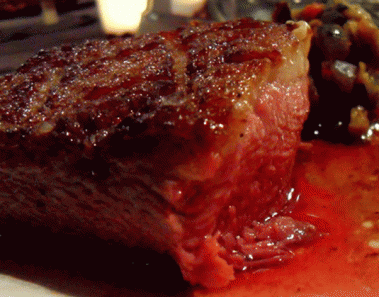
ponmo cow skin

Before I talk about the nutritional value of ponmo (cow skin), I want to just share this with you on a lighter mood; a news article published by the BBC about cow skin and Nigeria sometimes in the year was titled “Nigeria eats its shoe leather”. Yes, we eat so much of ponmo that we have no cow skin left for the leather industry. In the article, Dr. Samuel Achi, the provost of Federal College of Chemical and Leather Technology, Zaria, noted that “pomo eaters have decided to walk on bare feet because they have decided to eat their own shoes in their pots”.

So, Is Cow Skin (Ponmo) Nutritious?

In most developed countries of the world, cow skin is generally not used as food. Hence, there are little or no research works on the nutritional value of cow skin. A large proportion of the cow skins are being shipped to the leather industry where they are converted to shoes, cloth and more.

RECOMMENDED: Every Animal Meat Is Not Beef! See All Their Names.

There is limited information on the nutrients available in Ponmo. The only authoritative article you would see online is seen on PunchNG in a news article that reported events at the third joint anniversary of the Animal Science Association of Nigeria and the Nigeria Institute of Animal Science, held at the University of Ibadan in 2014.

The Minister of Agriculture and Rural Development, Dr. Akinwunmi Adesina, also spoke at the event entitled, “Value addition in the Nigerian livestock industry: A strategy for economic growth and stakeholders’ empowerment.”

The article on PunchNG and other sources reported the nutritional benefits of ponmo as follows:

The nutritional analysis of a 40 gram piece of ponmo is:

Calories (150g); Total fat (4g); Saturated fat (1g); Poly saturated fat (0g); Mono saturated fat (0g); Trans fat (0g); Cholesterol (0g); Sodium (0mg); Potassium (0mg); Total carbohydrate (0g);

Dietary fibre (0g); Sugars (0 per cent); Proteins (0 per cent); Vitamin A (0 per cent); Vitamin C (0 per cent); Calcium (0 per cent); Iron (0 per cent).

From this analysis, you will see that ponmo is lacking in all essential nutrients. However, I have seen adverts by some food processors/manufacturers in China who claim to make nutritional kpomo or ponmo. They claim to have fortified the cow skin with essential nutrients. I have nothing to back up their claims.

It has also been pointed out by some people that it may just contain some protein. Yes, collagen is a protein in skin, muscle and meat of animals but for those of us that know, there is something called Protein Quality. Collagen is not a complete protein because it is lacking in the amino acid tryptophan.

Although Collagen has a lot of applications in medicine and food industry (e.g. making gelatin), from a nutritional point of view, collagen and gelatin are poor-quality sole source of protein since they do not contain all the essential amino acids in the proportions that the human body requires—they are not ‘complete proteins’.

ALSO READ: NAFDAC Warns Against Eating Imported Chicken, Turkey

Categories
Knowledgebase

Is The Red Juice From Raw Red Meat Blood? Is It Safe?

Have you ever gone to the local butcher to purchase meat and on your way home you notice some red liquid dripping out of the meat? Have you ever been bothered if this is safe or not? is it blood? And considering the fact that zoonotic diseases could be in blood, what should you do? I am going to answer these questions in this post. So, this post is going to be short and straight to the point. This could make a lot of people extremely uncomfortable.

So, what is this red juice that drips from meat?

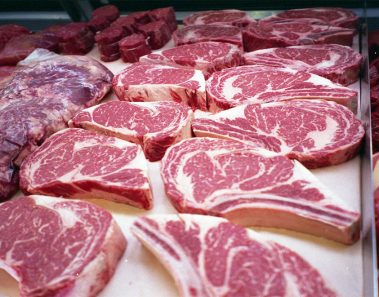
Let me tell you categorically that this juice is not blood. We can call this liquid a relative of haemoglobin in the blood. While haemoglobin gives the blood its red colour (due to presence of iron), myoglobin is what gives meat its dark red colour pigment.

RECOMMENDED: Every Animal Meat Is Not Beef! See All Their Names

This juice that drips out of the meat is actually water, sarcoplasm and trace amounts of myoglobin. This myoglobin also has iron it and that is why we get dark brown outside and grey inside – the iron atom is now in the +3 oxidation state. Myoglobin is not found in the blood stream of animals. The only time myoglobin is found in the bloodstream is when it is released after an animal sustains a deep muscle injury.

red myoglobin drip in meat
During slaughter, most of the blood goes out and only a small amount is left. Animals like mammals have more myoglobin and that is why they are called red meat. On the other hand animals like chicken have very small amount myoglobin, less red and hence the name “white meat”. The more myoglobin a meat has, the redder the meat.

Conclusively, this juice that comes out from fresh or raw meat is not blood. It is myoglobin and most of it are even lost when you cook the meat. It is therefore safe to consume in food.

Soon, I will write about more differences between red meat and white meat and which is better in terms of safety and the nutrient they give to out body. Some people also have concerns on whether it is safe to use the water in which the meat is being cooked for further cooking. I will answer all that soon.

ALSO SEE: What Are The Nutritional Values In Cow Skin’s (Ponmo)

If you don’t want to miss these articles when they are published, subscribe to our updates FREE!!!

Categories
Food & Nutrition

Cucumber And How It Improves Your Health

I cannot but remember when I had a patient with protruded belly and how we were able to achieve a remarkable result with cucumber. We came up with juicing up the melon and adding some oranges to it. It was really nice to taste. No wonder the 53 year old man lost a significant amount of weight after weeks of nutritional intervention. Clearly, very few people know the nutritional and health benefits of this green coloured vegetable. They prefer to consume fruits with sweeter taste. Fresh cucumber may taste “bland” to some but its thirst-quenching and cooling properties are refreshing and soothing.

What To Watch Out For In Choosing Your Cucumber

In order to maximise the nutrients in cucumber, it is important to choose the ones that still possess the green colour. You should avoid the yellow coloured cucumber. A yellow cucumber can also be the result of a virus, too much water, or a nutrient imbalance. Look for cucumbers with a bright, even colour of skin without dullness or sweating. The cucumber should look fresh. You have to test the firmness of the cucumber. A good cucumber is firm and does not bend. This firmness should be right through to the tips of the cucumber. Look for a fleshy cucumber but not too large in size. Smaller cucumbers have been found to be crisper and have finer seeds, making them more appealing to many children. Do not buy cucumbers that have blemishes, soft spots or yellowing.

Nutritional Benefits Of Cucumber

No doubt, cucumber has an impressive amount of water (about 95%), which makes it superior in dealing with dehydration compared to some other fruits. When you consume it, there is no need to peel off its skin as it contains a high percentage of vitamins A.

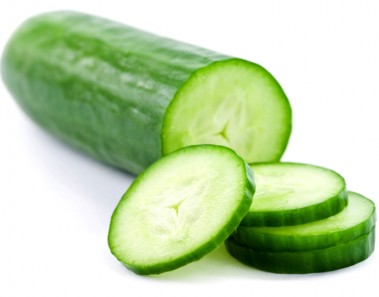
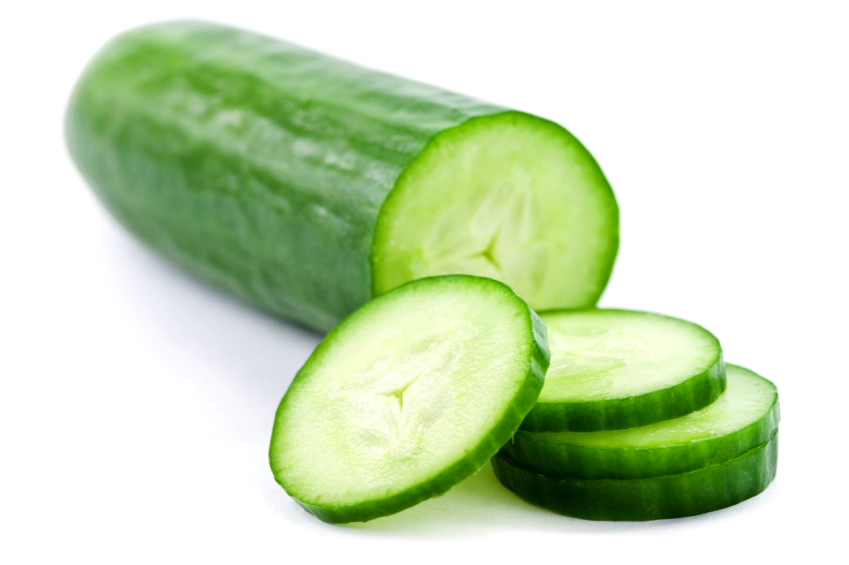
cucumber on the white background

Cucumber has an excellent source of vitamin A and C; two water soluble vitamins that are effective anti oxidants that helps in fighting infections and diseases.

Beauty practitioners have been able to utilize this vegetable in facial treatment. No wonder slices of it are placed on clients’ eyes and faces. Cucumber contains caffeic acid that helps prevent water retention. This acid prevents against swollen eyes. Its anti inflammatory property is excellent. Give it a try.

Researchers have taken time to study the presence of unique polyphenols in plants called lignans, and these health-benefiting substances have been studied extensively in cruciferous vegetables (like broccoli or cabbage) and allium vegetables (like onion or garlic). Thanks to hard working scientist who took out time to find out the lignan content in other vegetables like Cucumber. It is now known that Cucumber contains lariciresinol, pinoresinol, and secoisolariciresinol. These three lignans have a strong history of research in connection with reduced risk of several cancer types, including breast cancer, ovarian cancer, uterine cancer and prostate cancer.

Remember earlier that I spoke of how effective cucumber worked magic in managing the weight of one of my clients. This is no joke. It’s superb in weight loss and proper digestion – Due to its low calorie and high water content, cucumber is an ideal diet for people who are looking for weight loss. The high water content and dietary fiber in cucumbers are very effective in ridding the body of toxins from the digestive system, aiding digestion. Daily consumption of cucumbers can be regarded as a remedy for chronic constipation due to high fibre content.

While the cure of diabetes is not yet known, the proper management of this ailment is critical. Cucumber juice contains a hormone which is needed by the cells of the pancreas for producing insulin which has been found to be beneficial to diabetic patients.

Cucumbers contain loads of potassium, magnesium and dietary fiber. They all work effectively for regulating blood pressure. This combination of minerals makes cucumbers good for treating both low blood pressure and high blood pressure.

I am sure you know better on how Cucumber can help improve your health. If you find this article helpful, do not forget to share with your families, friends and loved ones.

Go Cucumber!

Categories
Food & Nutrition Knowledgebase

Differences Between Full Cream Milk And Skimmed Milk

When many of us go to the market or grocery stores to buy our Milk, we buy based on the brands that we like and do not take nutrition into consideration most times. Many of us have the impression that milk is milk and do not know that different manufacturers pack different types of milk for sale. Maybe if we understand that the different milks are not the same in composition and hence have different effect on our health, you would consider looking at that milk container when next you hit the grocery store.

If you have ever bothered to check the containers/labels of milk, I am sure you would have come across terms such as skim or skimmed milk and full cream milk or simply cream milk. They mean different thing and thus have slightly different taste (if you can sense that) and different health benefits.

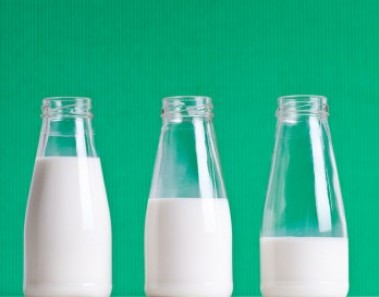
whole milk skim milk

The Differences Between Skimmed Milk & Full Cream Milk

Okay, let me start by giving a short description of milk. It is a whitish nutritious liquid secreted by the mammary gland of mammals and has a lot of health benefits. All mammals produce milk; however, the most common milk sold commercially is that of the cow. In some parts of the world, milk from sheep and goats are consumed and sold.

Full Cream Milk vs Skimmed Milk

1. Major Difference Between Skimmed Milk & Cream Milk

The full cream milk, also known as whole milk is the milk in the form we get them from animals while skimmed milk is whole milk from dairy cows that has had most of or all of its fat removed. So, if you are looking to burn down fat, you may not want to add to it by consuming more of whole milk.

ALSO SEE: Skimmed vs Full Cream Milk: Which Is Good (Better) For Your Health?

2. Saturated Fat Contained In Skimmed Milk and Cream Milk

A typical full cream milk would normally contain around 5 grammes of saturated fat per one-cup serving. This is 20 percent of the daily limit. Now consider that you may also eat other fatty foods such as cheese, butter, coconut oil and other foods rich in saturated fat in a single day. This makes it easy for you to overshoot 25 grams per day.

3. Nutritional Composition of roughly 236ml serving of milk

Full cream milk;

Protein: 7.9 g
Carbohydrates: 11  g
Calcium: 276.1 mg
Potassium: 349 mg
Cholesterol: 24 mg
Sodium: 98 mg

Same volume of skim milk:

Protein: 8.7 g
Carbohydrates: 12.3 g
Calcium: 349 mg
Potassium: 419 mg
Cholesterol: 5 mg
Sodium: 130 mg

4. Vitamin Composition of the 2 Milks

Some people prefer to take skimmed milk because it does not contain fat but what they don’t know is that, unlike full cream milk which contains both water soluble and fat soluble vitamins, skimmed milk lacks the fat soluble vitamins (A, D, E, K). This is because the Vitamins have been skimmed alongside with the fat during the production process. It’s simple, they are only soluble in fat, so they are dissolved in the fat. What happens when the fat is removed? The vitamins are removed too.

In conclusion, what you want from milk determines the type of milk that you choose when next you go shopping for milk. By the way, cream milk tastes better than skimmed milk. #JustSaying

ALSO SEE: Here Are The Brands of Yoghurt You Must Stop Buying

Categories
Knowledgebase

The Glycemic Indices Of Some Common Foods We Eat

The glycemic index of of a food is a number associated with that food; it indicates the food’s effect on a person’s blood glucose (also called blood sugar) level. We all have been given the impression at one time that all Carbohydrates are bad because they raise the level of our blood sugar. There are those ones with low glycemic index which only have little effect on out blood sugar.

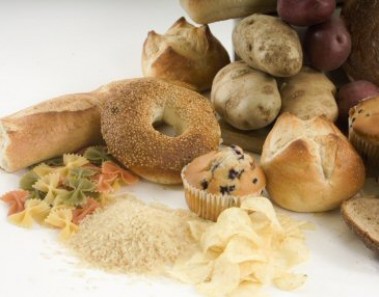
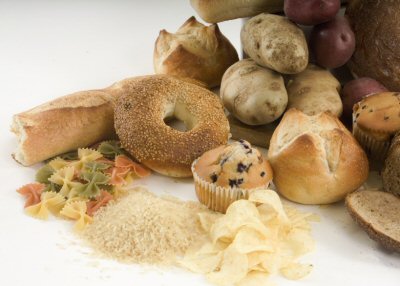
However, there are also carbs that create sharp increase in blood sugar and they can raise the risk of Type 2 diabetes, heart diseases and weight gain. Carbohydrates with low Glycemic Index (GI) of (0-54) or GL (<10) help to curb hunger and also provide you with more energy. This way, you eat less than you would normally eat and you start to lose the weight that you have been dreaming of doing.

carbohydrates foods

A short Guide on Glycemic Indices of Foods

High GI Foods = GI of 70+ (Try to avoid these foods)
Medium GI = 55 – 69 (use caution in eating them)
Low GI = 0 – 54 (These foods are not bad, they are what you want; look for foods with a low GI score)

Common Foods That We Eat and Their GI

FOOD Glycemic Index (GI)
(glucose = 100)
Serving size (grams)Glycemic load (GL)
per serving
Sponge cake, plain46±66317
White wheat flour bread70±03010
Coca Cola®, average58±525015
Fanta®, orange soft drink68±625023
White rice, average64±715023
Ice cream, regular61±7508
Milk, whole milk27±42503
Milk, skim32±52504
Reduced-fat yogurt with fruit, average27±12007
Banana, ripe5112013
Kidney beans, average27±41507
Spaghetti, white, boiled 5 min, average38±318018
Spaghetti, white, boiled 20 min, average61±318027
Microwave popcorn, plain, average72±17208
Potato chips, average54±35011
Yam, average37±815013

Foods with high Glycemic indices give you high blood sugar level and can lead to the onset of diabetes. They also add more sugar to your blood which the body breaks down into smaller units of carbohydrates and ultimately fat. Fat is not what you want much of it to be stored in your body, especially belly. Almost everyone don’t like belly fat.

Categories
Food & Body

Foods That Give You Fresh, Younger-Looking Skin

Many people don’t know that it is much more easier and convenient to use Foods to make your skin fresh and glow than using creams. Many people resort to using creams to make their skin look fresh and younger forgetting or not knowing that these creams contain ingredients that are carcinogenic. You don’t have to expose your skin to these kind of dangers; eat well and see your skin look fresh and younger.

5 Foods For A Fresh & Younger-Looking Skin

Skin beauty largely depends on the overall health of your body. Adding the right foods into your diet helps you fights wrinkles and get you glowing to keep you attractive and vibrant. This post will share with you, some of the foods that can help you achieve the kind of beautiful skin that you desire. Some of these foods help us by protecting skin from the damaging and ageing effects of the sun.

1. Eat nuts for fresh skin

Nuts will help remove signs of ageing and gives you some youthful appearance. Nuts in general are high in vitamin B complex help with not only skin cell restoration. They also help improve hair growth and dry skins.  Nuts such as Brazil nuts are also rich in antioxidants like vitamin E. This Vitamin E is skin-friendly and have been shown to improve skin’s circulation, this in turn helps a healthy skin glow.

It is a common knowledge that some nuts can be rich in fats. However, these fats are usually polyunsaturated and monounsaturated fats, which promote a healthy circulatory system. All nuts have different nutritional profile and will offer various health benefits, one of which is to help get a fresh and glowing skin.

Mixed nuts and seeds

Examples of nuts that fall in this category are; Almonds, Brazil nuts, Peanuts, Pecans, Sesame seeds, etc.

Categories
Knowledgebase

Every Meat Is Not Beef! See All Their Names

It is very common in this part of the world to refer to every meat from almost every animal source as beef or just meat. This is not only common amongst the not-too-educated but also among the well-educated. The exceptions are just meats that are totally different; of course, nobody would refer to chicken, turkey, snail and pork as beef.

The only distinction we seem to have gotten between meats that look alike in structure and appearance is that between beef and pork. These are the meats from cattle and pig respectively. They are the two we actually call their real names. It is hard to come across a person – even a stark illiterate, who would refer to pork as beef but when it comes to meats from goat, sheep and some other related animals, it is beef.

meats
Photo Credit: gab.giggle.com

Why am I writing article on names of Meat?

I was on a queue at a restaurant waiting to make my order when the man standing in front of me started raising his voice. I listened and found out that he was arguing with the waitress over names of meats.

The man already bought rice and plantain when this poor waitress asked what else the man wanted. “Put one meat”, the man replied. The waitress then asked him what kind of meat the man wanted to which the man replied, “What do you mean? Just put one meat”.

RECOMMENDED: Is The Red Liquid That Drips Raw Red Meat Blood? Is It Safe?

I could see the frustration on the face of the waitress but she calmly replied, “…but sir, we have different types of meat, like beef, pork…”. The man interrupted by asking one hilarious question: “why would you put pork? Is pork meat? Pork is pork and there is cow meat and goat meat!” I had to add my voice to save the helpless waitress. This was when I thought I should write about this because others joined the argument and I found out that people only knew what the meats from cattle and pig are called – beef and pork.

Special Names for the Meat of some Common Animals

Here are the special names for the meat of some animals that we may know and not know.

Animals Meat Name
Cattle (cow or bull) Beef
Calf (young cow) Veal
Pig Pork
Deer Venison
Sheep (Ram or Ewe) Mutton
Pigeon Squab
Water Buffalo Carabeef
Goat Chevon
Chicken Chicken
Turkey Turkey

Now that you know better, you should try calling these animal meats by their real names and you will definitely get used to it. This list is not exhaustive and we welcome contribution in form of comments.

If you think there is an animal meat we have missed here, you can share it with us using the comment section below.

ALSO SEE:  Is Cow Skin (Ponmo) Nutritional or Not? Questions Answered!

Categories
Knowledgebase

Signs And Symbols On Food Packs And Their Meaning

Many people just want to eat and do not care to know about what they are eating. This is one of the reasons people gain weight and later wonder why they are accumulating fat. We need to know the composition of the foods we eat so that we choose what is good for us and what is not. Some people have eaten foods that landed them in hospitals because they have refused to check the precautionary statements written of food packs.

Food laws have made correct and complete labeling a very important part of food manufacturing. Manufacturers are required by law to add labels to food packages to be a source of information that consumers like and trust. Since 2006, the major food allergens are required to be specifically noted on the Information Panel of the food label (i.e., fish, milk, soybeans, wheat, eggs, shellfish, tree nuts, and peanuts).

There are symbols that are printed on food packs to pass information to the consumer but often we either don’t check them or simply disregard them. This article will show you ten symbols or signs that you may have come across on food packages in the past. If you have not seen any of them before, you would likely come across it in the future. If and when you do, you would know the meaning.

11 Signs And Symbols On Food And Their Meaning

1. Microwavable or Microwave Safe Symbol

Manufacturers may use any of the above terminologies as they both mean the same thing. In one of my previous articles where I answered the question of “if microwaved foods are safe to eat or not“, I mentioned that there are plastics that are safe for use in the microwave. These plastics do not have toxic components that migrate into the food during microwaving.

microwavable symbol

So, how do you know if a plastic container is microwavable? The easiest way to confirm that a plastic container is safe for the microwave is to look for the Microwave Safe symbol on it. This stamp of approval, which includes three wavy lines to symbolize radiation (image above), basically says that the container can withstand the heat of the microwave without melting or releasing harmful amounts of chemicals.

2. Nutritional Compass or Nutritional Facts

Apart from the list of ingredients that make up a food product, most packaged food must have a listing of nutrients and related information on the Information Panel that is usually on the side or rear of the package. These would normally include such information as serving size, calories, fat, carbohydrates, sodium, protein compositions.

nutritional compass or facts

Claims such as “low fat,” “high fiber,” “reduced calories,” and “cholesterol-free” are also included on food packages as information to consumers who may have concerns about these components.

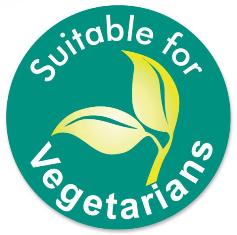
3. Suitable for Vegetarians Symbol

The Vegetarian Society defines a vegetarian as ‘someone living on a diet of grains, pulses, nuts, seeds, vegetables and fruits with or without the use of dairy products and eggs (preferably free-range).’ Having defined this, you should know that vegetarians try to stick with their veggies without adding animal foods to eat.

Since they are not part of the manufacturing of some of the foods they eat, they want to be sure that what they want to buy or eat is suitable for vegetarians’ consumption.

vegetarian label

However, the ‘Suitable for Vegetarians’ logo is not regulated. It is a ‘voluntary claim’, which means it is illegal for the labeling information to include anything that is false or likely to mislead. The symbol is shown above.

4. Treated with Irradiation (Radura logo)

For foods that have been treated with ionizing radiations, the Radura symbol comes along with the statement “Treated with radiation” or “Treated by irradiation” on the food label. With this, identifying irradiated food has been made very easy by binding food laws. These laws are also very strict.

There are many concerns over the consumption of irradiated foods and one of such is this that I shared on one of my recent posts assessing the safety of irradiated foods;

It states, “When food is exposed to high doses of ionising radiation, the chemical composition and nutritional content of food can change. Radiolytic by-products are often formed in irradiated food. Very few of these chemicals have been adequately studied for toxicity. One such chemical – 2-DCB – can cause DNA damage in rat colon cells at high doses.”

radura logo

Whether irradiated foods are safe or not is not the subject of this article, you can read further on that by clicking here. Whatever decision you make for yourself on irradiated foods – whether to eat it or not, identifying irradiated foods is easy with the above logo.

5. Allergen declaration

Allergen declarations are mostly precautionary statements on food informing consumers that the food may have a component that one could be allergic to. I wrote on allergies not long ago and also mentioned some of the common allergens in food.

Gluten in wheat flour could be an allergen, people could be intolerant to lactose and find it difficult to digest milk. Other common food allergens include Crustaceans, Eggs, Fish, Peanut, Soybeans, Tree Nuts, and Sesame seeds. You can read more about that here.

gluten free logo

There are instances where symbols are used to declare the absence of an allergen. For example, gluten-free symbol (above) is relatively common.

6. Organic labelling

These are used on organic foods and its use is totally voluntary. The food must be organic up to a particular percentage before an organic claim or statement could be made on the label. For example, In Canada the use of the organic logo is only permitted on products that have an organic content that is greater than or equal to 95% and have been certified according to the requirements of the Canada Organic Regime.

organic symbol

Above, is the organic food label! There are food that the manufacturer will want you to keep frozen. There is a logo that indicates that. See on next page.

7. Keep Frozen symbol

This symbol tells you to keep food frozen in order to keep the quality and shelf life for longer period. Some food materials will deteriorate rapidly if stored at normal room temperature. This symbol usually looks like the one below.

keep food frozen

Food such as butter and margarine can be frozen for 3 months. Grated cheese can be frozen for up to 4 months and can be used straight from the freezer. These are examples of common foods that we may see the symbol on.

8. Waste Disposal Symbol

This symbol is used on many products other than food packages also. It is usually called the Tidyman. It tells you to dispose of this packaging carefully and thoughtfully. Do not litter. Throw them in thrash cans after you and not litter the ground with it.

waste disposal logo

Above is the symbol telling you to properly dispose of your food packaging.

9. The Mobius Loop (Recycle)

The Mobius loop can be used for two different terminologies that should not be confused with each other because they both refer to recycling. I will explain the two briefly and put the symbol too.

recycle symbol - mobius loop

The Mobius loop indicates that an object is capable of being recycled – not that the object has been recycled or will be accepted in all recycling collection systems. Sometimes this symbol is used to indicate that the packaging is a product of recycling. It could come with a percentage figure in the middle to explain that the packaging contains x% of recycled material.

10. Halal logo

According to the Codex Alimentarius (Food Laws) of the Food and Agriculture Organization (FAO), Halal food means food permitted under the Islamic Law. The animal to be slaughtered should be lawful according to Islamic law. The food should be prepared, processed, packaged, transported and stored in such a manner that it complies with the Codex General Principles on Food Hygiene and other relevant Codex Standards.

Muslims don’t eat pork, Halal logo may also indicate that the food does not contain pork or a product of it such as fat. It generally tells Muslims that the food does not contain anything they are prohibited from eating.

halal logo

When a claim is made that a food is halal, the word halal or equivalent terms or symbol (as above) should appear on the label.

11. Bar Code on Food Pack

Just about every package of food you have ever purchased or seen has a bar code printed on it but we just don’t bother to check them or see the information they contain. The bar code has more information beyond what many people think.

barcode on foods

When the barcode is scanned, the computer system automatically determines if the product need re-ordering. This is a piece of information that could be very useful to supermarket owners. The price of the product appears when the barcode is scanned. It can also be used to determine if the product is genuine.

These are some of the important and relatively common symbols on our food packages that we should pay more attention to.

IN THE NEWS: Scientists Found A Way To Cook Rice To Reduce Calories In It

Categories
Food & Body

5 Foods That Help Fight & Reduce Belly Fat

In one of my previous articles in which I talked about the relationship between beer and pot belly, I promised to write an article listing foods that can help to reduce belly fat. I am here to fulfil that promise now. There are many reasons why you accumulate fats in the belly and I am going to discuss some while mentioning others in the process too.

You are definitely not being kind to your body if you can’t go a day without downing a bottle of carbonated drink. All these sugars ultimately get converted into fat in your body and depending on your sex, age and rate of metabolic activities, the fats might end up being stored in your tummy.

Eating late at night is also a bad habit that contributes to belly fat. Our body naturally breaks down the food we eat but this rate reduces when we go straight to bed after eating. We do not expend the energy we have, so the body does not try to break down the food to supply more energy. The best practice is to eat not later than 6pm in the evening and make sure we do not go to bed immediately after. When we go to bed on a full stomach, it also increases our risk of developing acid reflux and indigestion, since gravity is no longer able to pull everything in our belly straight down.

Belly Fat
Photo Credit: infomazza.com

If you deprive yourself of fats because you think it contributes to accumulation of fat in your body, you are wrong. There are very good and beneficial fats that help the body. The irony of it is that foods such as avocados, olive oil and seeds work well in eliminating belly fat for you.

Endeavour to get enough sleep everyday, adults should get about seven to nine hours of sleep each day. When we refuse to get enough sleep, the level of cortisol (stress hormone) in our body increases and causes the craving for sugary foods. We consume these sugary foods and add more calories to the body. Overeating, depriving our body of protein-rich foods and genetics also have their roles in how we process and store fat in the body.

Healthy eating and living in general will helps us reduce fats in our body but there are also foods that we can include in our diet to reduce belly fat. They help fight and reduce the fat in our tummy.

List of Five Foods That Help To Reduce Belly Fat

Navigate through the list of the foods by Clicking 1, 2, 3… below!

Categories
News

Scientists Found A Way To Cook Rice To Reduce Calories In It

Research has shown that a cup of the cooked rice has in it roughly 200 calories, most of which comes in the form of starch, which turns into sugar, and often thereafter body fat. Also, a study at the Harvard School of Public Health showed that cooked white rice contributes to the development of type II Diabetes. So now that we know this, are we going to cut down on eating rice? Are we going to stop eating rice totally? I don’t think this is possible.

white rice and stew

Rice is a staple food eaten all over the world because it is relatively cheap, easy to cook and can be cooked in several forms. Rice can be cooked white and eaten with soups/stews, cooked as Jollof, fried and coconut rice. In Africa and parts of the Caribbean, rice is mixed with beans to make it more delicious and nutritious but just like many carbohydrate foods, eating much of them as we eat rice can lead to intake of a large number of calories.

We all want to avoid taking in too many calories and thankfully scientists have discovered a simple way to cook rice that dramatically cuts the calories.

How To Cook Rice To Reduce The Calories Inside

I am going to use the words of the scientist, an undergraduate student at the College of Chemical Sciences in Sri Lanka to get you started and then explain in my own way to you after;

What we did is cook the rice as you normally do, but when the water is boiling, before adding the raw rice, we added coconut oil—about 3 percent of the weight of the rice you’re going to cook,” said Sudhair James, who presented his preliminary research at National Meeting & Exposition of the American Chemical Society (ACS) on Monday. “After it was ready, we let it cool in the refrigerator for about 12 hours. That’s it.

There are different types of starches that make up different starchy foods – some are easily digestible, while others are not (resistant types). The easily digestible one is broken down into units of glucose and ultimately glycogen. On the other hand, resistant starches cannot be broken down easily by the enzymes we have in our bodies.

The objective of this research was to reduce the amount of easily-digestible starches in cooked rice by modifying the way in which rice is being cooked.

“If you can reduce the digestible starch in something like steamed rice, you can reduce the calories,” said Dr. Pushparajah Thavarajah, a professor who is supervising the research. “The impact could be huge.”

This research is still ongoing and many other varieties of rice are being tested. Also, other types of lipids other than coconut oils will be used to see the impact on the reduction of calories in cooked rice. These tests may also be extended to other starchy foods such as bread.

My own concern about this research is what I know about having not easily digestible starches or carbohydrates in food. When we have carbohydrates that enzymes in our body cannot digest easily or digest at all, what mostly happens is that microorganisms break them down for us instead. This causes the formation of gas in our gut and consequently bloating, abdominal pain, and diarrhea.

Categories
Food Processing

The Unknown Dangers of Fried Foods & Re-using Oil

Hello friends, it is really my delight to write on this topic as I have had loads of families, friends and clients call me to find out what the real truth is about fried foods. There had been contradicting views from different professionals in the field of nutrition and body health on the benefits and dangers of consuming fried meals. While an ample of information is readily available for you to digest on the internet, a few of them are people and region specific which might be completely wrong for you to apply.

Are there healthy fats, which ones are dangerous?

Fats in the past few years had been labelled as a complete terror which have cause many illnesses and diseases. While these claims are true in a sense, it is clear without doubt that healthy fats exist and should be included in your diets. Omega 3 and Omega 6 fats found in fish, fish oils and some plant based foods need to be included in your diet at recommended daily intake. Usually at least 20 percent of your daily meals should include healthy fats.

frying chicken

For individuals who cannot give up on fried foods, it is important to make use of healthier oils. Unsaturated oils like canola, corn, peanut, soya bean oil should be used to fry your foods. These oils add fewer calories to the food than the regular hydrogenated oils which is commonly used especially in developing countries.

Categories
Food Safety

Are Zero or Sugar-free Drinks Truly Good For Your Health?

When I talk about zero sugar drinks in this article, I am not referring to 100 percent, no sugar fruit juice. I am rather talking about the common carbonated beverage drinks and some fruit drinks. You may be wondering what the difference between fruit juices and fruit drinks are; I will explain to you in an article soon.

Many people run away from drinks like Coca-cola, Fanta, La casera, and so on because they contain lots of sugar and hence calories. Many of us are aware of the relationship between sugar and diabetes, sugar and body weight increase and the myth between sugar and pile. I guess the manufacturers became aware of this too and started coming out with no-sugar and sugar-free versions of their drinks to get back the customers they have lost through the sugar scare. I think it worked.

ZERO COKE AND ASPARTAME

How Do They Make Soft Drinks Sweet Without Sugar?

As soon as people started seeing these “Sugar-free” and “No Sugar” drinks flooding the market, they were like “wow, just what we need”. We though we could now enjoy our favourite soft drinks without having to take in much sugar and ultimately calories. Well is this true? You will find out now.

Aspartame is now used in these soft drinks and beverages because it is about 200 times sweeter than sugar. So much less of it can be used to give the same level of sweetness. This, in turn, lowers the calories in the soft drink or beverage. Aspartame is made by joining together the amino acids aspartic acid and phenylalanine.

The concern people however have about this aspartame is that one of the products of its breakdown is methanol. It has been established that Methanol can be toxic in high amounts, but the amounts that result from the breakdown of aspartame is lower than that seen in even many “natural” foods. The problem is however the claim from a lot of people that aspartame cause cancer or helps the growth of cancer in people.
So Are Zero Sugar Drinks Good For Your Health?

I am going to provide you with excerpts from an article published by Cancer.org and let you decide for yourself;

On laboratory studies’

Many studies have looked for health effects in lab animals fed aspartame, often in doses higher than 4,000 mg/kg per day over their lifetimes. These studies have not found any health problems that are consistently linked with aspartame.

On studies in human,

Most studies in people have not found that aspartame use is linked to an increased risk of cancer.

What experts and regulatory bodies say about Aspartame;

The Food and Drug Administration (FDA) regulates the use of aspartame and other artificial sweeteners in the United States. In 2007, the FDA stated:

Considering results from the large number of studies on aspartame’s safety, including five previously conducted negative chronic carcinogenicity studies, a recently reported large epidemiology study with negative associations between the use of aspartame and the occurrence of tumours, and negative findings from a series of three transgenic mouse assays, FDA finds no reason to alter its previous conclusion that aspartame is safe as a general purpose sweetener in food.

The European Food Safety Authority (EFSA) assesses the safety of sweeteners such as aspartame in the European Union.

Overall, the Panel concluded, on the basis of all the evidence currently available… that there is no indication of any genotoxic or carcinogenic potential of aspartame and that there is no reason to revise the previously established ADI for aspartame of 40 mg/kg [body weight].

My own conclusion? Sugar free soft drinks and beverages in which aspartame was used are safe for the health. The level at which the methanol people complain about is present is even lower than that present in many natural fruits. What I just don’t like about this no sugar drinks is the taste they leave in your mouth after hours of consuming them.

Categories
Food & Body Food & Nutrition

Best Anti-ageing Foods To Include In Your Diet

There are several things involved in ageing and we cannot really talk about them all. We can only talk about some of them and tell you the foods you can regularly eat to help against these ageing process. For example, antioxidants such as vitamin C, zinc, and beta-carotene help protect your vision from macular degeneration, the leading cause of loss of sight after age 64.

This vitamin C has also been shown to help keep your skin looking younger. Did I mention that the antioxidants mentioned above can also help slow down the rate of macular degeneration if you already have it? Yes, they help!

Eating good food is not the only thing that helps us slow down the rate at which our body age but also avoiding the bad foods, the junks and craps that we eat.

Timothy Harlan, MD, an assistant professor of medicine at Tulane University School of Medicine said and we quote “Poor-quality foods, like trans fats, cause inflammation — and ageing is basically a chronic inflammatory state. Can you look older because you’re eating crap? Absolutely.”

ageing
Photo Credit: piximggif.com

For example, collagen is a protein that helps our skin stay firm and resist wrinkles. Consumption of too much sugar and processed carbohydrates (like bread, pasta and baked foods) can lead to damage in the skin’s collagen. The implication is that we start getting softer and loose skins with development of wrinkles.

Ageing is much more complicated than this, involving several degenerations on different parts of the body and organs. We have given few examples above so we can have an idea of what ageing looks like all over. So what foods can we include in our diet to retard the ageing process. We cannot stop it but we can make effort to slow it down.

5 Anti-ageing Foods To Include In Your Diet

Categories
Knowledgebase

Stop Buying Margarine as Butter. See The Differences!

Many people don’t even know that butter and margarine are not the same. I have spoken to people that just believed they are just different names for a single food item. If you also do not know, butter and margarine are not the same thing. Some margarine manufacturers have capitalized on this by advertising their margarines as butter – you hear people call cooking margarine cooking butter. I am going to show you what differences they have between them so that you will never walk into that grocery store and just pick anyone.

Main Differences Between Butter & Margarine

1. How Butter & Margarine Are Made

Butter is made from cream which rises to the top of milk if it sits for a period of time. The process involves churning the cream, a chemical reaction takes place which makes the cream begin to solidify. It is not as simple as this but I do not want to bring in all the jibber jabber that are actually useless to you.

Margarine on the other hand is made from solidification of vegetable oil in the presence of a catalyst through a process called hydrogenation. The solidifying process begins when hydrogen is bubbled through the vegetable oil (liquid) at a high temperature and in the presence of a catalyst to solidify it.

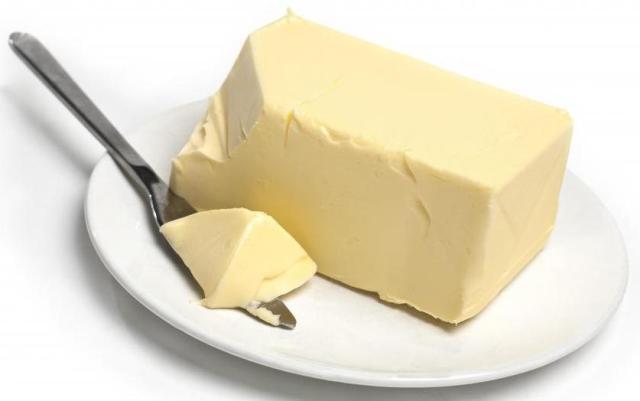
butter in a plate
Butter in a plate

The summary of all these is that butter is from animal source while margarine is from plant source.

2. The Price of Margarine and Butter

Butter are costlier than margarine. If you see butter and margarine of comparable quantity having the same price tag, please check very well as the butter might not be butter. Using taste as a factor might prove unproductive because the difference between butter and margarine can be very subtle, depending on manufacturers.

3. The shelf-life of Butter and Margarine

Butter and margarine have different shelf lives. Butter must be kept refrigerated in order to remain fresh for several days. Margarine should be refrigerated to maintain its solid form between uses, but it can remain stable much longer than butter.

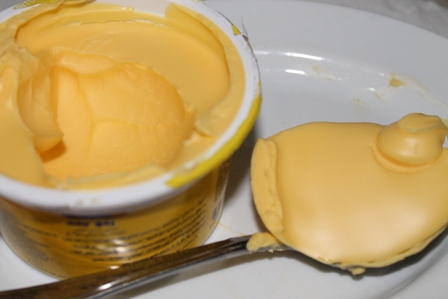
margarine
Margarine. Photo Credit – amuslima.com

Colour could also be a determinant as margarines are generally more yellow than butter. This test can however, not be used on its own because I have recently seen some margarines that are not as yellow as margarines used to be in the past. This is just my own observation but it could serve as the 12th player in the team when you need to make a decision.

When it comes to their nutritive value and health benefits and hazards, they both have their their good points and bad points. I will discuss it under a new topic – Butter or Margarine: Which Is Really Good For Your Health? in the nearest future.

Categories
Knowledgebase

How To Check Potential Dangers Written On Food Packs

Sometimes, we eat food and react to some components of the food but don’t really know what happened. This is because many people in this part of the world don’t know they are allergic to some food or food components. They don’t know their allergies, so they don’t know when they are reacting to them. Food allergies can be unpleasant, make life difficult and in the extreme cases, fatal. I will briefly explain what allergies are, give examples and discuss the main topic of this article.

Definition of Term: What Is A Food Allergy?

Food allergy is an abnormal response to a food, triggered by the body’s immune system. There are several types of immune responses to food. This should not be confused with Food Intolerance.
An example of food intolerance is Lactose intolerance – a condition when the gut has a reduced capacity to break down lactose. This usually happens when there is reduced lactase – the enzyme that brakes down Glucose. So when you take milk, which is high in lactose when you have very low lactase level, microorganisms break down your lactose for you instead. This causes formation of gas in your gut and consequently bloating, abdominal pain, and sometimes diarrhoea.

I will write a separate article to guide you on how to know if you are allergic to a particular food or how to know which food you are allergic to. The purpose of this topic is to show to you that these potential dangers are written by food manufacturers on their packs. The problem is that many people don’t just take time to read these things.

Common Allergens Found In Foods We Consume

Here are some allergies that are present in foods we commonly eat. Examples of foods are also given in each case with some picture proofs to show that manufacturers do make it clear. A statement telling you that the allergen is present or that a food or ingredient that may contain the allergen is usually printed on the pack or label of the food.

For example, you would normally see “May contain Gluten” appearing on a product of Wheat, Barley, Rye, Oat, etc.

1. Gluten – Present In Wheat, Barley, etc.

There are people that are allergic to this composite of protein that we find in wheat, barley and some other grains. As gluten is present in Barley, it may likely be present in products of barley such as malt drinks and some cocoa beverages. The same thing can said of products from wheat, such as wheat flour.

allergen declaration on Milo

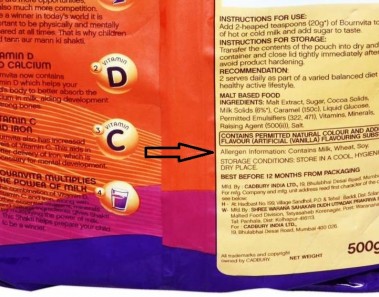
The image above is showing a declaration of gluten (the allergen) on a label of Milo – a cocoa beverage that also contains malt. The image below is showing allergen declaration on a Bournvita sachet. This one should also inform you that some people could be allergic to Milk and Soy.

Bournvita allergen declaration

2. Milk Present In Other Food Products

Milk is being consumed on its own by many people but also present as ingredient in many other food products. If you have noticed that your gut cannot tolerate milk, then you should avoid it totally by checking food labels. Thankfully, manufacturers will write it there for you that Milk is present in the ingredients list or under allergen declaration.

Milk is very rich in nutrients, hence many people just want to consume it. If you are lactose intolerant, you can still consume Yogurt. Yogurt contains all milk proteins and salts whereas the milk sugar (lactose) is mostly converted into lactic acid which gives yogurt a pleasant acidic flavour. So, it is more like you are taking milk without the lactose that you have problem with.

Other common food allergens include;

3. Crustaceans

4. Eggs

5. Fish

6. Peanuts

7. Soybeans

8. Tree nuts

9. Sesame seeds

Once you know which one you are allergic to, make sure you check the food package/label to see if the food contains any of them. If they do, you should forget about that food and if the allergen is not present, go ahead and enjoy your food.

Categories
Food Safety

Canned Foods Causing Cancer; The Real Truth Behind It

Do canned foods cause cancer? Are they truly dangerous for consumption? Is it possible one falls ill after eating canned foods? These are some of the questions that have been put to me by people who know I studied Food Science and Technology in School. I have always given them the same answer; this same answer is what I am going to give here. A classmate of mine asked this question in class and the professor in charge that day explained so many things to us about the relationship between canned foods and cancer.

Why Do People Think They Could Have Cancer By Eating Canned Foods?

Bisphenol A (BPA) is a chemical which has been in use for years in clear plastic bottles and food-can liners. Some studies have linked Bisphenol A to reproductive abnormalities and a heightened risk of breast and prostate cancers, diabetes, and heart disease. This is why people get so scared when they are offered canned food.

Food Cans

This chemical, also called BPA was also found to cause actions in the body like those caused by the body’s own sex hormones e.g. Oestrogen. This coupled with the revelation that BPA used in lining of food cans could lead to the development of breast and prostate cancers have made people the world over scared of consuming canned foods.

“We should not set a place for bisphenol A at the dinner table,” Elizabeth Hitchcock, a public health advocate for the U.S. Public Interest Research Group, said at a news conference on Capitol Hill.

But Is There A Chance of Getting Cancer From Canned Foods?

First of all, let me inform you that before chemicals are approved to be used in food or food packages, they usually go through serious years of testing on experimental animals. The results from these animals are then evaluated and acceptable daily intake of the chemicals are determined. It is always taken into consideration that our body mass and some other factors are different from those of the experimental animals before making this informed decisions.

The limits that are prescribed are also always way way below that level that showed no observable adverse effect on experimental animals. These animals usually have similar body system as humans.

COMING SOON: Danger of Deadly Botulism In Canned Foods

Now, back to our question, I can inform you that recent research has shown that the level of BPA being used in industries today do not pose any risk of cancer in humans. This has been established over the years but serious concerns over the risk of developing cancer from consumption of canned foods came up again between 2008 and 2010.

This prompted many researchers to go back to the laboratory to study the adverse effects of this chemical on animals again.

Not long ago, the United States Government officials reported in a study that the chemical had no effect on rats fed thousands of times the amount a typical person ingests. This finding was reported in the journal of Toxicological Sciences. This result bolster results from previous researches that told us BPA at levels found in food cans would not lead to development of cancer.

This recent research published in the Toxicological Sciences journal both support and extend the conclusion from the U.S. Food and Drug Administration that BPA is safe as currently used.

So, you can continue to enjoy your canned food as it has been established that the BPA in the can of your food isn’t so bad after all.

ALSO READ: What Are The Dangers Associated With Consumption Of Microwaved Foods?