Categories
Food Safety News

NAFDAC Warns Against Eating Imported Chicken, Turkey

The National Agency for Food And Drug Administration And Control (NAFDAC) has issued a strong warning to people who consume imported or smuggled frozen meat such as chicken and turkey in Nigeria. NAFDAC Director-General, Dr. Paul Orhii, who gave the warning at a media briefing in Lagos, said that these foods have been implicated in non-communicable diseases (NCDs) and antibiotics resistance.

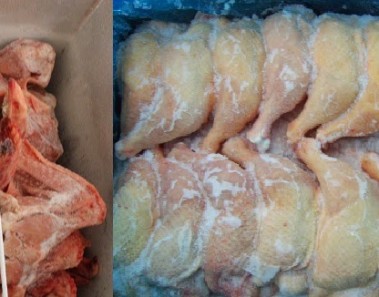
frozen chicken turkey

These diseases include cancer, kidney disease, and hypertension amongst others. He, therefore, warned Nigerians to stay away from imported frozen chicken and turkey because they have been discovered to be causative factors in these non-communicable diseases.

Dr. Paul Orhii said that these frozen products have been found to contain substances that can predispose one to kidney, liver and lung diseases as well as certain types of cancers and drug-resistant bacterial infections.

At the briefing, a study, titled “Prevalence, Quality and Acceptability of Frozen Poultry Meat in Major Cities in Nigeria” carried out by experts from the University of Ibadan titled “, was presented. It was made clear that importation of these products have been banned by the Federal Government, but some people still indulge in smuggling them into the country.

Dr. Orhii said that NAFDAC is discouraging people who patronize frozen meat such as Chicken and Turkey because they have been found to contain contaminants that are hazardous to human health. The contaminants can be formaldehyde, at times it can be a high level of antibiotics residue and other contaminants like heavy metals. “And that is why we are discouraging members of the public from consuming them.

The study, which Orhii referred to, was carried out by Prof. Olumide Tewe (lead researcher), Prof. S.S. Abiola (meat technologist), Dr. O.A Abu (nutritional enzymologist), Dr. C.I. Alarima (agriculture extensionist), Dr. O.A. Olabisi (public health specialist), Mr. S, Adelani (chief technologist) and Mr. R.A. Aromoye (administrative assistant).

Heavy metals (which have been found to be present in imported or smuggled meat) may cause toxicity-related mutagenesis (mutation), carcinogenesis (cancer) and other severe health hazards. Others (the result of heavy metals) are cardiovascular diseases, skin disorders, and neurotoxicity lung and nasal cancer in humans”. Excerpts: GuardianNGR

ALSO SEE: Top Reasons To Stop Buying Meat The Way We Do

Categories
Food & Body

These Health Benefits of Fasting Will Surprise You

As the Muslim world starts fasting yesterday, this article idea came to my mind. Many people go on special forms of diet in order to reduce weight; these diet plans sometimes include some form of fasting. Let me give you the simple definition of fasting before we go on with the topic of discussion today.

Fasting is primarily an act of willing abstinence or reduction from certain or all food, drink, or both, for a period of time. Many people fast  as a religious observance.

So, staying without food for some well-planned period of time (fasting) helps reduce weight. This should not come to you as a surprise because we all have, at one time noticed loss of weight in people who have just completed fasting. We even joked with people that did not show significant weight loss by questioning them if they truly took part in the fasting.

no to food - fasting

Surprising Revelations On How Fasting Improves Our Health

If you want to lose abdominal fat, get smarter and live longer, then you might want to embrace intermittent fasting . New research led by USC’s Valter Longo shows that periodically adopting a diet that mimics the effects of fasting may yield a wide range of health benefits.

Now, here are some surprising health benefits of fasting. You may not know a lot of them;

1. Fasting makes you live longer

Sounds funny right? One would wonder — how could deprivation of foods and drinks help someone live longer? Well, it is hard to believe but the lesser you eat, the longer you live. Some studies have been able to prove that diet of some people in some cultures helped them live longer. Their diet plan simply involved eating less, embracing some intermittent fasting and this we can do too.

You would recall that we talked about the factors that cause early aging and foods that help slow it down. When we age, the rate of metabolism in our body reduces and digestive system slows down in its activities too. The lesser we eat, the lesser load we put on the weak digestive system. Embracing some fasting will help give some rest to the digestive system.

Continue reading by clicking Pages 2 and 3 below…

Categories
Food Safety

How To Store Cut Yam So It Doesn’t Grow Moulds

A couple of FoodsNG’s readers have asked this question, but of course in different ways – “how do I properly store a cut yam?”, “how can I store yam after I cut it without spoiling?”. We are going to talk about this topic today in order to address their questions. Often we buy large tubers of Yam and need to only cook a small portion of it when we need to eat. So, what are you going to do with the remaining tuber? If you leave it that way, it grows mould and gets spoiled or turns brown and hard that you have to peel it off.

When the questions came, I though this should not be a problem for anyone because there is a way I saw mum do it while growing up and it worked every time. So, I took some time out and spoke to different people, asking them how they preserve their cut yam tuber. I got a lot of interesting answers and I will address the most shocking one first.

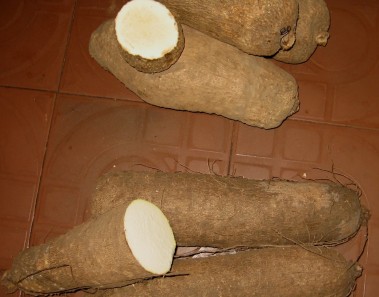
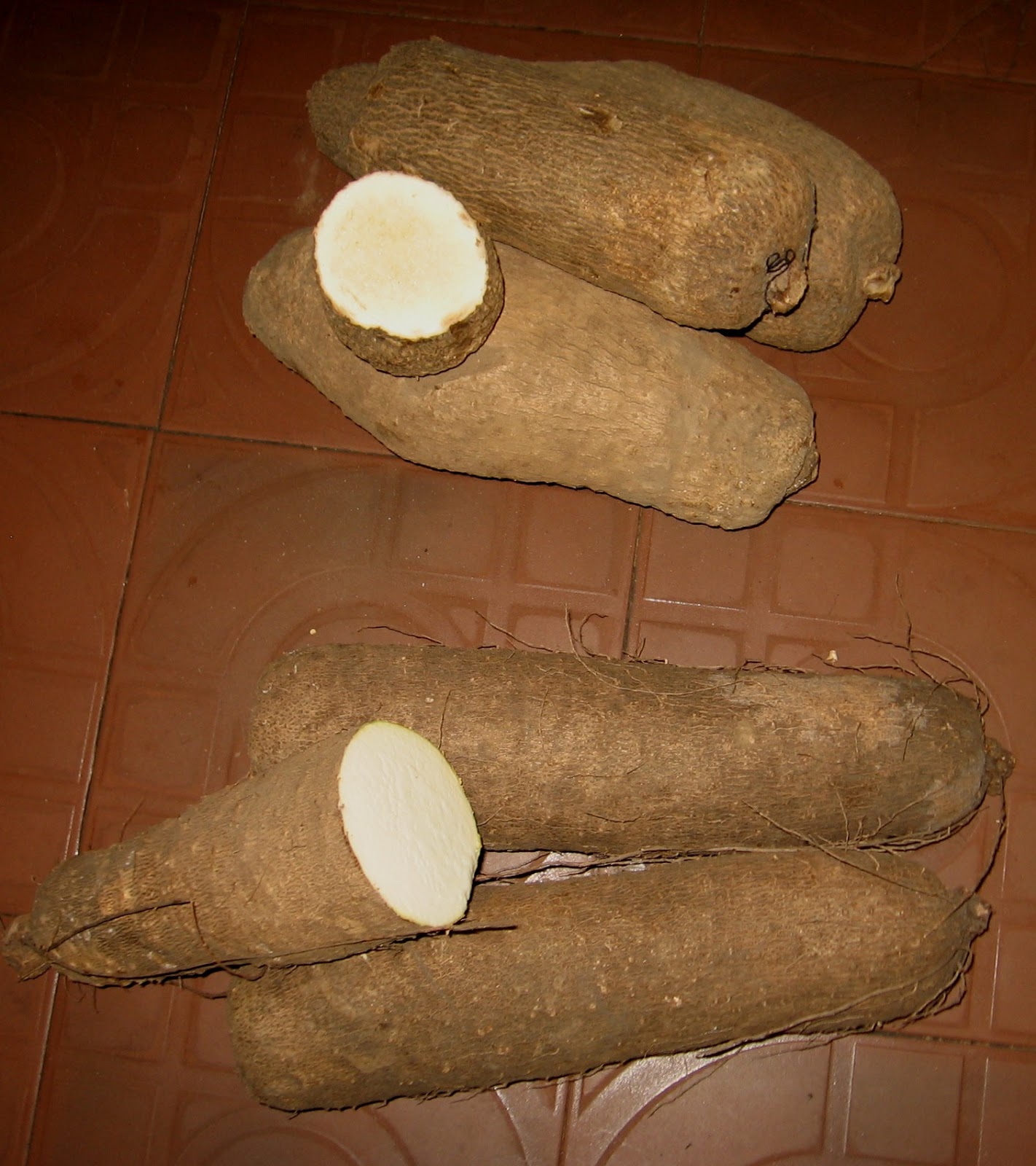
cut yam storage

Someone told me she just leaves the yam that way and cut off the spoiled part when next she needs to cook the yam. Well, I would say that is not proper and safe for the following reasons;

  1. Why waste that part of yam that you cut away? You could save that yam by preserving it properly.
  2. When your yam grows mould and you cut the contaminated part away, do you think the remaining part of the tuber is safe?

You know why this is wasteful and unsafe? Mould is a fungi and when they grow on foods, fungi break the food down and make us of it. They grow their HYPHAE (the part that looks like microscopic roots) into the dissolved food. So, when you cut off the mould growth on the surface, you could still have the hyphae left in the remaining yam. The root is as unsafe as dangerous as the growth, sometimes more dangerous. Don’t cause Food Poisoning for yourself.

NEXT [2] :: Tip For Preserving Cut Yam To Prevent Mould Growth…

Categories
Knowledgebase

Shocking & Fun Facts You Should Know About Milo (Drink)

Milo, produced by Nestlé, is a chocolate and malt powder which can be mixed with hot or cold water to produce a beverage drink that is consumed in many parts of the world. Milo is commonly as a powder in a green tin and sachets made of Polyethylene terephthalate, Aluminum foil, and Polyethylene laminated together. The packs often depict various sporting activities. Milo is available as a premixed beverage in some countries, and has been subsequently developed into a snack bar, chocolate cubes (choco milo) and breakfast cereals. Its composition and taste differ in some countries.

Some Shocking And Fun Facts About Beverage Drink, Milo

A lot of people consume this drink and don’t even know some facts they should know about what they are consuming. In this post, I am going to share with you some facts that may be shocking and other facts that are fun to know about Nestlé’s Milo.

1. Milo Was Developed In Australia, Not Switzerland

I thought there should be nothing surprising about this, but I found myself totally wrong when I asked so many people. A lot of people though Milo was developed in Switzerland, where the headquarters of Nestlé is located. No, Milo was originally developed by Thomas Mayne in Sydney, Australia in 1934.

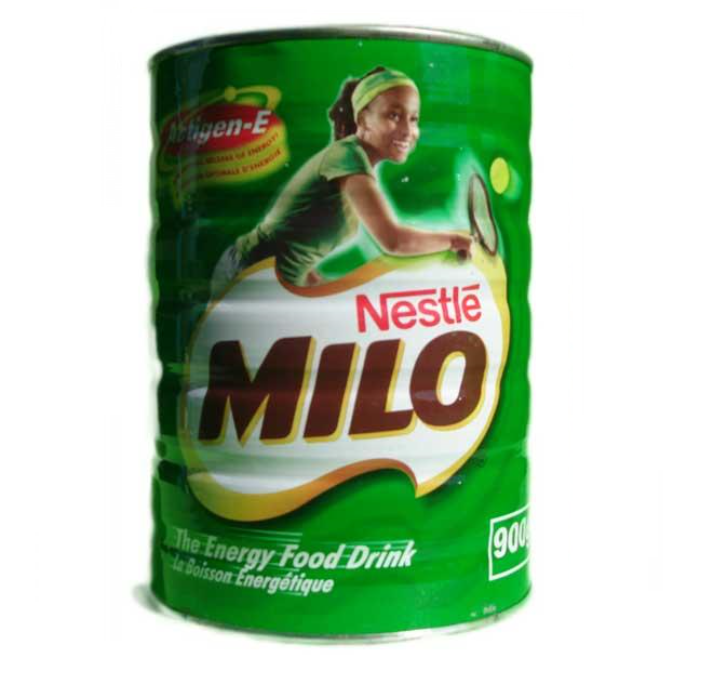
Nestle Milo Nigerian 900g

This is just by way of introducing Milo to you and letting you know its history. Other fun and shocking facts can be found on pages 2 – 10. Some will definitely make your jaw drop! I promise you. Just click on 2, 3, 4, 5 and so on below…

2. Not Everybody Can Drink Milo (Allergen Declaration)

The major ingredients Milo is made from are Cocoa, Milk, Malt and Sugar; it is there on the ingredients list on Milo sachets or cans. Malt is mostly made from Barley or Sorghum and these grains are known to contain Gluten, which some people are hypersensitive to. But is seems Nestlé may have found a way around their product such that it does not contain gluten. I am saying this because it is not declared on their package.

I have talked about allergies in one post, under which I mentioned gluten, eggs, milk, soy milk, etc., as allergens to some people. In another post, I mentioned that gluten-rich foods could contribute to abdominal bloating, causing stomach protrusion. Lactose-rich foods such as milk could contribute too, therefore, people that have lactose intolerance may be hypersensitive to Milo because it contains Milk.

milo ingredients and allergen declaration

Nestlé has done a good job by clearly stating the allergens that could be present in Milo as follows;

Contains milk and soya.

It is now left to you to develop the habit of reading food labels to find out all these things.

ALSO SEE: Allergens That Are Common In Foods We Eat (Opens in new Tab)

3. Milo contains more Malt than Cocoa by Weight

SURPRISED? I guess so! Many people have the impression that Milo is always referred to as a Cocoa beverage, therefore it should have more cocoa than any other ingredients in it. But from the labeling on cocoa cans and sachet, there is more malt by weight than cocoa inside.

You could say, “but their quantities/mass are not stated there…how did you know that?” Here it is, there are international standards for labeling food, which I am sure a company like Nestlé would comply with religiously. Below are the standards as stated by the Codex Alimentarius Commission (CAC);

4.2 LIST OF INGREDIENTS

4.2.1 Except for single ingredient foods, a list of ingredients shall be declared on the label.

4.2.1.1 The list of ingredients shall be headed or preceded by an appropriate title which consists of or includes the term ‘ingredient’.

4.2.1.2 All ingredients shall be listed in descending order of ingoing weight (m/m) at the time of the manufacture of the food.

What this means is that, under the ingredients list, the ingredients must be listed with the most massive one first, followed by the next one and so on to the least used ingredient. 

milo ingredients and allergen declaration

Did you read FACT Number 2 at all? It is just as surprising! It is implied on packs of Milo that not everybody can consume it for safety reasons? Want to know why? Then check number two!

4. The Name Is Pronounced As Spelt

Many people in this part of the world do not pronounce Milo the way it should be. The “i” should be pronounced as “ai” and not “i”. This will give us the sound /ˈmaɪloʊ/ instead of /ˈmɪloʊ/ that many people have been calling it. I hope people would be able to change that.

Many do not know they are not using the correct pronunciation while some others know but feel it is not worth it as it makes you look like a fool sometimes. Imagine walking into a grocery store where everyone calls it /ˈmɪloʊ/ and start asking for /ˈmaɪloʊ/, you would not only look wrong but also look like a fool when they try to ignorantly correct your “mistake” and laugh about it.

You can always make your point though, and let them know the right pronunciation but often, it usually falls on deaf ears, especially when everyone there are sure it is called /ˈmɪloʊ/. Although it is pronounced the right way in most parts of the world, the company looked like they have given up on this in countries like Nigeria as all their adverts call it /ˈmɪloʊ/.

Did you know you can get addicted to Milo?

5. You Can Get Addicted To Milo

Yes, it not only coffee one can get addicted to; you can get addicted to chocolate drinks such as Milo. This is not just about Milo but about foods containing cocoa, so don’t think I’m going to switch to Bournvita or something. In coffee, there is caffeine which causes the addiction to coffee, therefore if you buy any brand of coffee that has not being decaffeinated, you would still get that bad boy called caffeine in there.

Cocoa contains theobromine, a xanthine alkaloid similar to caffeine which is present in the cocoa used in the product; thus, like chocolate, it can become mildly addictive if consumed in quantities of more than 15 heaped teaspoons per day. This I guess is way too much for anyone to take in a day anyway.

milo drink

A research carried out in Nigeria to determine the caffeine and theobromine contents (mg/g) in samples of selected Nigerian beverage products found Milo and Bournvita to contain around the same theobromine. The beverages were cocoa (Milo, Bournvita, Rosevita and Enervita), coffee (Nescafe, Bongo, and Maxwell House decaffeinated) and tea (Lipton).

6. Milo Contains More Sugar Than Malt, Cocoa and Milk

Just as I explained before that the proportion by weight of ingredients in any food products are labelled in descending order – highest to lowest. This is the standards and that is what any reputable food manufacturer follows. If you take a quick look at any Milo can or sachet, you would see that sugar is listed first before milk solids (emulsifier: soya lecithin), malt extract (sorghum) then cocoa powder.

What is however not clear to many people that are aware of this fact is what they mean by sugar – is it just sucrose (the common sugar we use to sweeten food) or the total sugar that is present as a result of other ingredients. For example, milk contains a sugar that is called lactose and it is not sweet. There is also maltose from the Sorghum used to produce malt and this might have contributed to the total sugar.

Here is what Milo’s has to say about that;

Over half the TOTAL sugars in a glass of MILO® and trim milk, are natural sugars from lactose in milk.

There is less than 1 teaspoon of ADDED table sugar.

The remaining sugar naturally come from the milk powder and malted barley ingredients in MILO® powder.

milo sugar content pie chart

Findings have revealed that Milo made in Australia and New Zealand have Glycemic Indices (GI) similar to that of Coke. Surprised?

7. Milo’s Glycemic Index Is Same As Coke’s

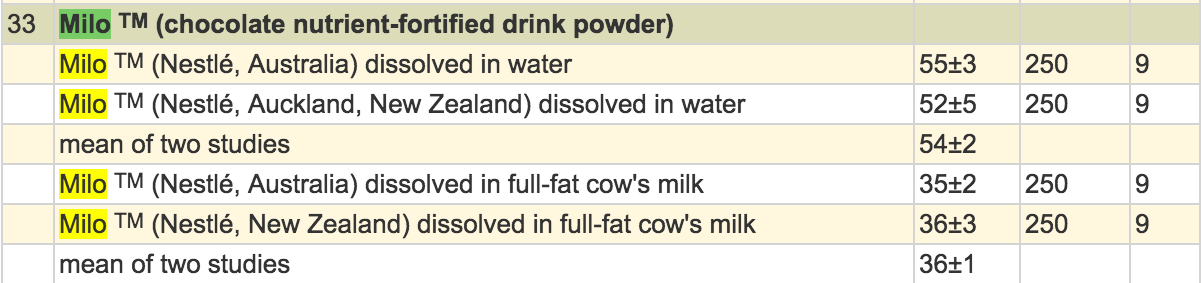
Findings in Australia and Switzerland have revealed that Milo dissolved in water has a glycemic index that is the same as Coke. Milo dissolved in water has a Glycemic Index (GI) of 55, the same as Coca-Cola but this can be brought down by using Milk instead of only water. What is Glycemic Index?

Milk has a much lower GI of 30 – 33, so mixing a very small amount of Milo into a mug of milk yields an overall GI closer to 33, and mixing a large amount of Milo into a mug of milk will give a GI closer to 55.

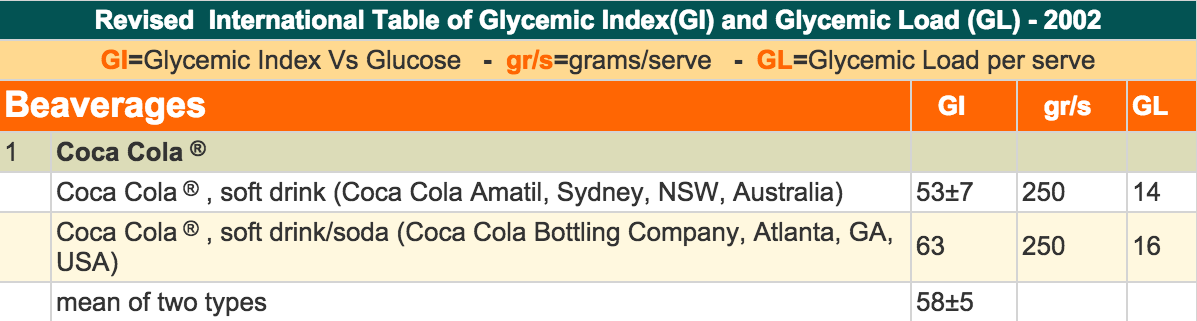
The International Table of Glycemic Index(GI) and Glycemic Load (GL) also listed them to have very close GIs. The following is what was listed for each of those samples;

Coca Cola ® , soft drink (Coca Cola Amatil, Sydney, NSW, Australia) has a glycemic index of 53±7 (250 g/serving) while Milo TM (Nestlé, Australia) dissolved in water has 55±3. Milo TM (Nestlé, Australia) dissolved in full-fat cow’s milk has a GI of 35±2.

glycemic index coke
glycemic index Milo

8. Malaysians Are The World’s Largest Consumers of Milo

Milo is very popular in Malaysia and Singapore. It is most popular in Malaysia where the brand name is synonymous with chocolate flavoured drinks, just like many people would refer to any noodle as Indomie here. Milo has a 90% market share in Malaysia and this is not the same as the often quoted 90% worldwide share of Milo consumption.

Milo is this popular in Malaysia because Milo was once used as a nutrient supplement when it was first introduced in the country, and has thus gained a reputation as a ‘must have’ drink for the old and the younger generations.

This post was compiled just to enlighten people on one of the foods that we consume, it is not an advertisement and it is not to critisize any product and make them look bad. In fact, many things shared here are pluses for Milo.

milo actigen-e

Finally, it is worth noting that the drink is high in calcium, iron and the vitamins B1, B2, B6, B12. Milo is advertised as containing “Actigen-E” – this is just Nestlé’s trademarked name for the vitamins in the Milo recipe.
Categories
Food & Nutrition

Food Causes, Symptoms & Tips For Treating A Bloated Stomach

I mentioned in a recent post that your protruded stomach or abdomen may not be as a result of too much fat — it could be due to bloating. I talked about how you can find out if what you have is a bloated stomach in that post too. You can still check it out by clicking the link above if you missed it then. What we will be discussing here are the food and other causes of bloating as well as the tips you can make use of to getting rid of a bloating.

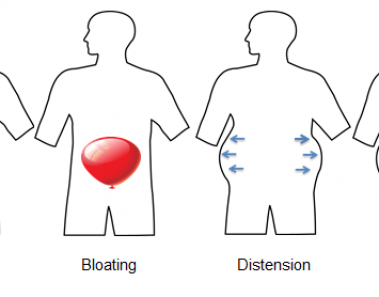
bloating and distention

What are the causes of Bloating?

Like I mentioned in the article that I linked to above, bloating could be caused by several factors and you may want to check with your doctor to find out what the cause really is. If it is not caused by a chronic heart or liver condition, it is probably due to the following factors;

  • Eating too fast
  • Using a straw to suck drinks which sucks in gas with it
  • Ovarian cancer
  • Weight gain
  • Overgrowth of bacteria in the small bowel
  • Menstruation
  • fluid in the abdominal cavity (ascites) as a result of cancer, liver disease, kidney failure, congestive heart failure, and other disorders

What are the foods that trigger bloating?

The Food Causes of Bloating Explained

Apart from the habits and medical conditions listed above, foods can also cause bloating – which ultimately can still be released to medical conditions.

For example, the consumption of carbonated drinks and food that is high in lactose by people who are lactose intolerant (e.g. Milk) can cause a bloated stomach to develop. Also, consumption of wheat gluten by people who cannot tolerate it causes it too. Foods that are rich in gluten include;

  • Foods made from Barley e.g. malt, malt drinks, malt flavoring and malt vinegar
  • Avoid foods made from wheat flour e.g. bread, cake, pasta, etc., unless they are made from corn, rice, soy or labeled Gluten-free.
  • Rye

What are the Symptoms?

The most prominent symptom is the feeling of fullness especially just after eating. It usually also come with distention where the stomach is visibly larger than normal. Other symptoms that may accompany it include;

  • abdominal pain
  • blood in the stools or dark tarry looking stools
  • diarrhea
  • worsening heartburn
  • vomiting
  • unexplained weight loss

Tips For Getting Rid Of A Bloated Stomach

If your bloating comes with any of the symptoms listed in bullets above, then you just have to see a medical doctor. Otherwise, adjusting your diet and eating habits can make your bloating go away over time. What you should do include;

  • Chewing gum can cause you to swallow extra air. Avoid it.
  • Reduce your intake of carbonated drinks.
  • Avoid “gassy” foods, such vegetables in the cabbage family, dried beans, and lentils.
  • Eat slowly.
  • Avoid sucking drinks with a straw.
  • Lose weight if you are overweight. You should check your BMI to know!
  • Use lactose-free dairy products, e.g. Yoghurt.

Now that you know what to do. It is time to get rid of that bloating.

Categories
Food & Body

List Of Foods That Help Prevent And Relieve Constipation

Earlier, I talked about the types of food that can cause constipation when coupled with some other unhealthy behaviors. If you have not read that post, it is still available via the link provided above. While writing that post, I anticipated that many would want to know how to quickly get through the episode of constipation in case they ever find themselves in one, so I added a text at the end of the article telling you I would write about it soon. Here it comes.

When we have constipation, there are foods that we can eat to help relieve the indigestion and there are foods we should totally avoid during that period. We are talking about the food to include in your diet to help you through constipation. Also, if you add these foods to your diet, you won’t even be worrying about reading this ever again because constipation would stay away from you.

Common Foods That Will Help You Relieve Constipation

If you are going through and episode of constipation, you would want to just leave it as an episode; you wouldn’t want it to become a series — episode after episode. When you have constipation, the best thing you can do is to drink water, exercise well and eat the listed foods as much as recommended. What you would basically be doing when you add these foods to your diet is increasing your fiber intake. The average adult needs between 25 and 38 grams of fiber a day to avoid constipation – this value is far less than most of us typically eat everyday.

1. Vegetables helps you with constipation

This is definitely top on my list. Vegetables are known to be very rich in fiber and that is why we have continued to talk about it more and more in articles here. We know the importance of vegetables (both cooked and eaten raw); this is why we have written an article to guide you on how to maximize the nutrients in them and another to guide you on how to cook vegetables such as spinach such that they do not lose all their nutritional values.

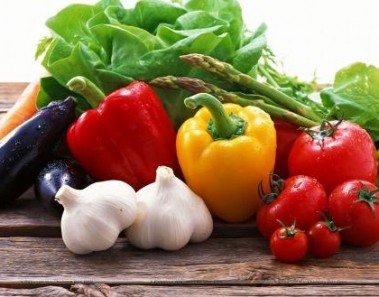
vegetables all

If you have constipation and are going to add fiber to your diet, you may want to do it gradually so that you don’t develop abdominal bloating and cramping. You don’t want to suddenly go from eating 10 grams of fiber to 25 in a day, increase the intake little by little.

Examples include Brussels sprouts, carrots, spinach and asparagus.

Click on 2, 3, 4 below to go to page 2, 3 and 4 of this article respectively…

Categories
News

Noodles Found To Be “Dangerous & Hazardous” Withdrawn From Market

Nestle’s Maggi Noodles has now been withdrawn by East Africa’s biggest supermarket chain from five different countries (Kenya, Uganda, Tanzania, Rwanda and South Sudan) after news of a partial ban on the product emerged from India. Regulators in India described the product as “unsafe and hazardous”.

Food regulators in India said that tests carried out on the Nestle’s Maggi noodles revealed high lead levels in the product, describing it as “unsafe and hazardous”. This led to a ban on the product in several states of the country.

Following public pressure, the Kenya Bureau of Standards (KEBS) has grudgingly acted on the lead-poisoned Nestle “Maggi” noodles and issues a verbal recall after which Nestle was asked to recall the product.

Although Nestle maintains that there is nothing wrong with the noodles, claiming to have tested a batch of 1,000 Maggi noodles in the country and found “lead levels… well within the limits specified by food regulations”, more supermarkets continue to withdraw the noodles.

The Consumer Federation of Kenya (Cofek) has also asked Kenya’s port authority to prevent further imports of the product.

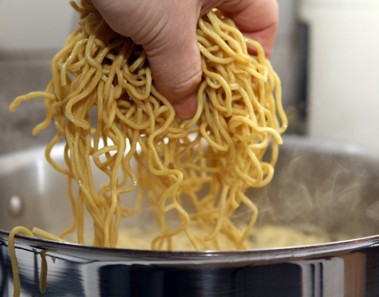
noodles cooking
Photo: davidlebovitz.com

Lessons to learn from this crisis;

Many company want to make profit at all cost but that is why we have regulatory and standards body to keep them in check. In Nigeria, NAFDAC is saddled with these responsibilities but I believe they are not doing enough in terms of inspection and frequent tests on food products available in the market. I’ve heard cases of companies sending samples that NAFDAC would analyze by themselves. This is not right, NAFDAC should go the factories and take part of the finished products that are going to the market for their analyses.

Being pro-active could have could have saved India of having products with lead in the market but they too have a lot of flaws in the system.

For example, Uttar Pradesh, where the crisis began, has a population the size of Brazil’s but the state’s Food and Drug Administration (FDA) has only five laboratories – or one per 40 million people. This is way way too few if they are serious about their responsibilities.

Lastly, I believe Government should do more in funding and appointments. When you want to appoint someone to head a parastatal that deals with food, don’t appoint a pharmacist, chemist or medical doctor. The same goes for every other parastatals too – appoint someone who is well-trained in that field with years of experience on the job.

Categories
Food & Body Food & Nutrition

Foods That Cause Constipation: Top Foods To Avoid

This could sound unbelievable but I have never had constipation more than once in my life. At least since I could tell my left hand from the right — it could have had it before then. Even though I have had it only once in my life, I know the pain that comes with constipation and some that may linger on for the rest of your life. For me, when I see or smell all the food I ate the day I had constipation, I feel like throwing up. That nauseating feeling just comes.

This is one of the reasons I don’t eat cracker biscuits and ojojo (fried balls made from grated yam) till today. Whenever I see them, the memory of that day just comes to my mind. I saw it yesterday and I though about writing this article.

constipation
Photo: damianmotlo.com

What Causes Constipation?

The common causes of constipation include a low fiber diet, not drinking enough water, or a lack of exercise. According to a spokesperson for the Academy of Nutrition and Dietetics and dietitian at Texas Children’s Hospital in Houston, Kristi King, RD, “Constipation is not usually caused by one or more foods on [its] own.” “It’s usually a combination of things.”

We have mentioned those other factors that could contribute to constipation, so, the rest of this post will only talk about food that contribute to constipation. Let’s go.

So What Foods Cause Constipation?

Basically, foods that are low in fibre content can contribute to the development of constipation. Fibre helps us digest our foods easily — one of the reasons vegetables are always emphasized in our diet. They are very rich in fibre.

When you indulge in unhealthy activities like not drinking enough water and not exercising too much, you cannot couple them with eating too much of these kind of foods (low fibre). Dairy products like cheese and milk can help develop constipation because of the high-fat and low-fibre content of many of these products.

Any cereal that is less than 1 g of fibre per serving, e.g. some cornflakes, puffed wheat, Rice Krispies could have really low fibre content. Making milk and accomplice could even make the matter worse. Other foods include white rice, plain white pasta, noodles and macaroni.

Please be informed again that these foods don’t cause constipation on their own — the other factors mentioned above coupled with these foods usually cause constipation. If you are not exercising well enough and still eat high fibre foods such as fruits and vegetables (such as spinach cooked the right way), constipation should not come near you.

NEXT: Foods That Can Help You Relieve Constipation Fast

Categories
Food & Body Knowledgebase

Thin People Could Be In More Danger Of Fat Than Fat People

You have heard about cardiovascular heart diseases and how fat people could be in danger of it and you just think, “I am not fat, so I have nothing to worry about”. Well, you may be right and you may be wrong. Thin people could be in danger of these diseases too — in fact, they could be in more danger of fat than people who are visibly fat. Yeah, mark the word “VISIBLY”.

I have explained in one of the posts published on this site that when we consume too much foods that are high in fat and carbohydrates, our body store the excess as fat. That is why we are always advised to minimize our consumption of foods that will make you fat (high calorie foods).

So, I Am Not Fat, How Could I Be In Danger of Fat-related Diseases?

I will try to explain this in simple and clear terms. Fats are being stored in different ways in our body and I mentioned this when I talked about some of the foods that cause fat belly and the common foods that can help fight fat belly. People with fat belly basically store most of their fats in tissues of their tummy. This is a fact that we are all familiar with.

visceralfat

The way our body store fat and the hence the type of fat we have in our bodies can be classified into two – cutaneous and visceral. The former, which involves storing fat under skin tissues is better in my opinion. This way, you can tell that you are getting too much fat and fight it head on.

The latter involves storing fat around organs including the vital ones like kidney, liver, heart, etc. This is what makes it dangerous because from outside, you are looking all slim and without much fat but the organs are suffering inside. You would agree with me now that cutaneous (skin) fat is better than visceral fat.

You should endeavour to always check your weight from time to time. With this you can always calculate your Body Mass Index to determine if you are underweight, overweight or even obese. You can use our free online BMI calculator to do that now (link opens in new tab).

If you find out that you are overweight, obese or very close to overweight, you should start watching what you eat and also start exercising. You could also consult a medical doctor or a nutritionist to advise you on further steps to take.

I hope this post brings it to the awareness of everyone that anyone could be in danger of diseases that are caused by fats and their compositions. I am going to write about the types of fats that are dangerous to us and the foods they can be found in. I will also take time to write about the diseases that are caused by these fats and their symptoms.

You don’t want to miss them, do you? If you don’t want to then subscribe to our updates free.

Categories
Food & Body

List Of Foods That Help Whiten Your Teeth Naturally

Unless you grew up with parents who took care of your teeth very well, taught you how to take care of your teeth and foods (and drinks) that cause damages to your teeth, you may have one or two problems with your teeth as you grow up. This may be occasional toothache, enamel erosion, decay and discoloration of the teeth.

Even if your parents took care of your teeth very well, as we age, our teeth tend to lose some of its whiteness and starting having discolouration. The once white teeth may now become slightly yellow due to foods that we have exposed it to. Several foods are very bad for the teeth and some of these foods go as far as wearing out the enamel of your teeth. This makes you feel some pain when you drink cold water or brush in the morning.

Let us leave that and go to the topic of the day. In as much as we have to avoid eating foods such as beverages like tea, dark sodas, and fruit juices that stain teeth to stop further discoloration, there are foods we should eat too to help us remove the stains already there naturally.

whitening teeth

Foods That Can Whiten Your Teeth For You – Home Remedy

1. Strawberries

Strawberries are red in color but they have a component that helps your teeth get whiter. This component is called Malic acid, it acts as a natural astringent to remove surface tooth discoloration. You may want to start eating more of this. Recall that we also told you that strawberries and sone foods together can serve as anti-aging foods too.

Some people even use this fruit by mashing it up and leaving on their teeth for 5 minutes before rinsing it away. This gives the teeth more exposure time to the malic acid but that means wasting the strawberry by not eating it.

Click 2 below to go to food number 2 that whitens your teeth…

Categories
Food & Body

Bloating: Your Pot Belly May Not Be From Fats

When many people develop protruded belly, they think they have accumulated a lot of fats in their tummy and start working out to burn the fats. Sometimes, they work out for months, eat low calorie foods and still find out that the belly is not going down. I have seen cases like this before and with what I found out, there are pot bellies that are caused by other factors other than eating too much calories and the resultant fat accumulation. I am going to share them with you now.

What causes Pot Belly other than fat?

Before you start treating yourself, placing yourself on diet and exercising, it is advisable to see a doctor to know what the cause of your pot belly is. I have seen people that are kind of underweight with pot bellies thinking they have fat belly. Yes, we store fat in different places in our body and a good way to find out if you have too much weight is to check your Body Mass Index. You can check it with few click on our website by going to this page (opens in new tab).

bloating and distention
Photo: iffgd.org

If you are overweight according to your BMI, you may want to start with burning some calories by exercising and avoiding foods that make you fat. Often, fats around the belly get burned faster than those in other places. If your belly however remains the same after seeing your BMI come to normal, then you may want to see your doctor to see if you have a bloated stomach or abdomen condition.

ALSO SEE: How Alcohol Causes Fat Belly [Must Read]

Okay! So, What is Abdominal Bloating?

Abdominal bloating is a condition in which the belly (abdomen) feels full and tight. Your belly may appear swollen (distended) and sometimes fell pains (some people don’t). Bloating is caused by a lot of factors that I cannot explain in this post. I am going to write an article on causes of abdominal bloating and how to treat it.

If your stomach bloating is not caused by medical conditions such as heart and liver disease, then it would be gas accumulation caused by any or a combination of the following factors;

  • Swallowing air, Constipation
  • Gastroesophageal reflux (GERD)
  • Irritable bowel syndrome
  • Lactose intolerance and problems digesting other foods
  • Overeating
  • Small bowel bacterial overgrowth

If you want to confirm you have a bloated abdomen, you have to see your doctor first. Don’t do a self-diagnosis or medication.

Another factor that can make your stomach get protruded is a lack of enough abdominal muscles. Out stomach has a tendency to expand when we eat, so if you do not have strong abdominal muscles, the stomach just push it out. People with this challenge would notice that they have flat tummy before eating and a round pot belly after eating. It goes down as your food digest.

Also, if you lie down with your back flat on the bed, you have a flat tummy but stand up, the round ball comes out. This can be devastating. In this case, you have to do three things exercise, keep exercising and don’t stop exercising. Do more of abdominal exercises.

Here are some recommended abdominal exercises you should be doing to get more muscles around there.

Categories
Food & Body

Foods You Should Avoid During Examination Period

I am writing about foods you should not eat during your examination period or when your examination is approaching because some curious readers of one of our sister websites, who are preparing for Post-UTME screening asked. They want to know if there are foods that can hinder their concentration, brain cognitive functions and exam performances.

I thought that their questions make sense because we know alcohol can damages brain cells, so it would be wise to stay away from alcohol and foods/drinks containing them during if you would like to make the best out of your brain.

Brain Foods: Foods That Boost Brain Power & Memory

Now, let us talk about those foods you should stay clear of when you are getting close to your exams. Some of them are even foods you should not indulge too much in because if a food affect brain functions, for example, avoiding it during exams would not undo the damages it had done before that time.

Below are some of the foods you should not consume or consume less just before and during your exams;

1. Alcohol of Foods Containing Alcohol

During your examination period, you should stay away from too much alcohol. It has negative effects on many organs in our body, even the brain. When your drink much alcohol and it gets to the brain, it disables function by damaging the connective tissue at the end of neurons, called dendrites.

We have billions of these dendrites in our brains and what they do is to conduct electrochemical stimulation from one cell to another cell body in in the brain.

no alcohol sign

With some of these dendrites damaged, there is the disruption of communication among neurons, it becomes difficult for cells to talk to one another and makes it harder for an individual to focus or complete minor tasks including reading and understanding. However, our bodies do a good job by repairing this if we stay off alcohol for some period afterwards.

Categories
Food & Body

Foods As Eczema Triggers – The Facts & Myths Explained

Eczema is a skin condition that causes itchy and swollen patches of the skin. It is also called atopic dermatitis and is treated with oral medications, creams and light therapy. I do not want to go into the details of telling you what eczema is if you don’t already know what it is, you would probably not be reading this. I would like to just go straight to the main discussion.

Do Foods Cause Eczema or It is Just A Myth?

I would answer yes in some cases and answer no in some cases, depending on who is asking me this question. Foods can lead to the onset of eczema in some children below the age of 4, but as they grow older eczema as a result of eating foods is very rare.

In adult, there is no scientific backing for claims that some foods cause eczema on the skin. I have not seen one, if you have come across one somewhere, I would be glad if you point me in that direction. I am not saying this could not happen, I know someone that gets eczema after a prolonged period of eating fish and milk. Whenever she stops, the eczema leaves but there is nothing yet implicating foods in the development of eczema.

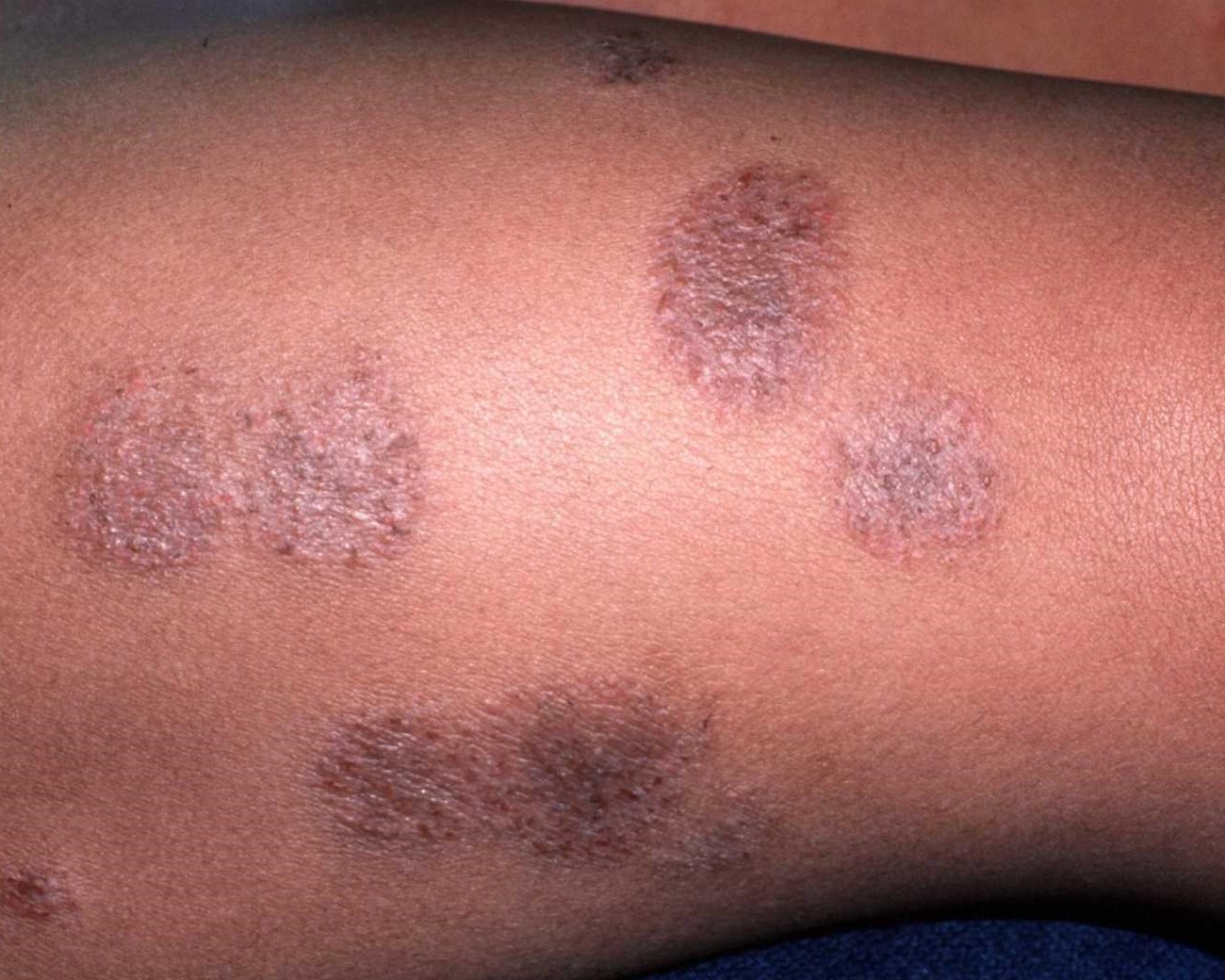
eczema

Maybe it’s just similar to what I explained under the foods that cause pimples/acne – it could just be a case of different foods for different folks.

“Don’t just take his word for it, after all, he just a Food Scientist/Technologist.” I know some people may think or say that but I am not alone on this.

Andrea Cambio MD, FAAD. Cambio is the medical director of Cambio Dermatology in southwest Florida said and I quote;

There is no science linking certain foods with flare-ups. But it can be an individual thing.

For example, if a patient reports eating chocolate makes her eczema worse, then I would advise her to cut down or eliminate chocolate from her diet.

So what are now the real cause of eczema?

Common Causes of Eczema:

Let me tell you that eczema is often caused by by a lot of external factors which also vary from person to person. Some people have noticed that they get eczema on their arms when they dip it inside water with detergent, some have reported toiletries and perfumes, too much heat and cold, dust and many more.

All you just need to do is be observant and see if any food or external factor causes eczema for you but the challenge is that, we expose ourselves to these these things in combination everyday, making it hard to separate their effects on our skin.

For example, the person that complained about milk and fish could eat both in a day, use toiletries, perfumes, get exposed to dust and detergent all in the same day. In this case, what are you going to blame for the eczema?

ALSO SEE: Foods That Keep Our Skin Young & Looking Fresh

Categories
Food Processing

[REVEALED] How You Slaughter Animals Makes Meats Tender or Tough

Did you know that the way you slaughter your animals contributes to how tough or tender the meat would end up? Did you also know that if you slaughter your animals the proper way, you end up with meat with good quality that lasts longer. Well, now you know.

There are other factors that contribute to the quality and toughness of meat – some of which are, the age of the animal before slaughter, how the carcass is handled after slaughter and the part of the animal the meat is cut from. Some parts have more specialized muscle because they were used very much more than others. I will talk about these in other posts.

Beef is the meat from Cattle, see names for goat, sheep, others

I am emphasizing on this slaughtering because, as consumers, it may be the only thing we could control; that is even if we buy the live animals to slaughter ourselves.

man eating tough meat
Photo: bootsnall.com

So, let’s explain what causes toughness of meat?

In this post, I am going to be showing to you, how the slaughtering method you adopt can affect the quality of your meat. I will try to put up an article on the proper methods of slaughtering that we should adopt very soon.

Firstly, stress before slaughter in particular causes meat to be tough. The best meat cuts on an animal can be made tough by stress, and an older animal can have relatively tender meat if it is docile, handled and slaughtered without it becoming stressed. If we could reduce the stress we subject the animals to during transportation yarding, handling and slaughtering, we will end up getting a meat that is not only tender, but also has a longer shelf life.

If we still remember our high school biology very well, we would recall that the energy required for muscle activity in live animal (including humans) is sourced from stored sugars (glycogen) in the muscle. In any healthy and animal that is not stressed, the glycogen content of the muscle is high because it was not used up. Animal that is stressed will require sugar for movement activities, using a lot of stored glycogen.

After the animal has been slaughtered, the glycogen in the muscle is converted into lactic acid, and the muscle and carcass becomes firm (rigor mortis). This lactic acid is necessary to produce meat, which is tasteful and tender, of good keeping quality and good colour. If the animal is stressed before and during slaughter, the glycogen is used up, and the lactic acid level that develops in the meat after slaughter is reduced. This meat is of inferior quality because it has less pronounced meat taste and dark in appearance.

This kind of meat is less acceptable to consumers and has a shorter shelf life due to the abnormally high pH-value of the meat (6.4-6.8).

To conclude, when next you want to slaughter any animal for whatever purpose (festivals, parties, etc.), make sure you rest the animal well enough and give it water to drink before you slaughter.

See why you should stop buying meat the way you presently do…

Categories
Food & Nutrition

Blood Food: Iron-rich Foods For Tiredness, Weakness, Irritations

The most common form of anaemia is the iron-deficiency anaemia. If you don’t know what that is, let me quickly define it. It is a decrease in the number of red blood cells caused by too little iron in your body. When we don’t have enough iron that is sufficient to produce enough haemoglobin, then there is a problem. From our high school Biology, we can recall that haemoglobin a substance in red blood cells that gives them the capacity to carry oxygen to the tissues in the body, including muscles and brain tissues. So, you see how important iron is.

Iron-rich foods can help combat this type of anaemia for us. Depletion of iron could occur for a number of reasons – In menstruating women, genitourinary blood loss often accounts for increased iron loss and hence requirements, blood donation results in the loss of 200 to 250 mg of iron.

List of Foods That Are Very Rich In Iron

How much iron the body needs daily depends on our age. Infants need more iron than adults, in general, because their bodies are growing at a more rapid rate. For children, boys and girls need the same amount of iron — 10 milligrams daily from ages 4 to 8, and 8 mg daily from ages 9 to 13.

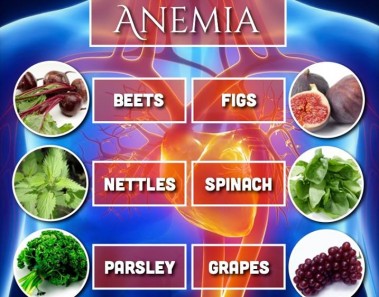
food for anaemia
Photo: heroic-health.com

For the purpose of this post, we are going to set the Daily value or minimum daily requirement at 18mg because this is the highest value for daily requirement for anyone. Oh, sorry I mentioned that women need more iron because they lose blood each month during their period. That’s why women from ages 19 to 50 need to get 18 mg of iron each on a daily basis, while men of the same age range can do with only 8 mg.

Below are list of foods that we should add to our diet to continue to sufficiently supply our body with the required amount of iron daily;

NEXT [2] :: Click Next for Food Number 1 That Boosts Blood…

Categories
Food Processing Knowledgebase

Should Rice Be Washed Before Cooking? The Myths & Truths

Many people have had this questions on their mind for a very long time. I have even seen some arguments about it among my male friends who try to know if it makes sense to wash or rinse rice before cooking. Those that wash rice prior to cooking try to explain that it is the right thing to do while those that don’t think it does not make sense but they have all been lazy to do a Google search on it at least to see what experts are saying. We are going to address this topic in this post today to make things clear to us.

So, Is It Necessary To Wash Rice Before You Cook It?

This is not a straightforward questions, so I would answer YES and NO. You ask why? Often, we only do things because that is the way it has always been done and do not bother to ask, “why?” Such is the case with the issue of rinsing of rice in water before we cook. Some people even soak or parboil the rice and change the water after some minutes of cooking – like we recommended you do with beans if you don’t want it to make you fart after eating.

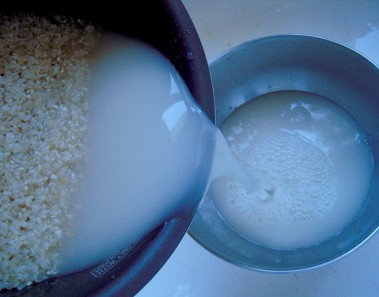
washing rice before cooking
Photo: blog.umamimart.com

To explain my YES to prior washing of rice...

Rinsing rice has been done for ages to rid the grains of surface starches, prevents clumping, and yields a clean, fresh taste. If you rinse rice very well, the cooked rice will have a reduced likelihood of clumping together because you have removed some of the total starch present (surface starch).

Some types of rice from some parts of the world are processed with talc -a mineral made up of hydrated magnesium silicate in order to give it a whiter and cleaner appearance. These types of rice need a rinse to remove this talc. Sometimes when rice has been packed and stored for long, you see some kind of dust on their surface when you take them out, washing will get rid of dusts like these and sometimes few weevils in the rice.

To explain my NO, which also answers “if you wash nutrients away when you wash rice”…see page 2 (click 2 below).